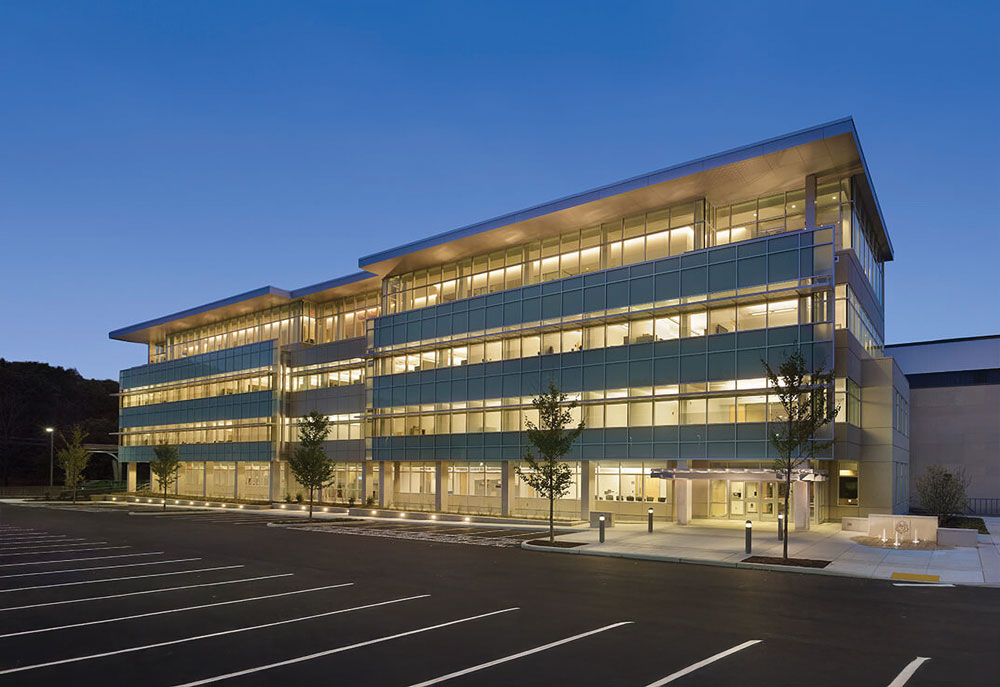
With 49 facility investments qualified for Site Selection’s Conway Projects Database, the Allentown-Bethlehem-Easton metro area of Pennsylvania — known to most as the Lehigh Valley and to many as the home of Bethlehem Steel, Crayola and Martin Guitars — is the No. 1 Tier-2 metro area for corporate facility projects in 2025.
Logistics is a big reason why. Just ask Andreas Podwojewski, managing director of North America and Brazil for Arvato, which operates a three-building complex in Easton.
“Lehigh Valley offers a very strong day-to-day operating environment, particularly for serving dense consumer markets along the East Coast,” he says. “Its proximity to major population centers, combined with reliable transportation infrastructure, allows us to support fast, predictable delivery for our clients. This is especially relevant for direct-to-consumer businesses that are focused on next-day shipping to New York City and other major urban areas on the East Coast. From an operational perspective, the region benefits from a skilled workforce with an experienced distribution and manufacturing environment, as well as constructive collaboration with local stakeholders.”
While the company’s distribution facility footprint is twice as big in Louisville, Kentucky, Podwojewski says the company’s three-building site in Easton “complements our Louisville operations by addressing different geographic and market needs and is a perfect example for how we build and develop region-specific strengths within a unified national network.”
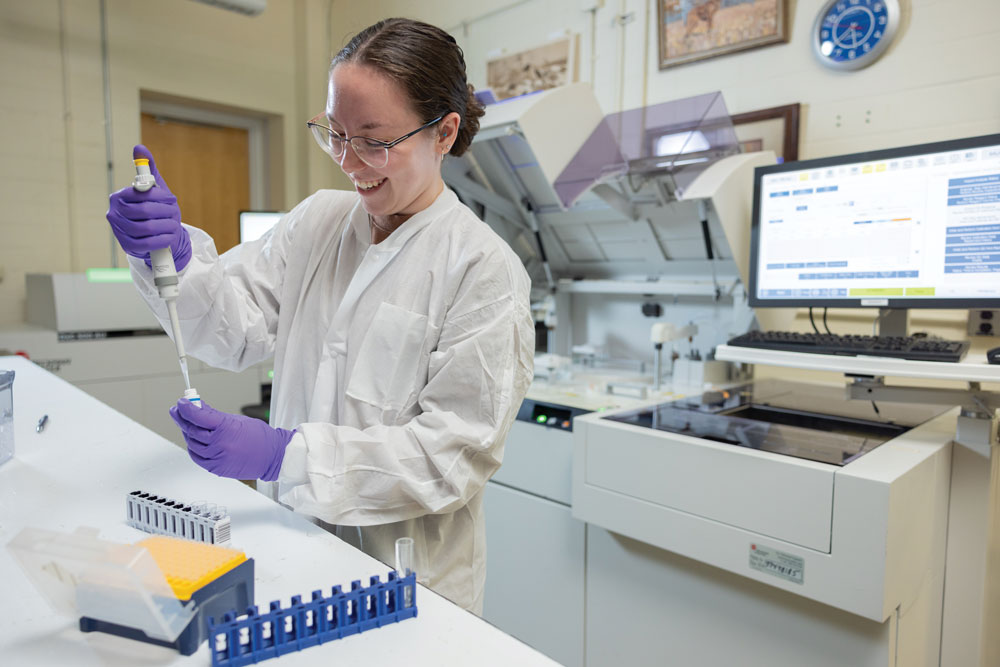
Photo courtesy of Ben Franklin Technology Partners of Northeastern Pennsylvania
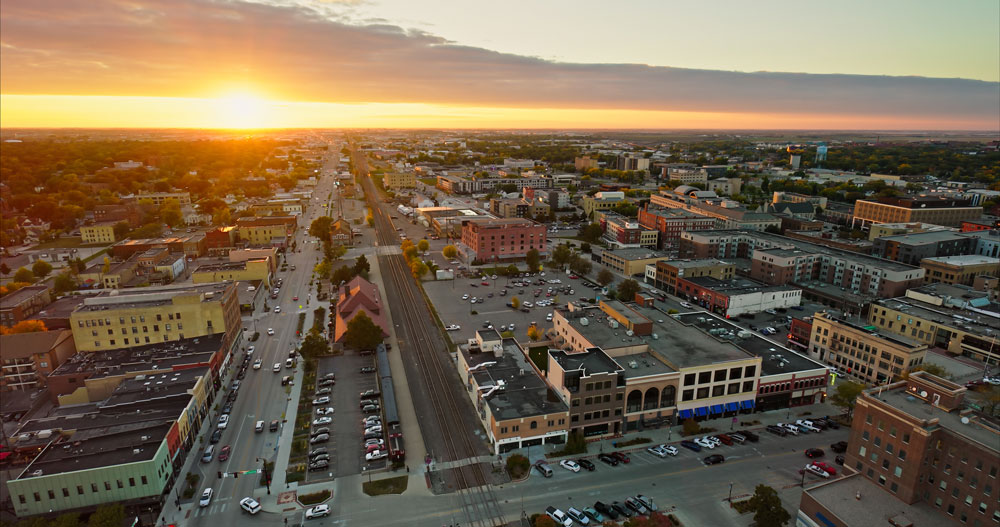
Fargo, North Dakota-Minnesota, tops Site Selection’s rankings of Top Metros by Projects Per Capita.
Photo by halbergman: Getty Images
Logistics, however, is not the only thing driving the Lehigh Valley to No. 1. There’s a little matter of a $3.5 billion project from Eli Lilly and Co. announced in December that will generate 850 direct, high-paying jobs and 2,000 construction jobs. (For more on how the final piece of Lilly’s four-site, $50 billion U.S. commitment was chosen, see the Northeast regional review in this issue).
That project, known by the code name “Project Kennedy,” only counts as one tally mark on the Top Metros scorecard, but it’s indicative of sectoral strength in life sciences, from Thermo Fisher Scientific and B. Braun to Ilico Genetics. B. Braun last September announced its own expansion. Germany’s Gesellschaft für Micronisierung mbH (GfM), which specializes in micronization of pharmaceutical, food, nutritional and cosmetic ingredients, is establishing its HQ in the region, bringing up to 100 jobs. All told, the Lehigh Valley is home to more than 170 life sciences businesses that employ more than 6,000 people.
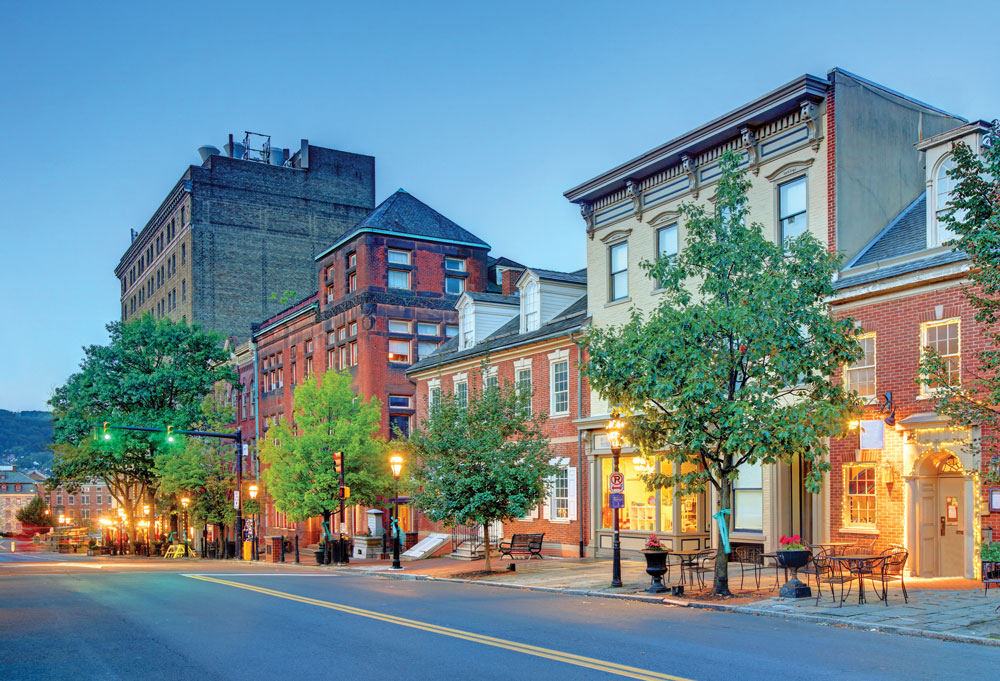
Bethlehem, Pennsylvania
Photo: Getty Images
“We’re only the third largest market in Pennsylvania, after Philly and Pittsburgh,” Lehigh Valley Economic Development Corporation President and CEO Don Cunningham told Site Selection’s Alexis Elmore, “but we’ve had this long history of being a manufacturing center here on the East Coast, an hour and 15 minutes out of New York, and an hour above Philadelphia.” A key aspect of that location? It means 1.8 million people within a 60-minute drive time radius. And many of those folks will be willing to make the drive for what Eli Lilly and Co. CEO David Ricks said would be an average salary of around $100,000. That will make Lilly an employer of choice, Cunningham points out, able to not only attract workforce from the Philadelphia suburbs and New Jersey, but also perhaps retain some of the resident life sciences talent currently commuting to those other jurisdictions.
“From an operational perspective, the region benefits from a skilled workforce with an experienced distribution and manufacturing environment, as well as constructive collaboration with local stakeholders.”
— Andreas Podwojewski, Managing Director of North America and Brazil for Arvato, on the Lehigh Valley business climate
Big Movers
The other jurisdictions at the top of the Tier 2 Top Metros rankings have commuted in some cases from their own long distance away. Metro Des Moines-West Des Moines, Iowa, shot up from outside the top 10 to No. 2, while Wichita, Kansas, moves up from a tie for No. 9 last year to No. 3.
The other two metros tied for No. 9 last year have made their own moves: Lexington-Fayette, Kentucky, shot up to a tie for fourth alongside last year’s No. 1 Dayton-Kettering-Beavercreek, Ohio, while another Pennsylvania metro, Scranton-Wilkes-Barre, moves up to No. 6.
On the per-capita side of the ledger, the upshots grab the spotlight: Six of the top 10 did not make the top 10 last year, beginning with No. 1 Fargo, North Dakota-Minnesota, part of the overall rocket to the top by per-capita Governor’s Cup winner North Dakota. However, stalwarts are stalwart for a reason: Auburn-Opelika, Alabama, repeats its second-place performance and last year’s No. 1 Sioux Falls, South Dakota-Minnesota, comes in a respectable third.
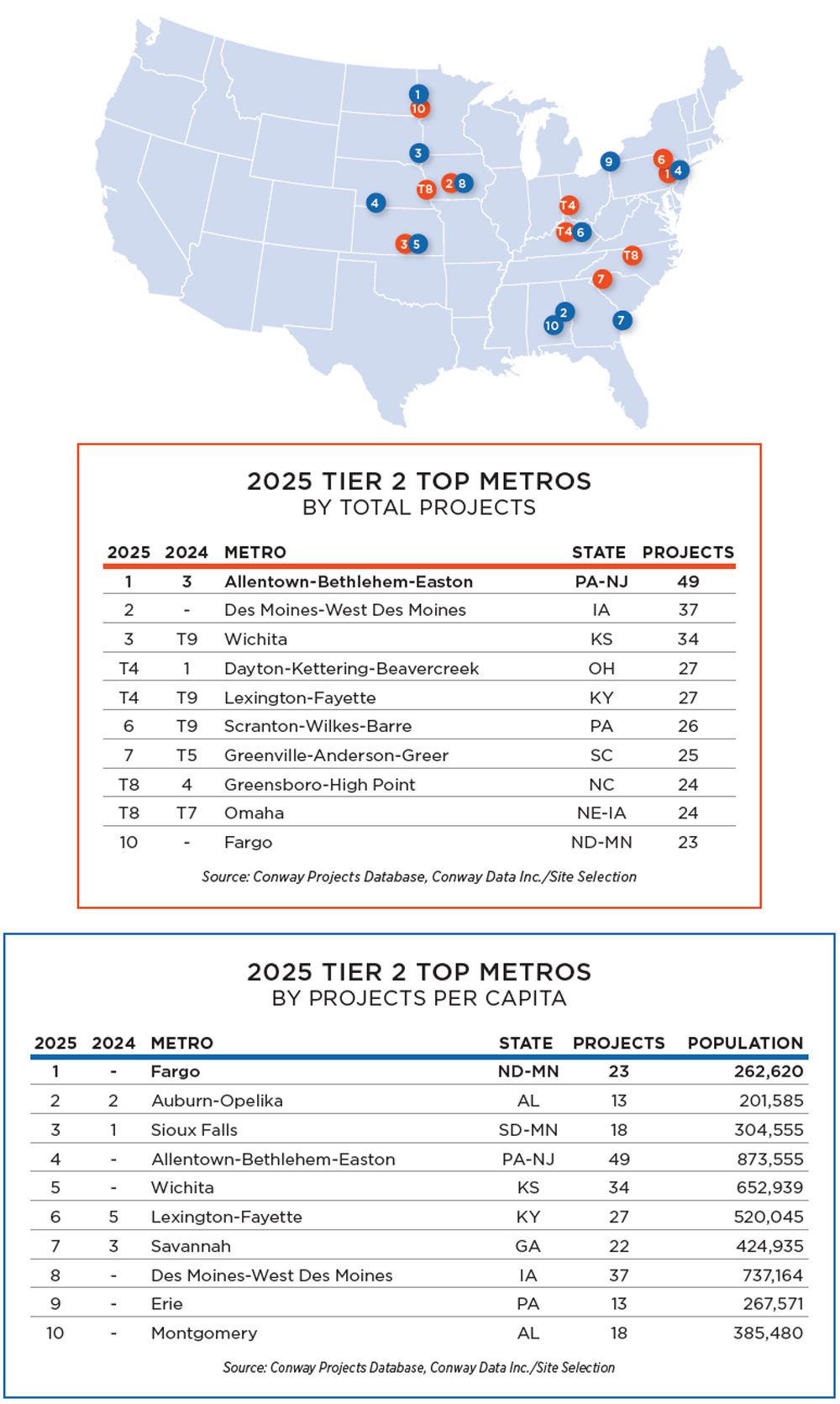
As with the Tier 1 Top Metros, it can be instructive to compare Site Selection’s rankings by employer facility project count to the recently released list of Best-Performing Cities from Milken Institute, whose criteria focus on a range of factors and whose findings are presented in two separate lists of large cities and small cities. Among the noteworthy findings:
- Milken’s No. 10 small city — Auburn-Opelika — is the only city among the top 10 to also appear in Site Selection’s top 10.
- Milken’s sub-indices show that, from 2019 to 2024, Fargo ranked first for small metros in average annual wage growth (39.02%).
- Greenville-Anderson-Greer, South Carolina, No. 7 overall in Tier 2, is ranked No. 15 on Milken’s national rankings of small cities.
Also notable from a metro size perspective: Of the approximately 3,100 projects to land in any of this year’s Top Metros across all population tiers, three of the largest by capital investment were in ranked Tier 2 regions. No. 8 Greensboro-High Point North Carolina, is welcoming a $4.7 billion, 14,500-job project from JetZero. Fargo is where Applied Digital is investing $3 billion in a data center complex. And Scranton-Wilkes-Barre will soon be home to a massive new data center from Amazon Web Services.
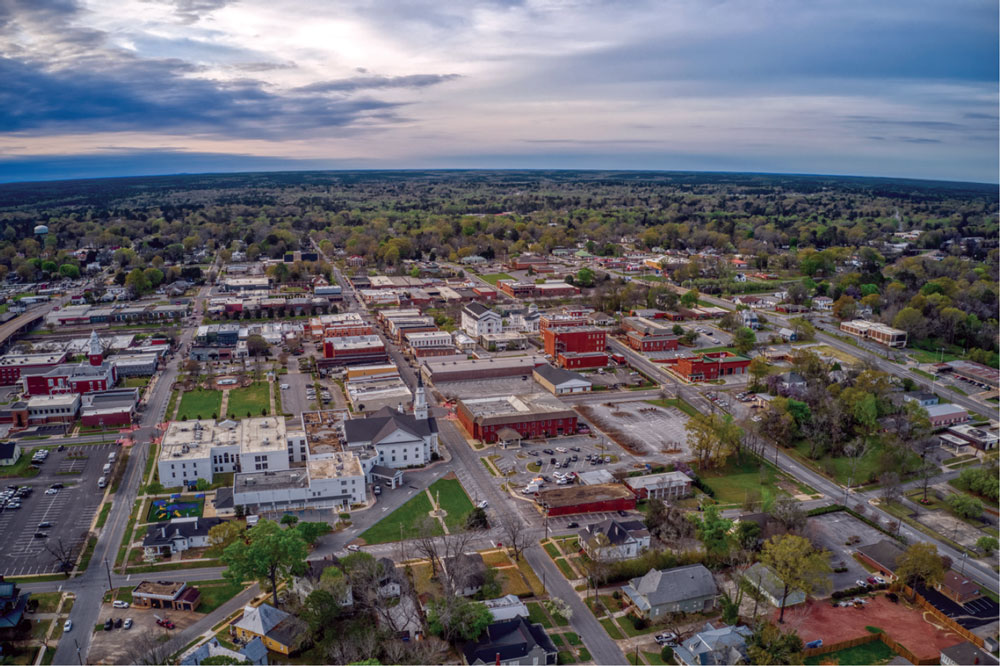
Opelika, Alabama
Photo: Getty Images