

By Chris Lloyd and Larry Gigerich
Earlier this week, the Indianapolis City Council gave final approval for a $500 million data center project in the historic neighborhood of Martindale-Brightwood, founded in the 19th century around the railroad industry. City Councilman Ron Gibson’s support for the project is thought to be what prompted an unknown assailant to fire shots into his home. Reflecting the general ambivalence about data center investments, at the same meeting at which the project was approved a non-binding resolution was passed calling on the Metropolitan Development Commission to implement a temporary stay on approvals for high-impact data centers. — Ed.
There is no excuse for violence against public servants. As citizens, we need to ask better questions, exchange information respectfully and invite solutions.
Thirteen shots were fired at the home of Indianapolis city councilman Ron Gibson, and the shooter left a note that read “No Data Centers.” It’s the latest example of escalating violence tied to economic development debates.
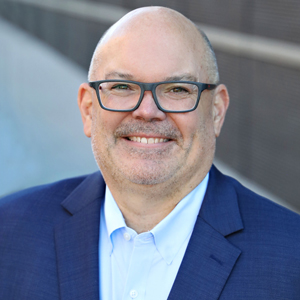
Larry Gigerich, chair of the Site Selectors Guild, is founder of Ginovus, based in Indianapolis.
Violence over data centers, or anything else for that matter, is not acceptable. We need to draw a clear line: Disagreements over policy issues are often a part of democracy; intimidation and violence are not.
We write this as both citizens and as the chair and vice chair of the Site Selectors Guild. As professional site selection consultants, we help identify locations for companies that result in the creation of jobs and grow the tax base that helps fund schools, public safety, infrastructure and other essential services. At the same time, we also strongly believe that not every project is the right fit for every community, and not every project should move forward in a location where alignment does not exist.
If we want a better conversation, we can’t just call for it; we have to model it. That starts with how we engage in this moment and extends to how we communicate expectations before these debates ever begin.
In the immediate term, let’s replace absolute, inflammatory declarations with a greater sense of curiosity. Instead of declaring, “This will ruin our community,” ask: “What are the actual impacts? What trade-offs are being considered? What safeguards are in place to protect our community?” To do this, citizens on both sides of an issue need to seek reliable information sources, attend public meetings and engage directly with leaders.
After that engagement, if there are still concerns, look for ways that invite solutions. If you’re worried about infrastructure, environmental impact or quality of life, pair that concern with a constructive ask: “What would mitigation look like? How can this be improved?”
The communities that get the best outcomes aren’t the loudest and combative; they’re the ones that engage in collaborative and civil conversations.
Focus on accountability over absolutism. Progress comes from pushing for transparency, measurable commitments and follow-through versus defaulting to assumptions and hearsay.
Finding Alignment — Or Not
Perhaps the greatest, and most important ask, is to remain open to changing your mind. That applies to everyone, supporters and opponents alike. Indeed, in some cases, the right outcome is not approval, but a shared decision that a project isn’t the right fit and the willingness to accept that and move forward with respect.
The longer-term solution is to reduce these conflicts before they start by carrying this same discipline upstream: asking better questions earlier, inviting solutions sooner and aligning expectations before a project ever reaches the public stage. Companies understand what they need for operational efficiency; communities understand what they need for long-term prosperity.
Communities can reduce conflict by doing more of this work up front — aligning on what kinds of growth they want and under what conditions and then building public consensus around the best path forward. As site selection consultants, we’re listening. We want to understand where communities see the best fit, so we can guide our clients to the locations that align based on key considerations. When those expectations are shared clearly early in the process, it reduces friction, builds trust and helps match the right projects with the right places.
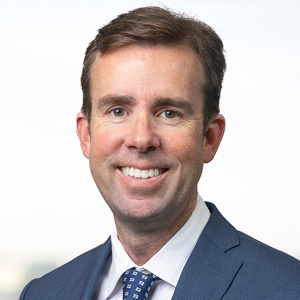
Chris Lloyd, vice chair of the Site Selectors Guild, is senior vice president and director of the Infrastructure and Economic Development practice at McGuireWoods Consulting, LLC, based in Richmond, Virginia.
We don’t need less passion; we only need more discipline in how we channel it. The future of our communities will be shaped not just by the projects we debate, but by how we engage with one another in a civil manner.
The intensity of today’s pushback reflects something important: People care. They want a say in what happens where they live. But impact isn’t measured by how loudly we express our views. It’s measured by how effectively we help make our shared futures better.
Chris Lloyd and Larry Gigerich are board members of the Site Selectors Guild, the largest global association of site selection consultants who are on the front lines of corporate location strategy.