
At 250 years and counting, America’s top counties are winning projects with energy, talent and momentum.
In 1826, New York native John Richardson Harris laid out the town of Harrisburg along Buffalo Bayou and Brays Bayou near the Texas Gulf Coast. He built the area’s first steam-powered sawmill and opened a general store.
If Harris could come back today — 200 years later — and see what his original patch of 4,428 acres turned into, he’d be impressed. What he’d see is America’s third-most-populous county, now called Harris County, Texas, which has swelled to just over 5 million people. Its county seat, Houston, has 2.4 million residents and anchors a metro area of 7.8 million.
And those two small businesses he launched — the sawmill and general store — formed the basis of a local economy that two centuries later has become the greatest economic engine of any county in the U.S., or what Site Selection calls America’s Best County.
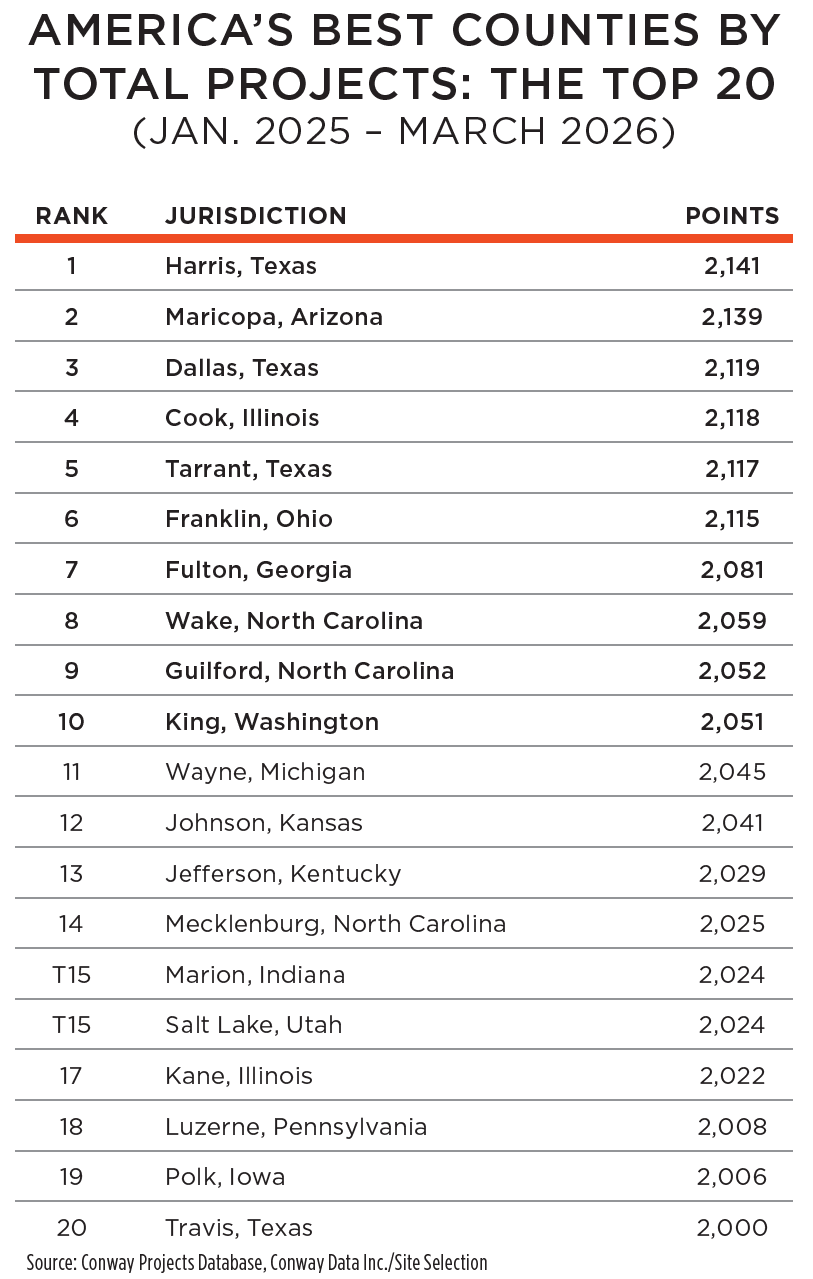
According to a Conway Projects Database analysis of total corporate facility projects, capital investment and jobs created from those projects between January 2025 and March 2026, Harris County ranks No. 1 among all 3,144 U.S. counties or parishes in economic development performance; and the gap between first and second place isn’t close.

Fleet Week is a big deal in Harris County, Texas.
Photo courtesy of Greater Houston Partnership
Just how dominant is Harris County? With 477 corporate facility investment deals since the beginning of last year, Harris easily outdistances Cook County’s 326 in Illinois and Dallas County’s 191 in North Texas. In capital investment, there’s Harris County, with $11.482 billion, and then there’s everyone else. Its closest competitor in the top 20 ranking of America’s Best Counties is Franklin County, Ohio, at $6.22 billion.
The top five counties in the overall ranking after Harris are Maricopa County, Arizona (Phoenix); Dallas County, Texas (Dallas); Cook County, Illinois (Chicago); Tarrant County, Texas (Fort Worth); and Franklin County, Ohio (Columbus).
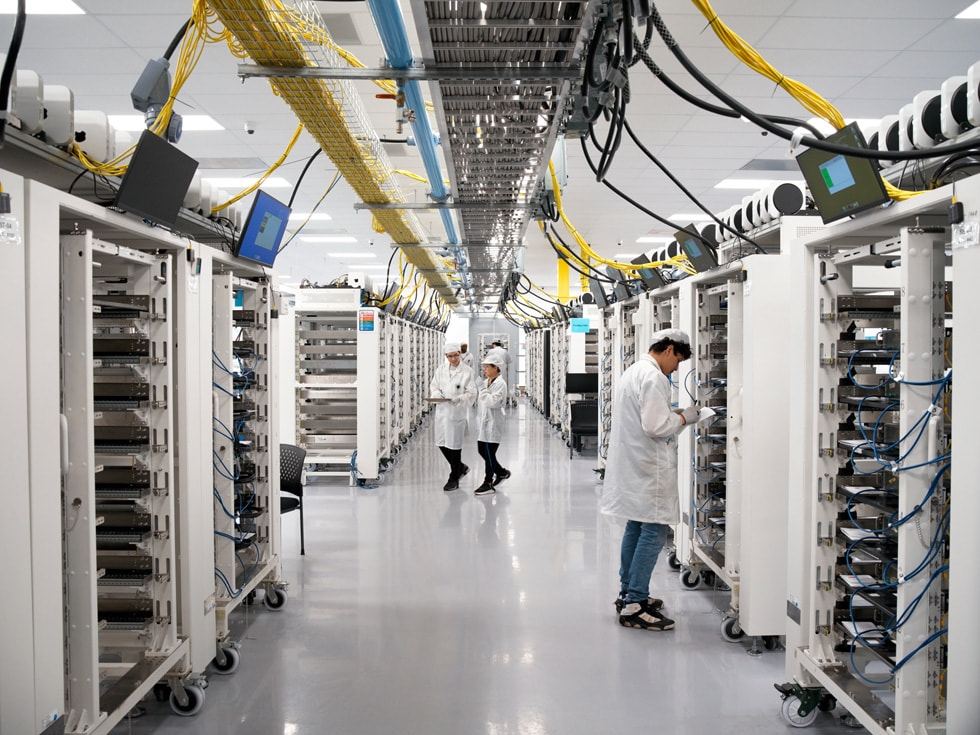
In Houston, workers assemble advanced AI servers, including logic boards made onsite, which are then used in Apple data centers in the U.S.
Photo courtesy of Apple
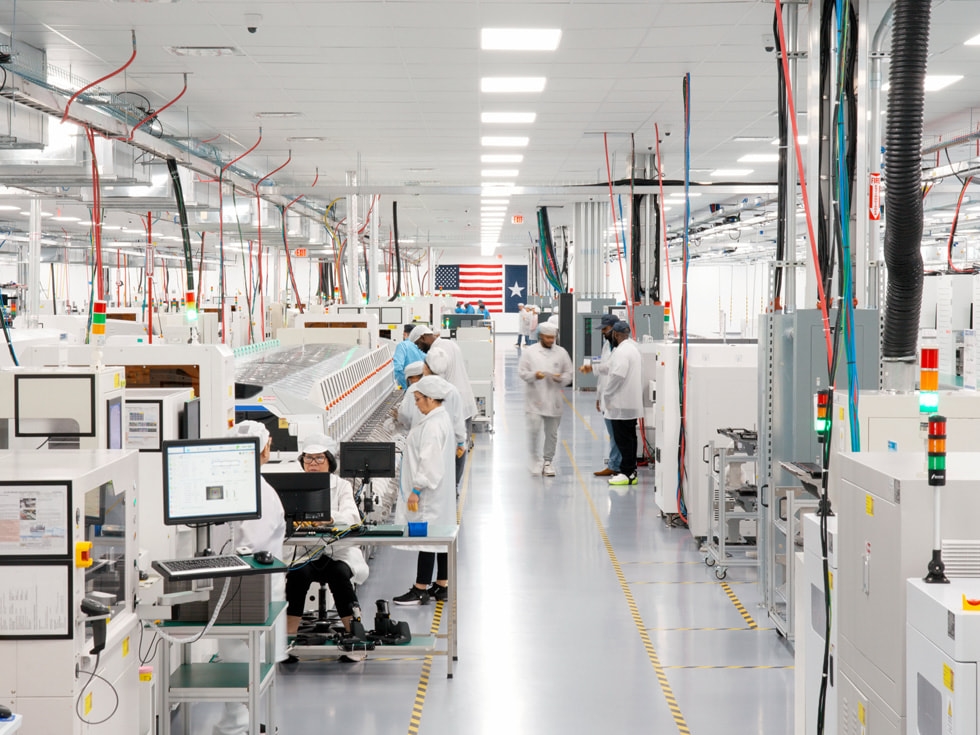
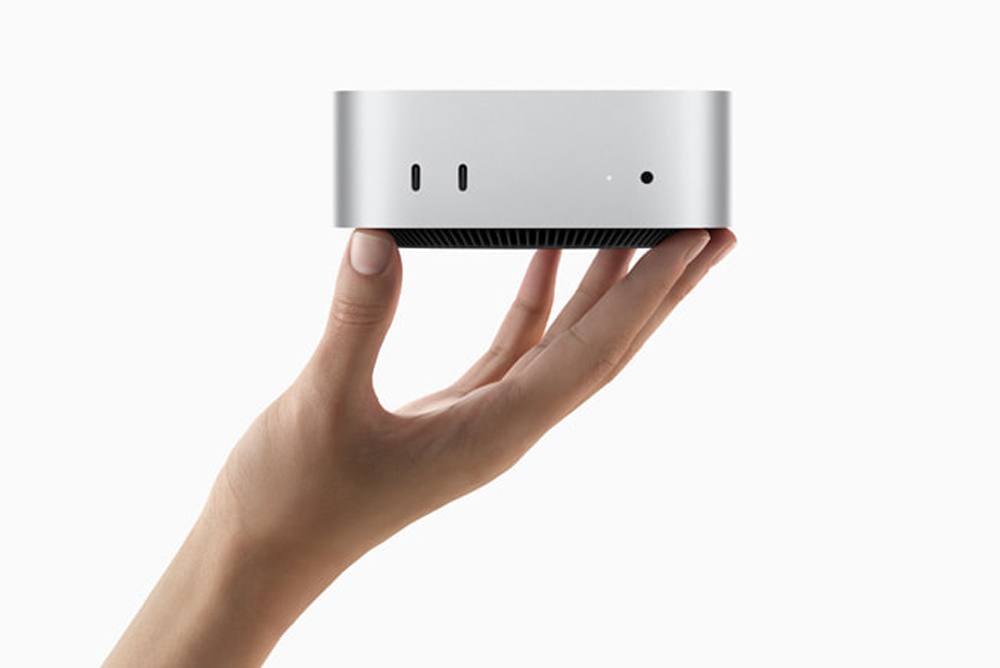
Apple’s 20,000-sq.-ft. Advanced Manufacturing Center opens this year in Houston to train students, supplier employees and businesses of all sizes. The Mac Mini is now made in Houston.
Photos courtesy of Apple
When I interviewed Craig Rhodes, senior vice president of economic development for the Greater Houston Partnership, he made it clear that Harris County’s resounding win was a team effort.
“This is the result of the county and its cities coming together to support quality economic development,” says Rhodes. “Houston, Clear Lake, Katy, Spring, Cypress and North Houston all played a role. So did The Woodlands, Pasadena, Pearland, Baytown, Humble, League City and Missouri City.” Add in Deer Park, Galena Park and La Porte and you have the makings of an economic juggernaut, which goes a long way toward explaining why the Greater Houston Partnership in this same issue has earned a Mac Conway Award as a top U.S. regional economic development group (see p. 38).
Harris: A Perennial Top 2 County
“Our organization covers the entire 12-country metro area, but there is no doubt that Houston and Harris County anchor this region,” says Rhodes. “Many factors contribute to this performance, which has been consistently strong over the years.”
Site Selection launched America’s Best Counties in 2023. In each of the four years of this ranking, Harris has finished either first or second in the country. This is a level of domination that few places in the country even remotely approach.
“The top factors are that we still have real estate opportunities available in industrial space, greenfield site development and class A office space; our talent and workforce volume across a multitude of industry sectors; and the speed to market that can be achieved because of our unmatched infrastructure including roads, highways, power grid and all of the electric infrastructure of CenterPoint Energy Inc. in Houston,” says Rhodes.
“This is the first large-scale pharmaceutical manufacturing project to locate anywhere in Texas, and it is being built in Harris County,” says Rhodes about Eli Lilly’s $6.5 billion investment to building a 1-million-sq.-ft. drug factory in Generation Park in Houston. “The Texas Medical Center in Houston also continues to grow and add to the impact of our life sciences sector.”
Known worldwide as America’s hub for oil and gas, Houston is adding prowess in solar power, battery production, geothermal energy and hydrogen, says Rhodes, adding that advanced manufacturing is getting a boost from the new Apple-Foxconn partnership in Houston. Apple and its factory partner, Foxconn, are building a $225 million, 250,000-sq.-ft. complex to produce the Mac Mini and AI servers.
Rhodes adds that Houston retains its supremacy in space. “We’re still known as Space City for a reason,” he says. “The entire world watched a few weeks ago as the Artemis II mission to the moon was run from Johnson Space Center in Houston.”
When I spoke with Rhodes in May, he noted that Greater Houston had landed 84 new corporate real estate projects already in 2026. “That’s very competitive with what we’ve done the last few years,” he says. “About half of those are in manufacturing. The other half are in energy, aerospace, life sciences, digital technology and headquarters. We’re seeing strong activity in 2026.”
That theme is repeated often around the Sunbelt. In January 2026, the site consultants that we surveyed nationwide told us that their favorite business locations are in the Sunbelt. Ten of the top 20 counties in the overall performance category are based in Sunbelt states. Texas leads with four counties — Harris, Dallas, Tarrant and Travis — while North Carolina boasts three: Wake, Guilford and Mecklenburg.
Another strong performer is the Midwest, which produced seven of the top 20 counties in the nation, including two in Illinois (Cook and Kane), and one each in Ohio (Franklin), Michigan (Wayne), Kansas (Johnson), Indiana (Marion) and Iowa (Polk).

“We’re still known as Space City for a reason. The entire world watched a few weeks ago as the Artemis II mission to the moon was run from Johnson Space Center in Houston.”
— Craig Rhodes, SVP, Greater Houston Partnership
The Top Per Capita Performers
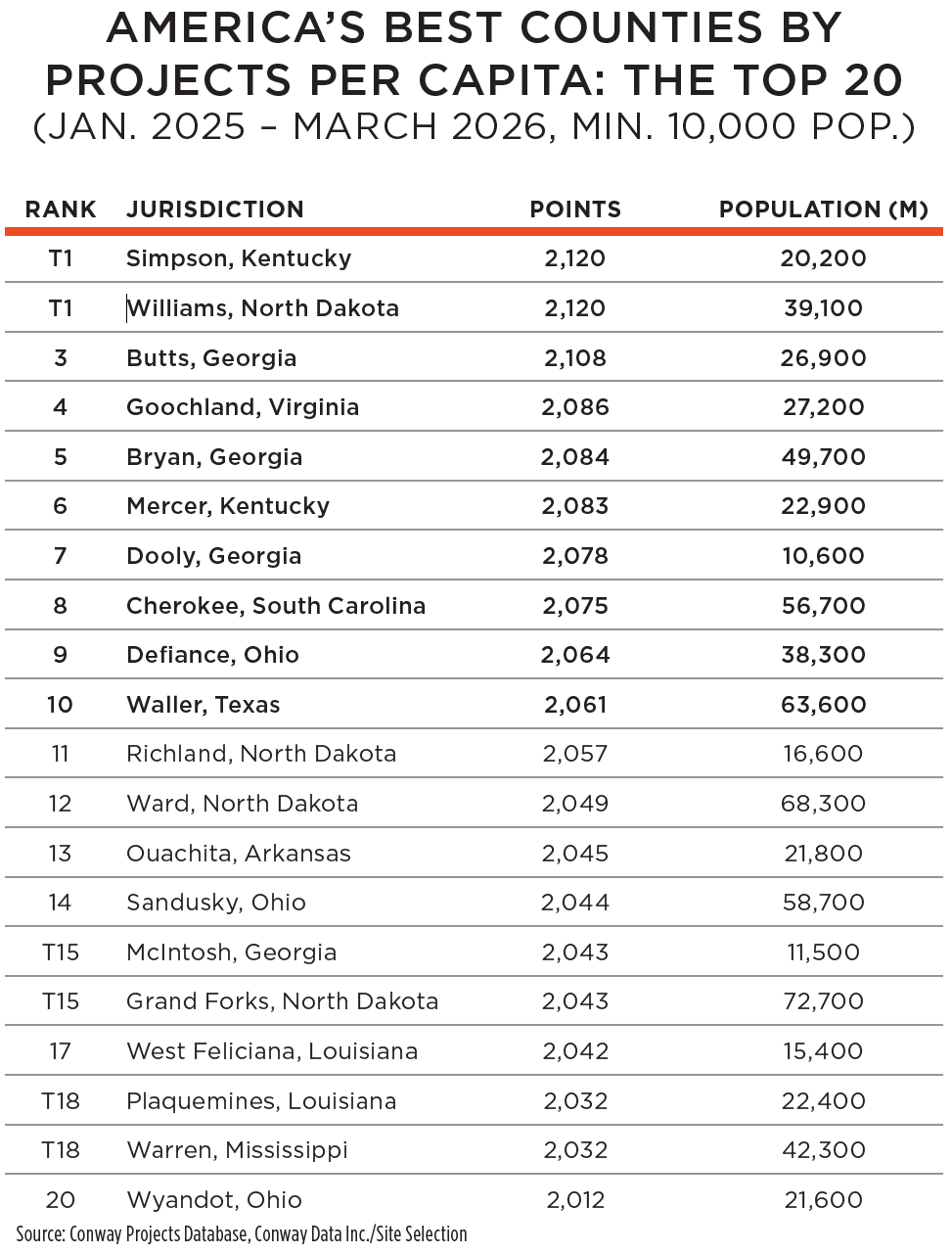
In the per capita rankings, which take into account county performance relative to population, the top five performers are familiar names, led by a two-way tie for first between Williams County, North Dakota, and Simpson County, Kentucky. The next three are Butts County, Georgia; Goochland County, Virginia; and Bryan County, Georgia. Three states dominate the per capita rankings: Georgia and North Dakota each place four counties in the top 20. Ohio has three. Kentucky, Louisiana and Mississippi have two each.
No. 1-ranked Williams County in northwestern North Dakota is no stranger to our readers. As the anchor county of the Williston micropolitan area, Williams County’s performance factored heavily into Williston ranking No. 1 in Site Selection’s annual ranking of the country’s top micropolitan areas in March. Williams County may have just 41,767 people, but it packs a big punch. Its 21 projects generated $30.865 billion in capital investment and 433 new jobs. Even though it is small, Williams outperforms most large counties. It ranks No. 41 in the country in the overall category, scoring ahead of such heavyweights as Montgomery County, Maryland; Adams County, Colorado; and Santa Clara County, California.

Anna Nelson, Executive Director, Williston Economic Development, Williams County, North Dakota
Among the bigger deals to announce in Williams County last year were Atlas Data Systems at $1.2 billion, Cerilon GTL at $4 billion, and Chevron Corp. at $5.3 billion. The county’s largest investment in 2025 came from Critical Data House LLC, which will invest at least $10 billion in a seven-facility data center campus on 300 acres.
“Diversification is something we are working on to make sure our community is thriving,” says Anna Nelson, executive director of Williston Economic Development in the county seat. “We have a very strong agricultural industry. North Dakota is the top grower of many crops. We have cattle. We are known for our Yellowstone River Beef. We’re also home to ND Malting and Hops, and the North Dakota State University Extension and Research Center.”
Kroger Bets Big on Small Kentucky County
The same thing is happening in the small town of Franklin in Simpson County, Kentucky, the other top-ranked county in the per capita tally, says Franklin Mayor Larry Dixon. “We are a proud and a close-knit community,” he says of the 20,000-resident county in southern Kentucky between Bowling Green and Nashville. “Over the last decade, we’ve been very progressive in economic development.”
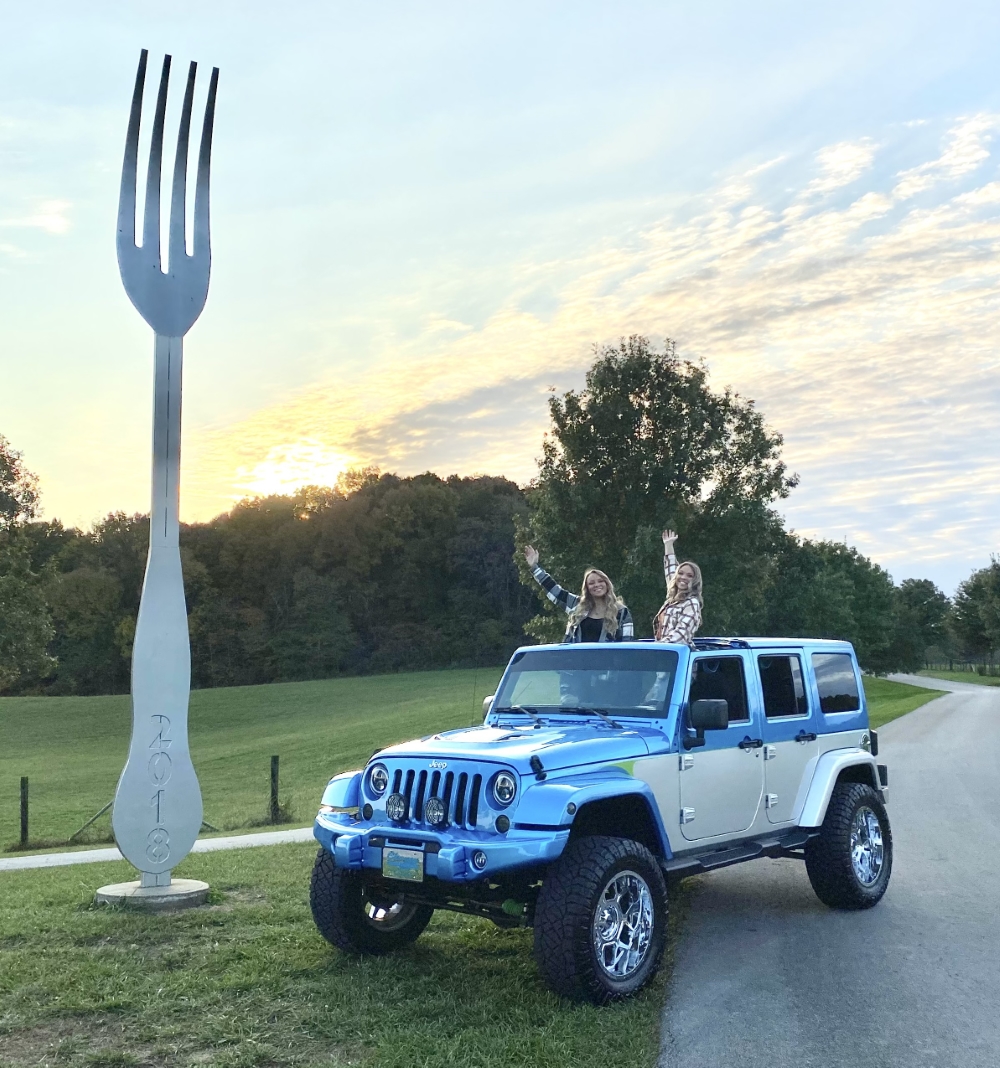
Visitors galore stop to snap photos at Simpson County’s famed Fork in the Road in Kentucky.
Photo courtesy of Simpson County Tourism Commission
That showed up big time recently. In December 2025, Cincinnati-based Kroger announced a $391 million distribution center creating 430 jobs in Franklin, and last July Sumitomo Electric Wiring Systems of Japan announced a $17 million expansion creating 76 jobs in Simpson County. Altogether, Simpson County’s eight projects last year attracted $630.5 million in capital investment and generated 1,009 jobs.
“FDI is active in our community,” says Dixon. “Franklin’s location between Bowling Green and Nashville attracts people. This is the sixth-fastest-growing area in Kentucky. Our ability to attract and retain jobs is well known.”

Dueling Grounds Distillery combines two Kentucky legacies: bourbon and dueling.

Being 49 miles from the Nashville International Airport is a huge plus for Franklin, the mayor says. “When companies are looking, access to major air service is essential. I can drive to the Nashville Airport from here in 45 minutes.”
Kentucky’s northern neighbor shares some similarities on the small-town front. Northwest Ohio is home to three top 20 counties in the per capita ranking: No. 9 Defiance County, No. 14 Sandusky County and No. 20 Wyandot County. Over the past year, these three counties tallied 22 corporate facility projects, $1.65 billion in capital investment and 1,990 new jobs.
Greater Toledo Region Excels
Amy Sealts, president of Northwest Ohio Regional Economic Development, says, “It is not accidental that Northwest Ohio consistently outperforms other regions of the country. It is not tied to any one project. It is the result of intentional collaboration and knowing where to put investments. We have built a culture of private-sector and public-sector partners that are willing to compete globally for investments.”
Beyond that, Sealts says that something even stronger takes over. “I think Northwest Ohio is gritty,” she says. “There has long been a culture of manufacturing and an attitude of, ‘Let’s get this partnership moving forward quickly.’ Businesses can find what they need and make things happen here. Companies and site selectors see this happening around Northwest Ohio. When we collaborate, we end up attracting more business.”

Amy Sealts, President, NORED
New York-based First Quality Tissue proved that point when it selected a site in Defiance County for a $985 million, 400-job factory in February 2025. “I am not sure I can replicate 2025,” says Erika Willitzer, executive director of Defiance County Economic Development. “That was the Hail Mary of economic development. We pulled off getting First Quality to come to our mega-site. It is the biggest single investment ever to locate here. It took a lot of work and collaboration. For a county of 38,700 people, this is huge.”
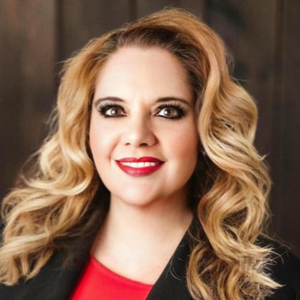
“I am not sure I can replicate 2025. That was the Hail Mary of economic development. We pulled off getting First Quality to come to our mega-site. For a county of 38,700 people, this is huge.”
— Erika Willitzer, Executive Director, Defiance County Economic Development
Willitzer says a lot changed in a short period of time in Defiance County. “Five years ago, we could not get anyone to come,” she says. “First Quality did a cold call to our office. We gave them as much information as possible. They wanted to do a site visit. Their executives came in. We pitched our site. Then we did a site tour.”
“Franklin’s location between Bowling Green and Nashville attracts people. This is the sixth-fastest-growing area in Kentucky. Our ability to attract and retain jobs is well known.”
— Larry Dixon, Mayor of Franklin in Simpson County, Kentucky
A project engineer for First Quality said the company scoured 400 sites across the country before picking Defiance. “Our mega-site was contiguous to the Maumee River and I-24,” says Willitzer. “If you were looking for a site that has it all, this had it all. The Governor’s Office, Ohio Department of Development and All Ohio Future Fund came together to fund essential infrastructure like water and sewer. It was the perfect storm. It made perfect sense for the company.”

“We are, bar none, a manufacturing county. We do it, we preach it and we welcome more manufacturers.”
— Beth Hannam, Executive Director, Sandusky County Economic Development Corp.
Nearby Sandusky County landed plenty of projects of its own, says Beth Hannam, executive director of Sandusky County Economic Development Corp. Among them was Autokiniton, which announced on February 17 that it will invest $313 million to expand its Bellevue factory. The automotive component manufacturer will add 215,000 sq. ft., add 97 jobs and retain 400 other workers at the plant. Autokiniton said it chose Bellevue because of the region’s advantages: skilled workforce; transportation and rail infrastructure; proximity to customers and suppliers; and a supportive business climate.
When I asked her why so many places in Northwest Ohio consistently score at the top of Site Selection’s rankings, Hannam said: “We compete for projects with one another, but at the end of the day, everyone is willing to help each other win in Northwest Ohio.”
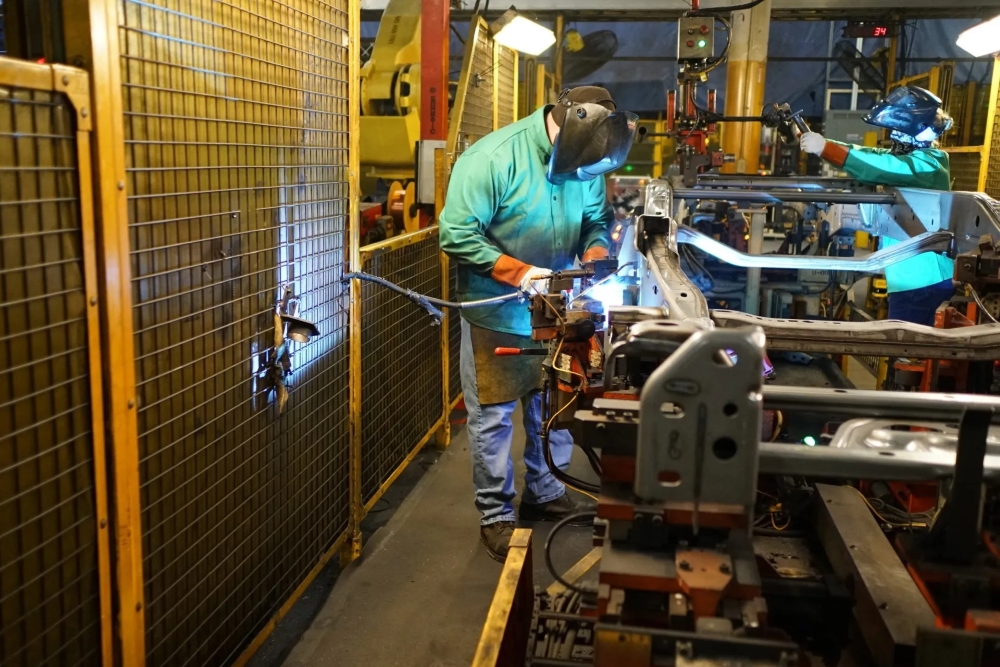
Autokiniton is Sandusky County’s largest expansion of 2026.
Photo courtesy of Sandusky County EDC