
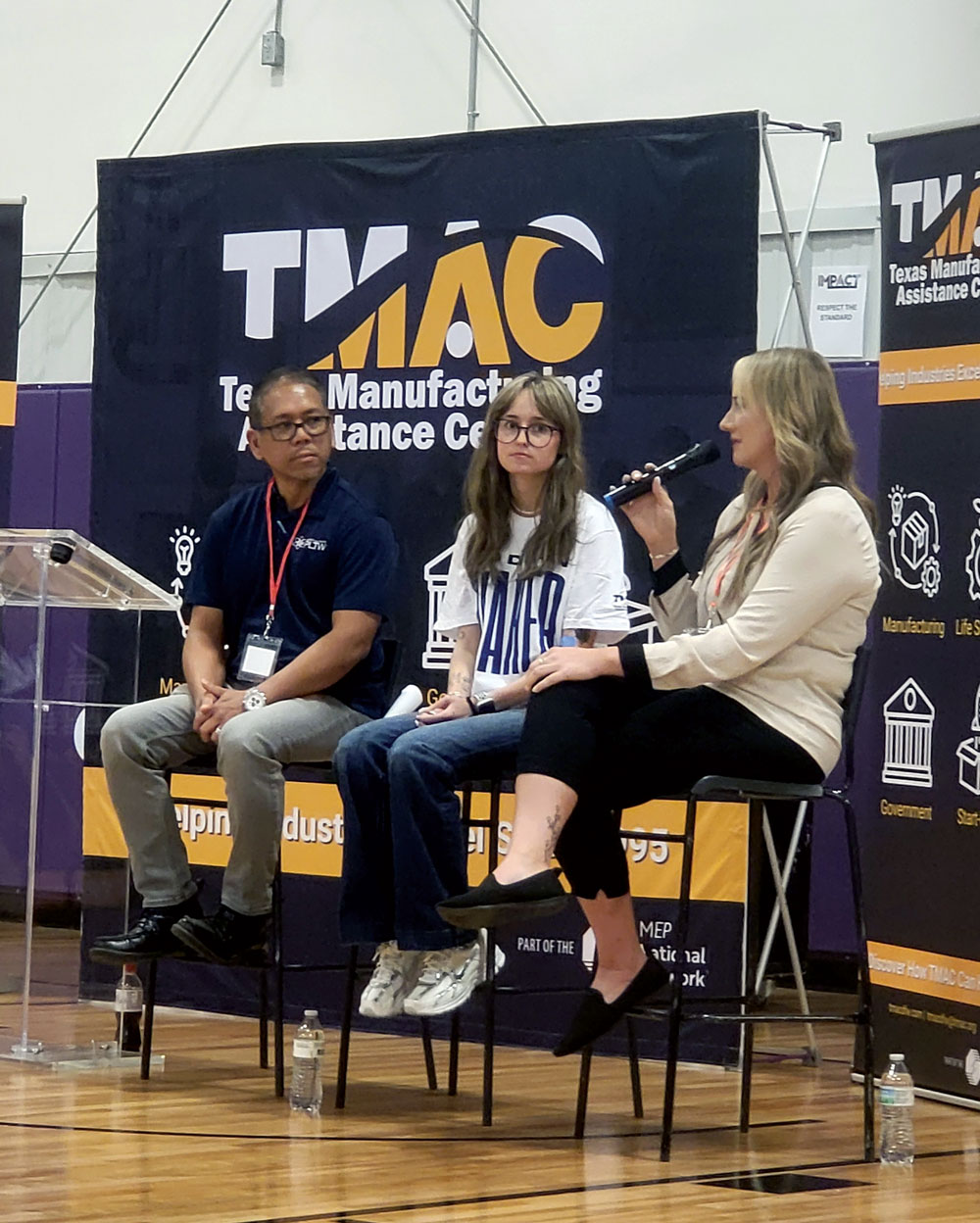
by Stephanie Lowry, CEO, Dayton Rogers Manufacturing
In my years within the manufacturing sector, I have heard one question more than any other: “Where is the next generation of talent going to come from?”
“skills gap” is a topic we discuss at every industry conference and board meeting. But for too long, many of us have looked at this as a problem for the education system alone to solve. I believe the real solution starts with us — the manufacturers. By opening our doors, partnering with local schools and leveraging available funding, we aren’t just filling vacancies; we are actively cultivating the future of our industry.
At Dayton Rogers — a leader in the metal forming industry for nearly 100 years — we specialize in precision metal stamping, sheet metal fabrication and sub-assemblies for a wide range of industries. We decided to stop waiting for the perfect candidates to walk through the door and started building them ourselves. We realized that the specialized precision and technical expertise our customers expect couldn’t always be taught in a generic classroom. We needed a curriculum that mirrored the reality of our shop floor.
To bridge this gap, we leaned into local partnerships. In Columbia, South Carolina, we collaborated with Midlands Technical College in to create “Dayton Rogers University” — a series of specialized classes tailored to our specific manufacturing needs. We’ve seen similar success through our partnership with Collin Technical College in Allen, Texas. Looking ahead, we are already in discussions to expand these educational footprints further by partnering with institutions like Piedmont Technical College in Newberry, South Carolina.
No Need to Reinvent the Wheel
The most important takeaway for my fellow business leaders is this: It didn’t break the bank. By working closely with local economic development offices and technical partners, we were able to apply for training grants and apprenticeship funding. This allowed us to facilitate high-level technical training that cost the company nothing but our time. The return on that investment has been a more loyal, highly skilled and safety-conscious workforce.
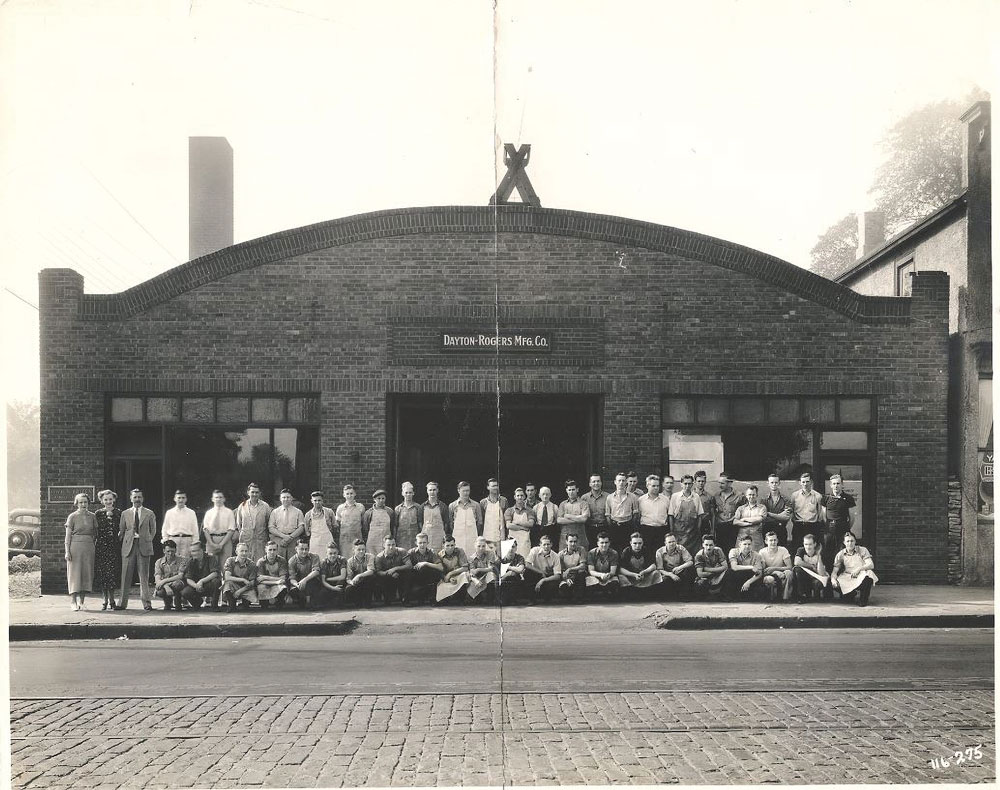
Dayton Rogers has been a leader in the metal forming industry for nearly 100 years, pioneering the short run metal stamping process.
Photo courtesy of Dayton Rogers
If you are looking to build a similar pipeline, you don’t have to reinvent the wheel. No matter where your facility is located, these three steps apply:
- Identify Your Core Competencies: Focus on the three to five most critical skills your employees need. Use those as the foundation for a specialized curriculum rather than trying to teach everything at once.
- Connect with a Local Technical Partner: Reach out to the workforce development or corporate training department at a nearby community or technical college. As we found with Midlands and Collin Tech, these institutions are often eager for industry partners.
- Engage Economic Development Early: Before you pay for a single class, talk to your local or state economic development office. There are often federal and state funds designed specifically to offset the cost of training incumbent workers or new apprentices.
There are fantastic organizations ready to help you navigate the paperwork and logistics:
- Apprenticeship.gov: The U.S. Department of Labor’s “one-stop shop” for employers.
- The Manufacturing Institute: Provides national toolkits and proven models for building school-to-work partnerships.
- Workforce Innovation and Opportunity Act (WIOA): A federal program that provides funding for job training through local Workforce Development Boards.
With four strategic locations — Minnesota, Ohio, South Carolina and Texas — and a dedicated workforce of over 150 employees and growing, we provide our customers with local support and world-class engineering expertise. Our mission is to be a total project partner, from 3D prototyping to full-scale production.
We are currently in a season of significant expansion. To support our growing customer base, we are planning major footprint upgrades to both our South Carolina and Texas facilities over the next two years. Furthermore, we are aggressively expanding our technical capabilities, with plans to significantly increase our specialized machining space within the next two to three years.
Let’s Connect
Growing the manufacturing industry is a team sport. If you’re interested in learning more about how we’ve implemented our training programs, or if you have a project that requires precision metal forming or machining, we’d love to hear from you.
You can reach out to a Dayton Rogers representative today by visiting our website at www.daytonrogers.com. Let’s build the future of manufacturing together.

Stephanie Lowry is CEO of Dayton Rogers Manufacturing, a leading metal stamping and fabrication company with four divisions across Minnesota, Ohio, Texas, and South Carolina. A recognized voice in the manufacturing sector, she serves as vice chair for the Precision Metal Forming Association’s Southeastern District.