At the Latin America and the Caribbean International Economic Forum convened in January by the Development Bank of Latin America and the Caribbean (CAF) in Panama City, Panama, Jamaican Prime Minister Andrew Holness told the assembled leaders it was time to move from a narrative of vulnerability to one of agency if the region wishes to live up to its growth and prosperity potential.
One of the planks for advancing the region’s economy, said a CAF summary of his remarks, is “a regional competitiveness agenda anchored in connectivity, logistics, energy security and digital transformation.”
Central to an upgrade in digital infrastructure and connectivity is the same data center sector that’s surging with projects in the rest of the world. Central America, for the most part, has been running behind: El Salvador didn’t inaugurate its first globally certified data center, the $30 million “DataTrust” facility from IFX/Grupo Codisa in the 12-acre Altius Tech Park in Arce, until July 2024, 32 months after it had launched construction in November 2021. Infrastructure developments such as Altius are part of what has prodded the United Nations Development Program’s Digital Readiness Assessment in mid-2025 to upgrade the nation’s technological maturity from “systematic” to “differentiated.” The next stage? Transformative.
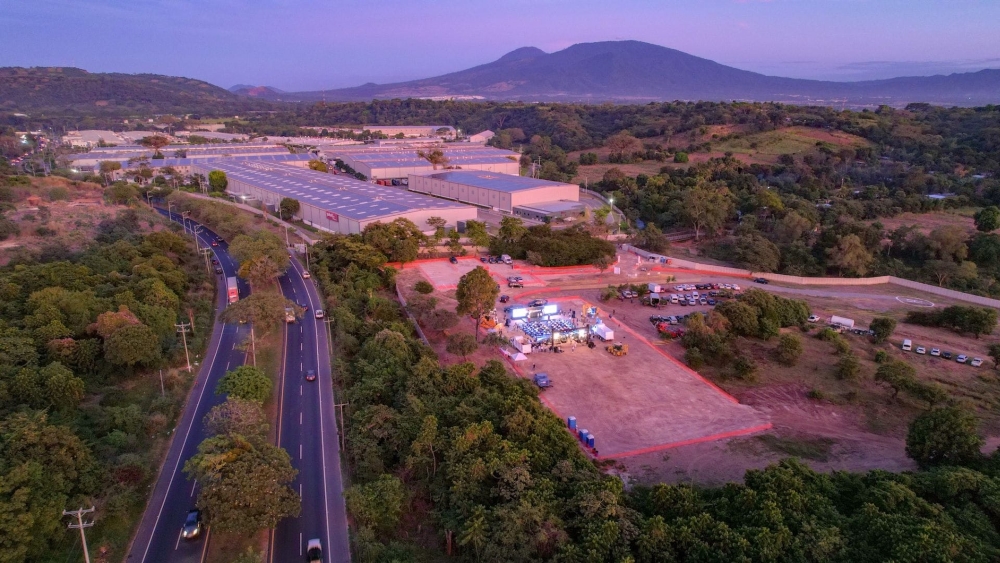
Altius Tech Park in El Salvador welcomed $30 million data center complex called DataTrust from IFX/Grupo Codisa in 2024 and expects more to come as the country improves its digital infrastructure.
Photo courtesy of Altius Tech Park
Mexico and Beyond
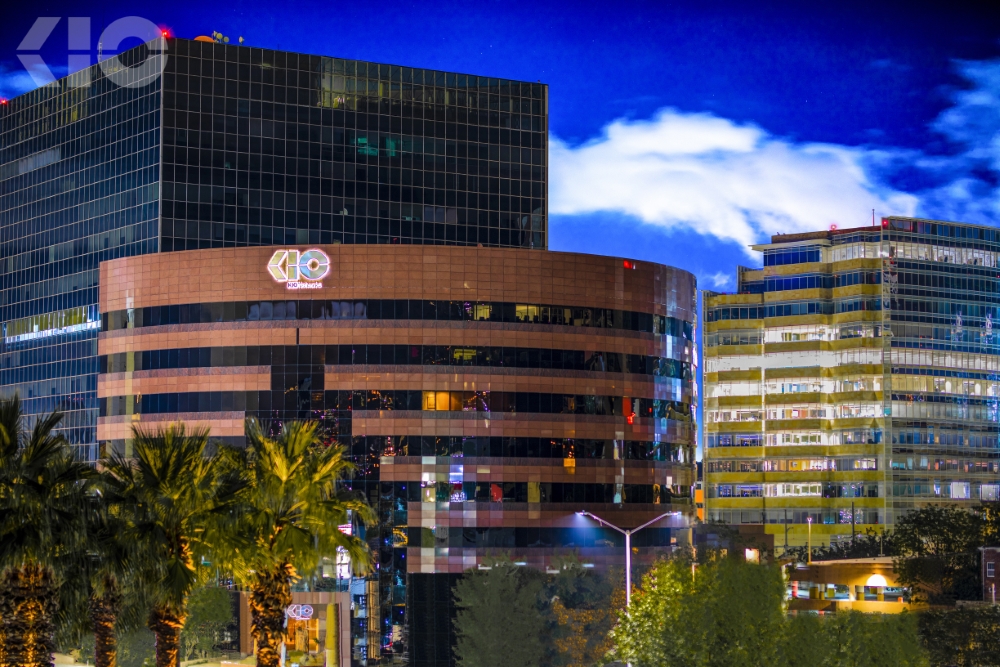
That’s a word that KIO Data Centers is aiming for as it continues to invest in data centers across the Americas, with operations in Mexico, Guatemala, Panama, Colombia and the Dominican Republic. As of October, the company had 15 campuses and six facilities under development. With the December 2025 opening of its Querétaro 02 (QRO2) facility, KIO has reached nearly 19 megawatts (MW) of capacity in Mexico, counting its sites in Mexico City and Monterrey, since first doing business in the country in 2002.
“Querétaro’s proximity to the U.S. and robust interconnection ecosystem make it a strategic nearshore location for companies expanding cloud, AI and digital infrastructure across North America,” the company stated in a release.
In September 2025, KIO started construction of its second data center in Guatemala City, Guatemala, where $400 million in capital expenditure will quadruple the company’s installed capacity in the country. It will be located next to the existing KIO GTM1 facility, in the Technology Park (TEC Guatemala Campus), which will allow for the automatic expansion of connectivity to the 19 carriers already integrated into the ecosystem, the company said.
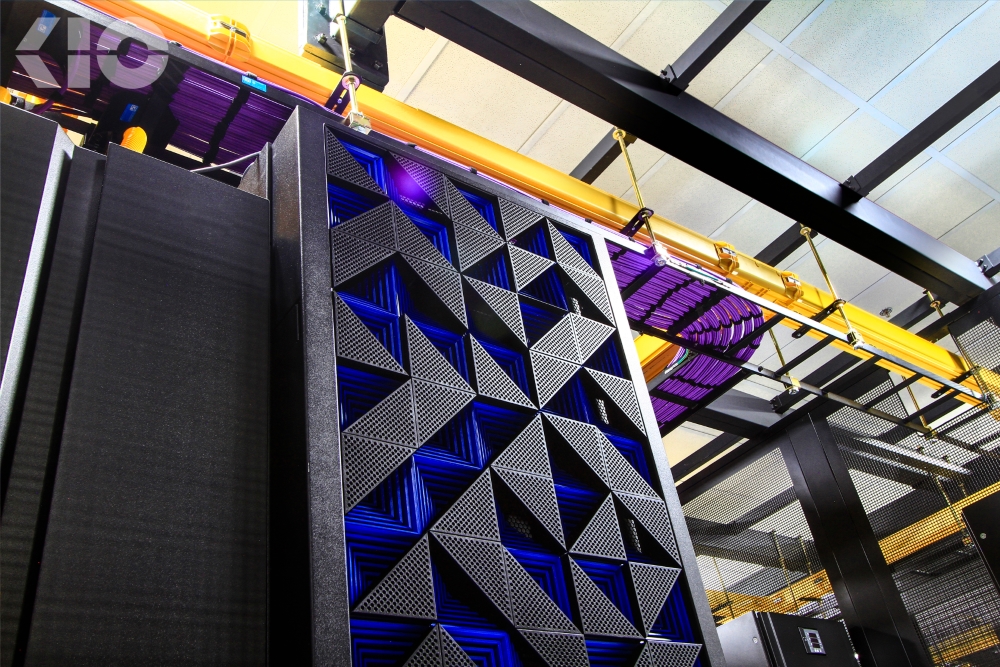
KIO Data Centers opened a facility in 2023 in a free trade zone in the Bogotá Free Trade Zone in Colombia, the company’s first venture into South America.
“Our second data center in Guatemala is a testament to KIO’s commitment to the Central American market and the success of our clients,” said Octavio Camarena, CEO of KIO Data Centers, who was recognized a month later as Leader of the Year by the DCD LATAM Awards. “By expanding our capacity and investing in AI-ready infrastructure, we are not only meeting current needs but also preparing the region for the future of technology.”
Right to the Moon
But why stop there, especially in a world where, KIO says, more than 402 quintillion bytes of data are generated daily, and the volume doubles every six weeks? In September, KIO announced a strategic alliance with outer space-based data storage firm Lonestar Data Holdings, stating that KIO’s terrestrial facilities would act as “digital consulates” that connect with Lonestar’s “data embassies” in space. Lonestar CEO Chris Stott said KIO was chosen “because of its world-class, resilient, secure and sustainable infrastructure. Its high standards of availability and renewable energy operations, along with its leadership in the Latin American digital ecosystem, make KIO DC the ideal partner to bring our vision to life: protecting and securing humanity’s most valuable data beyond the limits of Earth.”
The Lonestar business plan calls for establishing a ground station antenna to connect with a satellite in a cislunar orbit, with a long-term vision of building data centers “within the natural lava tubes or craters on the lunar surface, leveraging the moon’s geology for data protection and resilience,” the companies said, noting successful validation testing on the International Space Station and during the Freedom mission in 2025.
“Capacity is set to grow from 15 PB [petabytes, equal to 1 quadrillion bytes apiece] in 2027 to 400 PB by 2032,” said the companies, “with expansion plans toward exabytes and yottabytes on the Moon supported by SpaceX Starships.”
In Spanish or English, it takes a whole lot of bytes to reach a yottabyte — 1 septillion bytes to be exact, or enough storage for 250 trillion DVDs. If that vision comes to pass, then Mexico-based KIO Data Centers will be engaged in activity with transformative powers extending well beyond the Americas.