
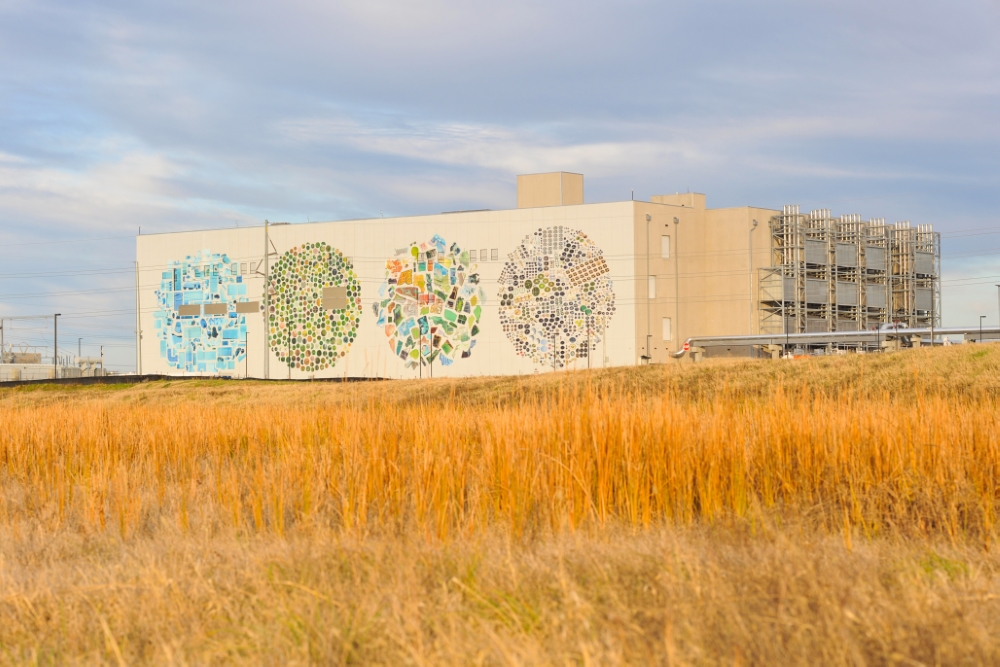
Digital growth is fueled by abundant, affordable power and solid infrastructure.
by LISA A . BASTIAN
If you’ve been paying attention to data center growth and migration patterns across the country, there are two inescapable conclusions: There is a race to energy; and that race is being won by locations that harness it at lower cost.
In both cases, Oklahoma is winning.
Since about 2022, the explosive growth of AI and cloud computing has been reshaping where data center projects are developed across the U.S. Future-focused AI facilities require enormous amounts of electricity, large-scale development sites and long-term expansion capacity. Those demands are placing new pressure on many of the industry’s traditional data center markets.
For years, first-wave hubs such as Northern Virginia and Texas readily accommodated the sector’s needs with abundant power, strong fiber connectivity and room for large-scale development. But rising land costs, grid constraints and years of intensive buildout have made some of these places undesirable for this new generation of projects.
As a result, during this second wave of U.S. data center expansion, companies are casting their site selection net much wider. In the process, they’re discovering highly competitive regions that previously were overlooked.
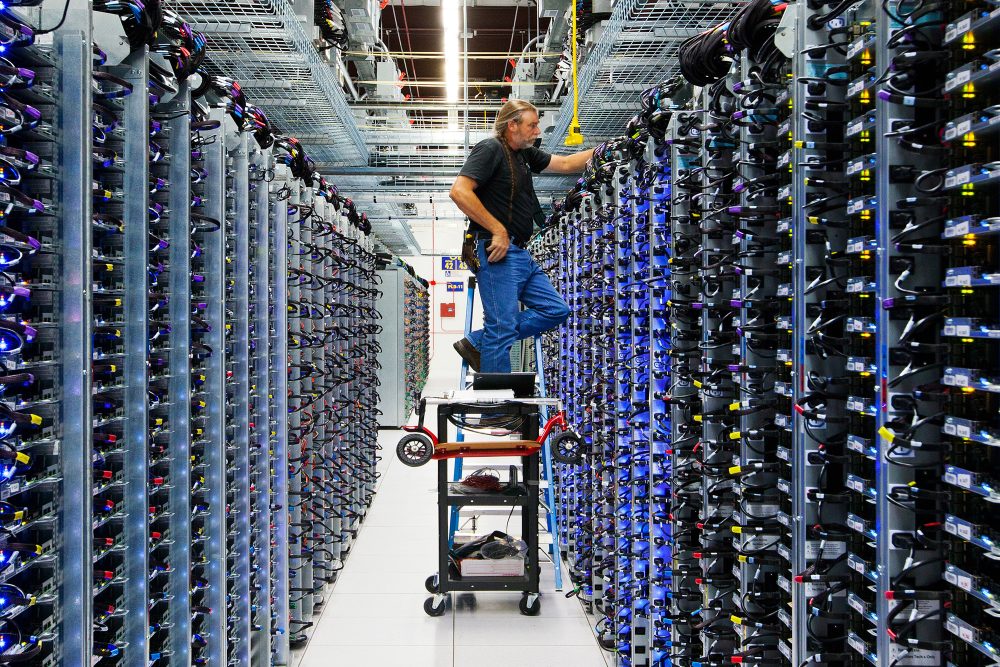
Google’s data center site in Mayes County
Photo courtesy of Google
That seismic shift is helping position Oklahoma as a serious competitor for large-scale AI infrastructure projects. The state offers multiple measurable advantages placing it on short lists for data center investments. Chief among them: energy — and lots of it.
For decades, Oklahoma has ranked among the nation’s leading energy exporters. Today, the state produces about 61% more energy than it consumes, giving technology firms greater confidence in long-term power availability and future expansion capacity.
Oklahoma’s diversified energy portfolio is another major advantage for hyperscale operations. Roughly 50% of the state’s electricity generation is fueled by natural gas, while more than 40% is generated by wind energy. The remainder is supplied through growing solar and other renewable sources.
For AI centers operating around the clock, that diversification helps reduce grid vulnerability while supporting the massive electricity demands these projects require.
Oklahoma City: The Center of Something Extraordinary
Industry tracking firms list dozens of data centers currently operating statewide. Oklahoma City has the largest concentration of them, followed by Tulsa. Together, those markets support the modern infrastructure needs for national and regional companies such as TierPoint, ValorC3, Cerebras Systems, RACK59, Windstream, Lumen, TulsaConnect and Compass Datacenters.
Notably, Oklahoma City’s well-earned reputation in advanced AI infrastructure received a major boost in 2025, when Cerebras Systems opened a large-scale technology facility there. Cerebras is recognized internationally for developing some of the world’s fastest systems used for advanced model training and high-performance processing workloads. Its Oklahoma City site delivers over 44 exaflops of processing capacity, a feat placing it among the most powerful facilities of its kind on Earth.
Andrew Feldman, co-founder and CEO of Cerebras Systems, described Oklahoma City as part of a new generation of AI infrastructure emerging beyond traditional coastal tech hubs. He predicted that breakthroughs shaping the next decade of AI “will begin in Oklahoma City” as the region becomes “the center of something extraordinary.”
New Google & Meta Investments Further Validate the Region
Google and Meta rank among the world’s top four hyperscale digital infrastructure companies. Together, they power everything from social media and streaming platforms to AI systems, cloud computing and global data networks. Recent investment announcements from these industry giants are pushing Oklahoma into the first tier of emerging U.S. markets for large-scale technology projects.
Google is a long-time corporate citizen of Oklahoma. Back in 2007 it opened its first data center here in Mayes County. After multiple expansions, the 1.4-million-sq.-ft. facility now is the company’s second-largest data center in the world.
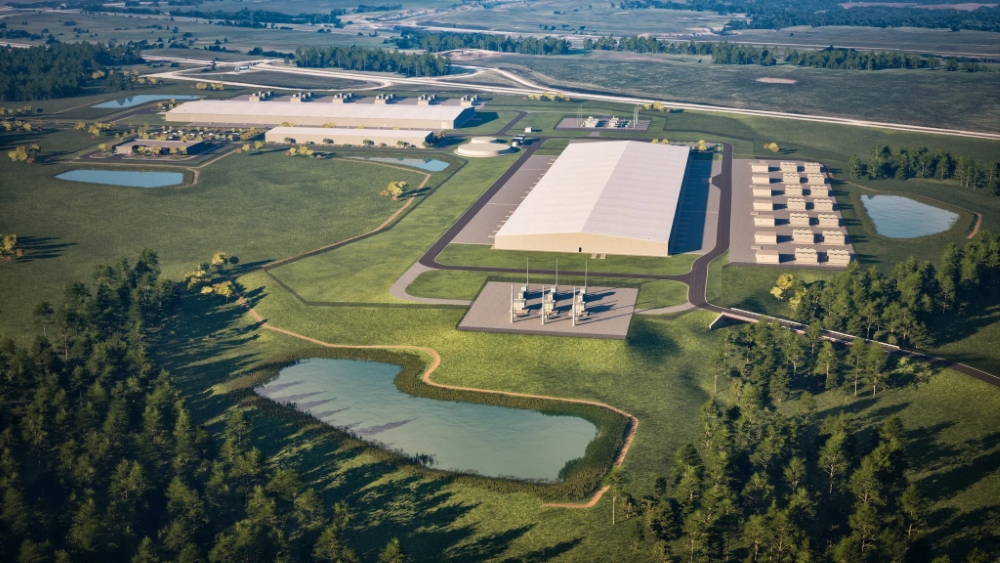
Meta’s data center site in Tulsa
Photos courtesy of Meta
But that development was only the beginning of Google’s commitment to the region. In 2025, the company announced a massive two-year, $9 billion investment in Oklahoma to support its growing AI and cloud infrastructure needs. The initiative focuses on expanding the Pryor campus; developing a new hyperscale data center and AI complex in Stillwater; and building two data campuses in Muskogee County (near Summit and Council Hill).
Muskogee leaders say Google’s plans prove their region is a growing tech hub offering the infrastructure, workforce and partnerships digital industry firms need “to compete on a world stage.”
Part of this $9 billion investment also will support AI training, electrical workforce development and university partnerships aimed at strengthening Oklahoma’s long-term tech workforce. Since establishing its presence here nearly 20 years ago, Google has invested over $15 billion in its data centers, cloud infrastructure and related operations.
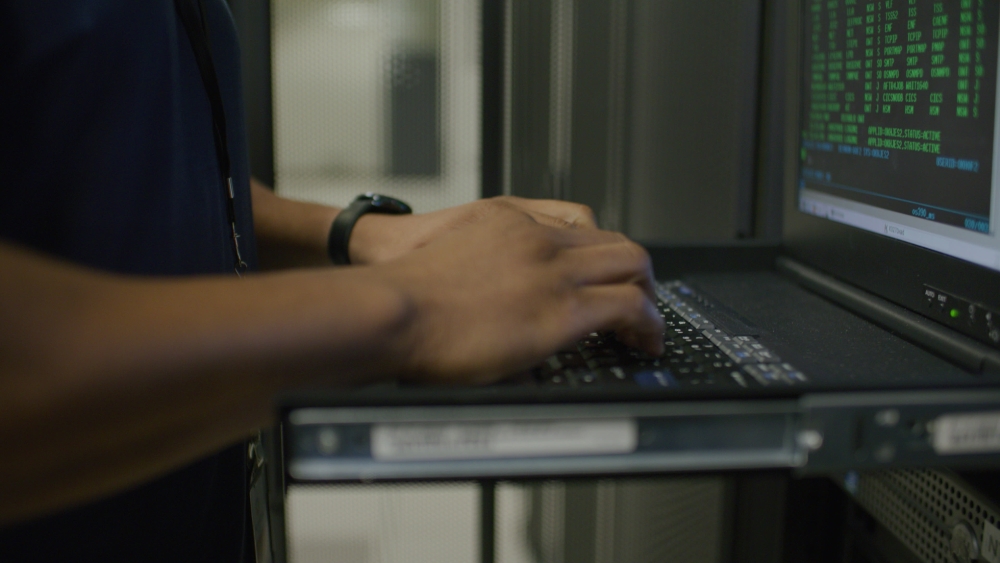
Photos courtesy of Meta
Google is a prime example of how data center projects can generate broader economic benefits well beyond the facilities themselves. Since 2008, the company reports it has given over $7 million to philanthropic causes across Oklahoma, and during 2024 alone helped create nearly $2.2 billion in statewide economic activity.
In April 2026, Meta broke ground on its first-ever Oklahoma data facility: the Tulsa Data Center. The $1 billion project, spanning more than 2 million sq. ft., ranks among the largest economic development investments ever made in Greater Tulsa. The facility is expected to create about 100 operational jobs while supporting Meta’s global digital infrastructure network.
Meta selected Tulsa because of its “great access to infrastructure and energy, a talented workforce and outstanding local partners,” according to Gary Demasi, Meta’s vice president of data center strategy.
“The momentum in Oklahoma is real,” said John Budd, CEO of the Oklahoma Department of Commerce. He added that Meta project’s is further evidence that top-tier companies around the world are lining up to invest in the state.