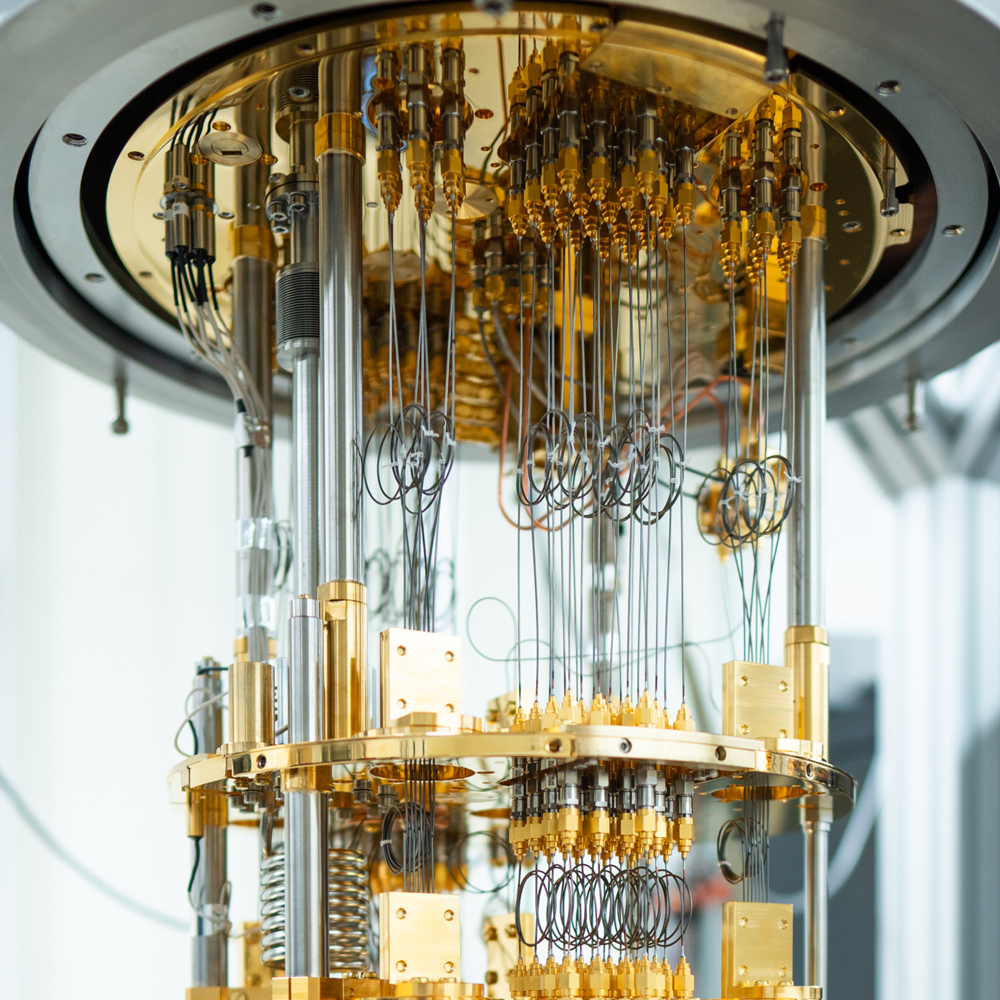
Where can an idea take an Illinois entrepreneur? Before catapulting into the global marketplace, that concept often begins with locating an ideal launchpad.
Whether a startup’s needs are centered around cultivating a strategic business plan, pursuing product development, locating venture capital or connecting to research expertise, Illinois has a roster of incubators, accelerators and hubs for innovation that cater to an entrepreneur’s specific goals.
Options are far from limited, as Illinois is home to a variety of innovation centers aligned with diverse industries. The Chicago metro area alone supports almost 100 incubators and innovation facilities, including Hyde Park Labs, mHub, the University of Chicago Polsky Center for Entrepreneurship and Innovation, the Rosalind Franklin University of Medicine and Science Helix 51 Incubator and the Illinois Quantum and Microelectronics Park (IQMP).
Last year, about 189,000 new business applications were welcomed by Illinois, according to data from Illinois EDC’s newly formed Economic Research Center. It’s a signal defining the level of entrepreneurial activity impacting Illinois.
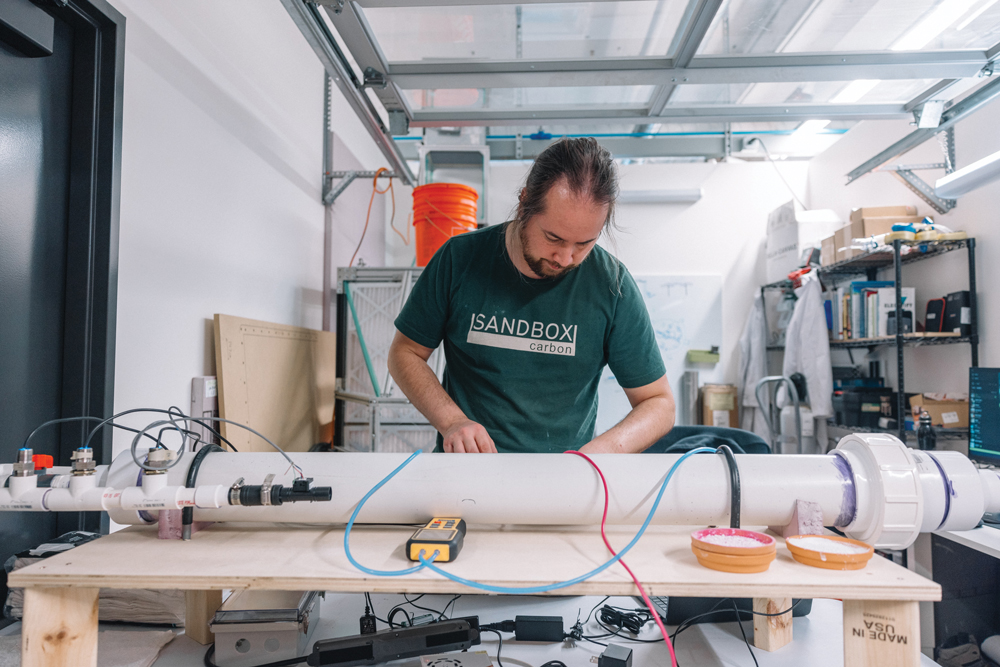
Over nearly a decade, mHUB has seen the hundreds of startups it’s fostered raise more than $2.3 billion in capital, launch 1,852 products and create 7,251 jobs.
Photos courtesy of mHUB
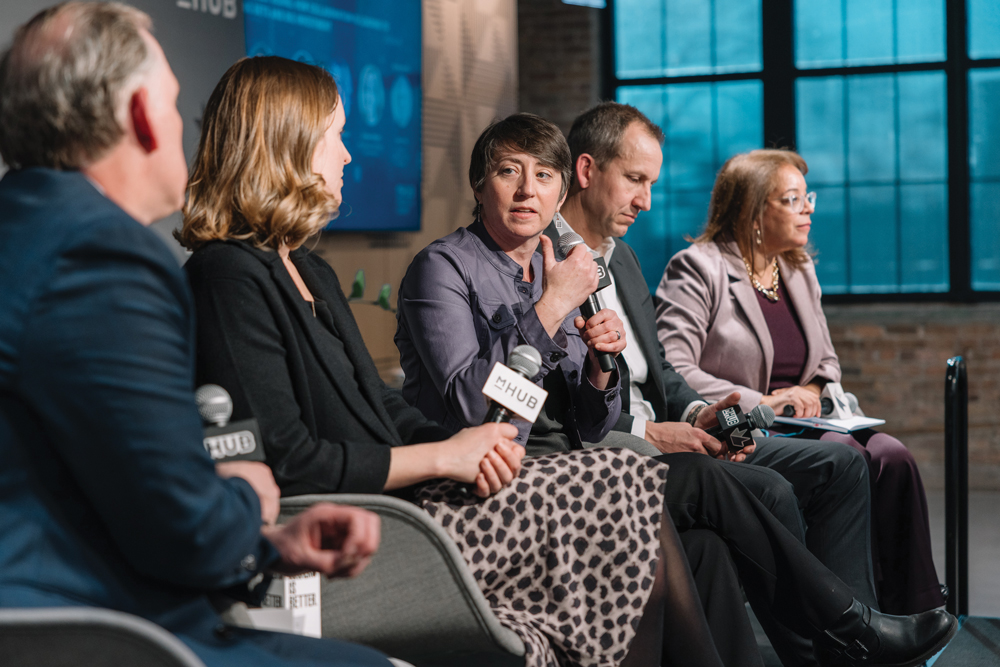

Forging a Quantum Partnership
Silicon Catalyst, based out of California, is widely recognized as the only accelerator in the world dedicated exclusively to the semiconductor industry. Last year, it announced plans to launch a new quantum-focused program, attracting new In-Kind Partnerships from six vendors and service providers, notably bringing in the IQMP.
Selected participants in the 24-week program will benefit from IQMP infrastructure such as lab space, equipment and quantum computing expertise in the pursuit of building, validating and commercializing quantum systems. This includes access to IQMP’s National Quantum Facility, which holds a dedicated cryogenic plant and will also welcome the Illinois-DARPA Quantum Proving Ground.
“Quantum is shaping up to be one of the largest technology shifts of the next decade outside AI. McKinsey forecasts nearly $100 billion in quantum revenue by 2035, with over $2 trillion in broader economic value created. Although there is a lot of overlap of tools and supply chain needs for spin-qubit quantum technologies, there are other specific quantum requirements and other modalities that we want to support,” said Silicon Catalyst Managing Partner of Strategic Initiatives James Lougheed. “That scale and these special requirements are why we launched this new quantum vertical.”
Silicon Catalyst’s program will also leverage the software and hardware capabilities of other partnering quantum companies: Nanoacademic, Quantum Brilliance, SDT, sureCore and Zero Point Cryo.
Months after this initiative was unveiled, it was announced that IBM would be partnering with IQMP to establish the FutureNow Chicago center. The facility is designed to serve as an innovation and delivery hub, creating an accessible pathway to high-growth tech careers. IBM has said it also plans to generate 750 new roles surrounding AI, cybersecurity, data science, quantum computing and other advanced technology fields in the region.
FutureNow Chicago will be housed in IQMP’s Quantum Works building, allowing IBM clients and industry partners room to find solutions to complex challenges while driving real-world impacts. Its positioning in the park further builds upon the collaborative spirit of the Quantum Works facility, which additionally supports programs from the National Quantum Algorithm Center and the Discovery Partners Institute of the Grainger College of Engineering at the University of Illinois Urbana-Champaign.
IBM plans to hire one-third of the over 700 roles from the City Colleges of Chicago’s new apprenticeship program, Project Moonshot, which the company is helping build. The program seeks to support 500 apprentices within advanced technology fields over the next five years.
Illinois Backs New Innovation
In February 2026, Governor JB Pritzker and the Illinois Department of Commerce and Economic Opportunity announced $2.4 million would be distributed across 34 companies through the third round of the Illinois Innovation Voucher Program. By industry, selected awardees in this round span education, healthcare, space tech, clean tech, energy, quantum, manufacturing, fintech, semiconductors and transportation & logistics.
Awards up to $75,000 in funding support research and development projects in partnership with a qualified Illinois higher education institution. By connecting with Illinois universities and research institutions, these companies can pursue technology validation, streamline product development and strengthen commercialization pathways with up to 75% of research engagement costs covered.
Qolab, Inc., a superconducting quantum hardware manufacturer, was among the eight recipients that gained the max funding amount this round. After becoming the first quantum computing startup to emerge from the University of Wisconsin-Madison in 2022, the company joined the Chicago Quantum Exchange as a corporate partner in 2025. That move will aid Qolab’s goal of building a utility-scale quantum computer that produces higher-quality superconducting qubits alongside industry and academic partners.
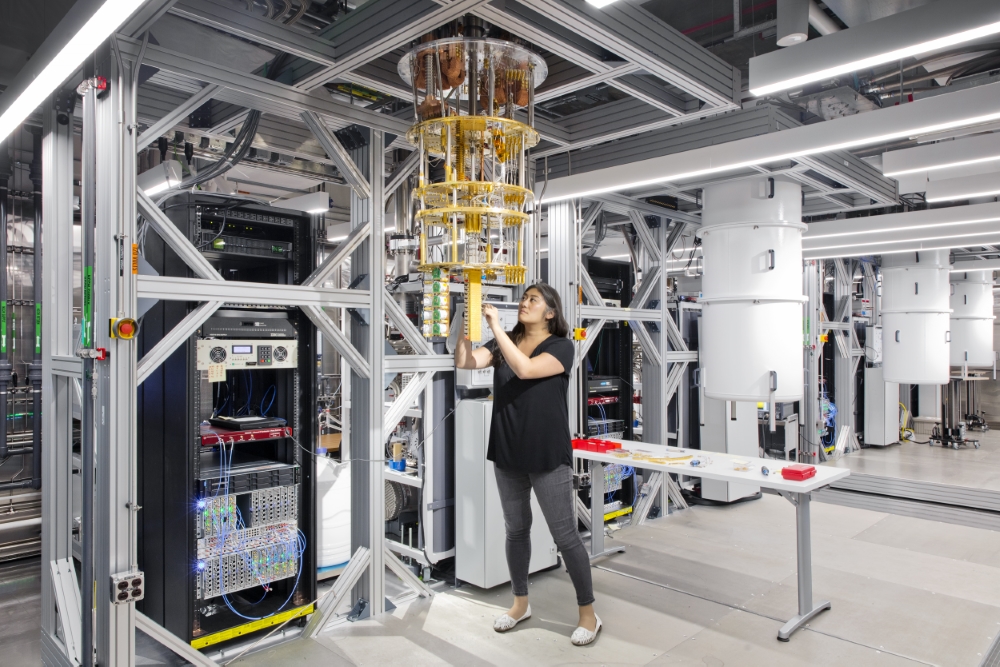
In May 2026, IBM announced plans to establish a FutureNow Chicago innovation and delivery hub at IQMP to pave clear pathways to high-growth tech careers.
Photo courtesy of IBM
The company’s application to the Illinois Voucher Program sought partnership with Northwestern University, which served as the anchor research institution for 11 of the new awardees. Qolab CEO and Co-founder Alan Ho says that Northwestern’s Assistant Professor of Computer Science Kate Smith and Professor of Computer Science and Computer Engineering Nikos Hardavellas are central to the project.
“Northwestern has many quantum systems researchers on the software and algorithms side. Namely, we are collaborating with a team led by Kate Smith and Nikos Hardavellas,” says Ho. “The NU team will use the Qolab’s processors to design novel pulse-level techniques that improve the performance of quantum computers.”
He notes that State support has helped Qolab catalyze fruitful research partnerships with scientists in the Chicago area, in addition to accelerating the company’s collaboration with Northwestern.