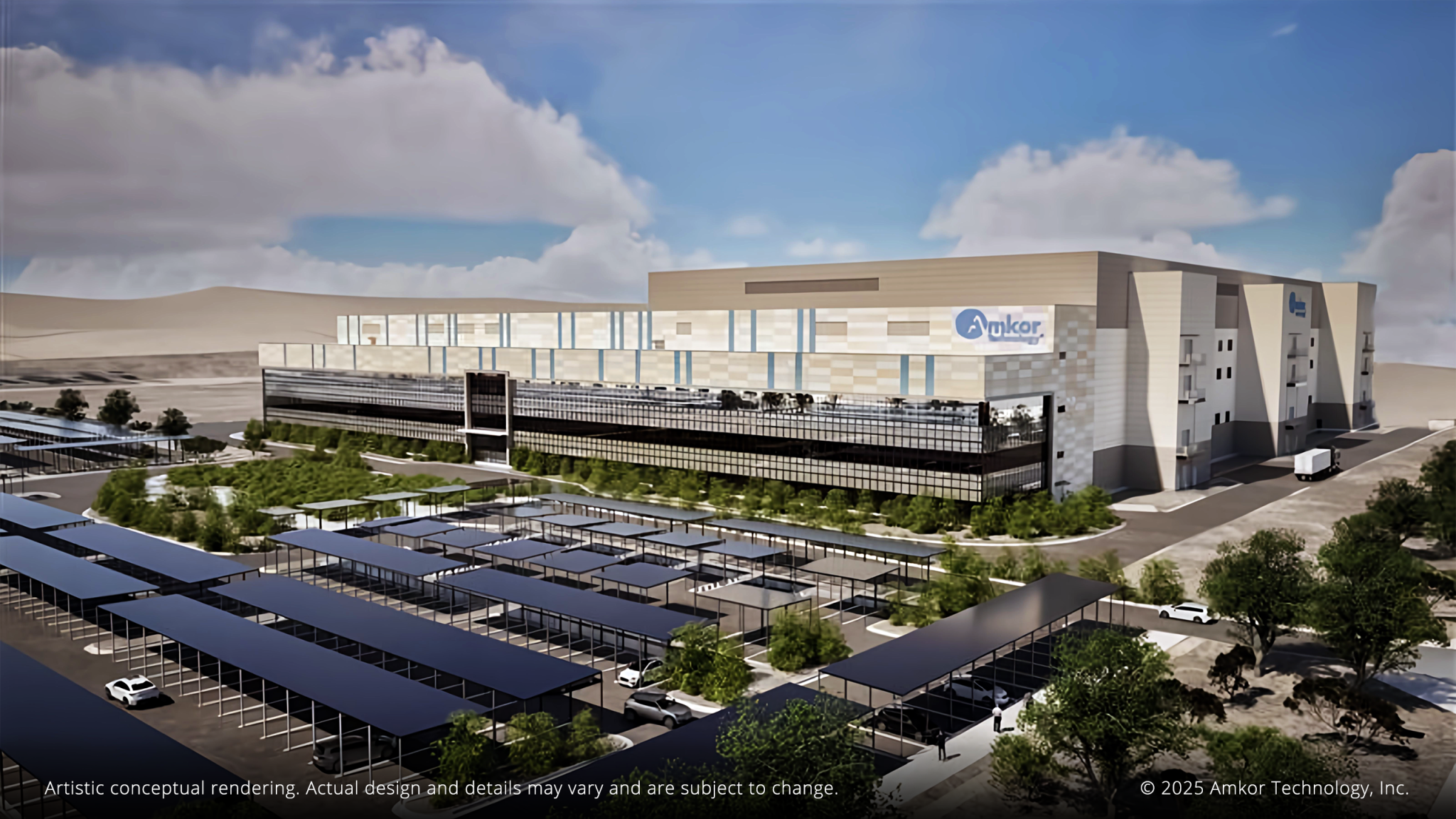
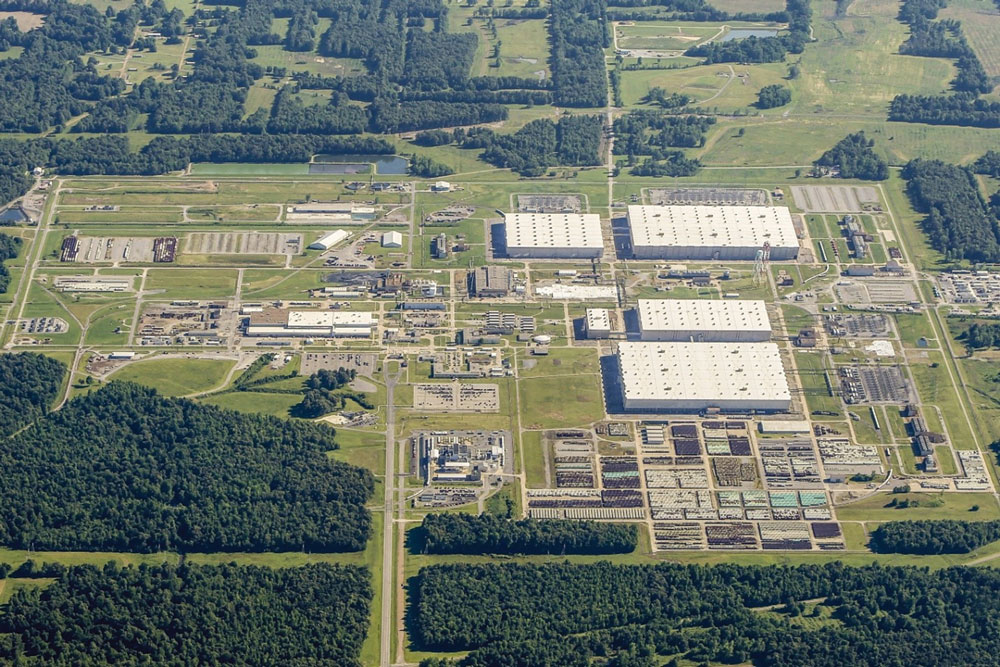
Amkor breaks ground and boosts its total investment to $7 billion in Arizona. Ireland’s Echelon plans the largest data center campus in Italy at a site near Milan. AstraZeneca will invest another $500 million into the $4 billion production facility in Virginia the company announced in July.
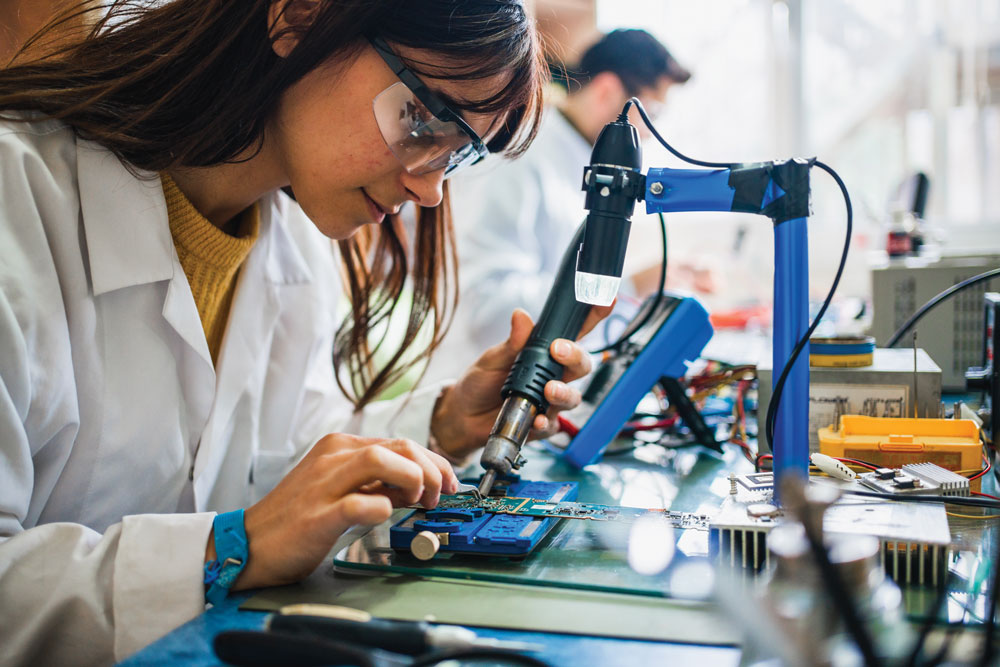
There’s more to the semiconductor ecosystem than fabrication and component-producing facilities. Other beneficiaries of the CHIPS and Science Act incentive — a 25% tax credit for qualifying advanced manufacturing facilities — include companies specializing in R&D, packaging, chip design, equipment and advanced materials.
The DOE jumps on the data center bandwagon. A $400 million agrifood investment lands in the Peach State. Mars invests $2 billion across multiple U.S. sites. Maryland goes nuclear. Ford is all in on EV production. And the automotive sector lapped the field in robot installations last year.
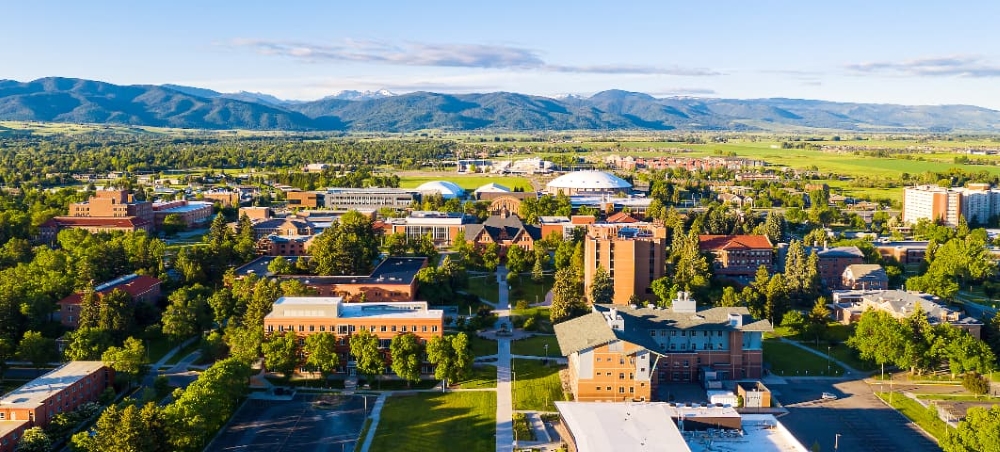
Photo of Montana State University’s Innovation Campus in Bozeman courtesy of Montana State University
UIDP (University Industry Demonstration Partnership), an organization devoted to promoting industry-university collaboration, held its annual conference in Chicago in September. Full presentation materials are available here. Prior to the event, a podcast featuring Brian Darmody, chief strategy officer at the Association of University Research Parks, addressed “Why Research Parks and Innovation Districts Are Crucial to University Innovation.”
Co-authors from AURP and the Network of Academic Corporate Relations Officers contributed this feature on research parks to Site Selection’s July issue. We have cited Darmody’s expertise as far back as 2010. Another presenter in Chicago was TUFF CEO Kevin Byrne, who serves as UIDP treasurer and whose insights into facility development at universities were first shared with Site Selection readers in 2008.
Illinois has plenty of tourism hot spots. But if you’ve never been to the Shawnee Sasquatch Festival in the southern Illinois town of Harrisburg, you’ll never learn how to run like a squatch.
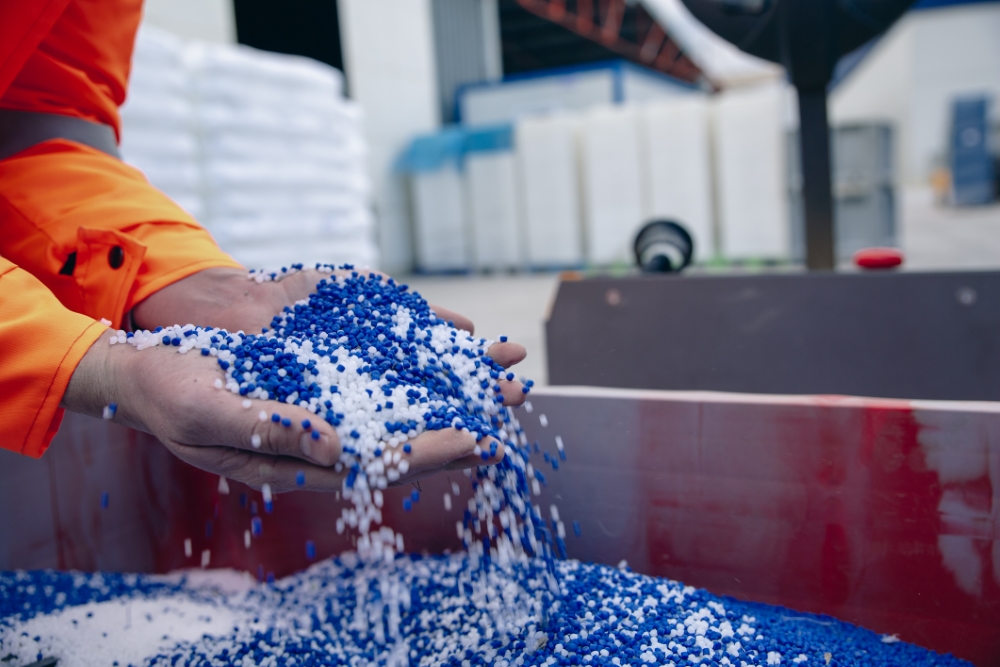
Last week the Plastics Industry Association, which says it represents over 1 million workers in a $551 billion U.S. industry, released its annual Global Trends Report at the K Show conference in Düsseldorf, Germany. Among the highlights:
The U.S. resin industry recorded a $23.7 billion surplus in 2024, consistent with 2023 levels.
Mexico and Canada remained the largest export markets, with U.S. exports totaling $19.8 billion to Mexico and $14.3 billion to Canada, resulting in the industry’s largest trade surplus — $11.6 billion — with Mexico.
China was the third-largest export market, with $7.3 billion in U.S. exports (unchanged from 2023), but also the largest source of the industry’s trade deficit, amounting to $12.4 billion. The U.S. had a $4.3 billion trade surplus in resin with China in 2024.
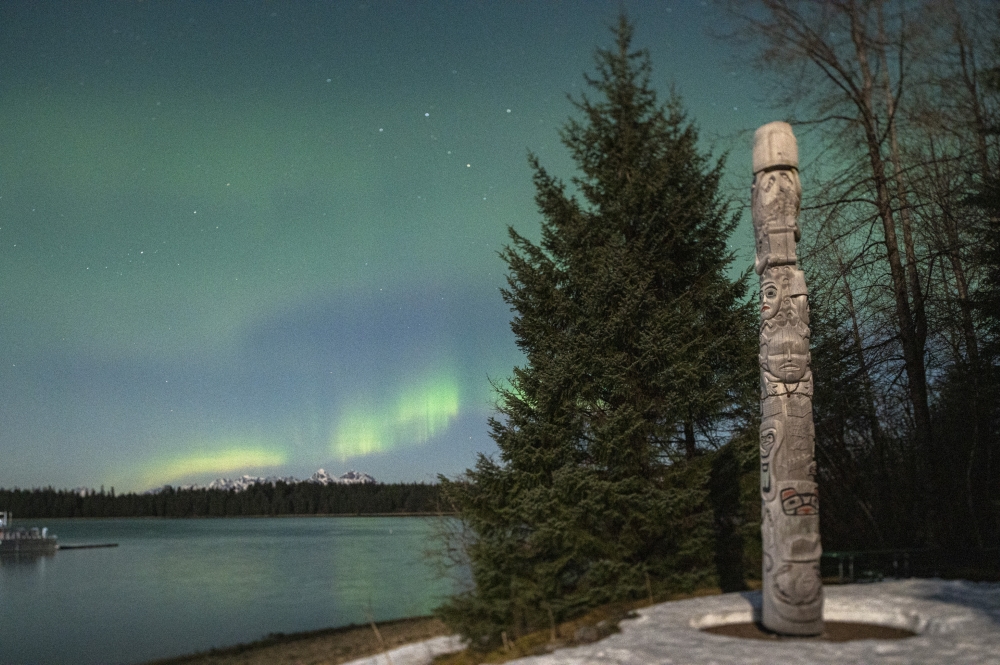
On this Indigenous Peoples Day we present this image made in 2021 by Sean Tevebaugh of the aurora borealis at the Healing Totem Pole (Yaa Naa Néx̲ Kootéeyaa) in Bartlett Cove, located in Glacier Bay National Park and Preserve. The pole is located near the Huna Ancestors’ House, which was dedicated in August 2016.
“Traditionally, four Huna Lingít clans occupied territories in and around Glacier Bay,” the National Park Service (NPS) explains. “When Glacier Bay became a National Monument in 1925, its borders encompassed much of the traditional Huna Lingít homeland. New federal laws severely curtailed Native activities within the monument boundaries. So began a painful period of strained relations between the Huna Lingít and the National Park Service. But time has brought much healing,” including new collaboration between the NPS and the Hoonah Indian Association.
Xúnaa Shuká Hít, roughly translated as “Huna Ancestors’ House,” is the first permanent clan house in Glacier Bay since Lingít villages were destroyed by an advancing glacier over 250 years ago.