The last of four new U.S. pharmaceutical manufacturing facilities within Eli Lilly and Company’s greater $50 billion domestic expansion strategy has been announced.
A healthy $3.5 billion investment is heading toward the Lehigh Valley in eastern Pennsylvania to establish Lilly’s latest injectable medicine and device manufacturing plant. It’s a monumental project that over 300 applicants around the nation attempted to gain, and one the Lehigh Valley Economic Development Corporation (LVEDC) spent the better half of 18 months to secure.
“A little bit before Christmas, Lilly CEO David Ricks called Governor Shapiro and let them know that they had made the decision to come to Pennsylvania,” says LVEDC President and CEO Don Cunningham. “It was an interesting stroke of good fortune.”
But not an unusual one: The Lehigh Valley region formally known as the Allentown-Bethlehem-Easton metro area is recognized elsewhere in this issue as the No. 1 Tier-2 metro area for corporate facility projects in 2025, tallying 49 in all.
Cunningham says Upper Macungie Township was in heavy pursuit of Lilly’s $5 billion active pharmaceutical ingredient (API) and drug product facility that ended up selecting Richmond, Virginia, back in September 2025. Since the Richmond facility was the first to be announced in Lilly’s U.S. expansion, the team wasn’t willing to throw in the towel, asking to remain in consideration for a potential future site.
About two weeks later, with a keen understanding of the region’s advantages as Lilly’s manufacturing, site evaluation and real estate experts spent months visiting the market, Lilly returned to Lehigh Valley. Since this project investment would focus on different therapeutic products, Cunningham shares that they began “feverish” retooling of the Fogelsville Corporate Center facility, in addition to modifying future workforce development strategies. Soon after, Lilly arrived with the Lehigh Valley’s single largest economic development project and marked the biggest life sciences project in the state.
“The good fortune was this project was going to be larger in investment and jobs for us,” he says. “It met the criteria for the Pennsylvania EDGE tax credit, which requires a minimum $200 million investment and the creation of at least 800 jobs, adding $50 million to the incentive package.”
In the official press release, Lilly said it selected the Lehigh Valley site due to proximity to STEM universities, transportation network, utilities, favorable zoning, existing infrastructure and a strong manufacturing workforce. The new facility will join the company’s announced API manufacturing sites in Virginia, Texas and Alabama. Reflecting on how the multi-billion-dollar project came together, Cunningham notes how important the partnership was among his team, local government leaders, the Pennsylvania Department of Community & Economic Development and the Governor’s Office to ultimately secure the investment. While local focus targeted site readiness, access roads and workforce, the state delivered new initiatives such as a new interchange on I-78 by the plant site. In order to ensure the community is ready for the 850 direct roles heading in, Lehigh Carbon Community College is tapping into life sciences expertise at Wake Tech in North Carolina in the development of a new training center. (Between 2020 and 2024, two of Lilly’s sites that are part of its $50 billion U.S. pledge have been chosen in Research Triangle Park and Concord, North Carolina.)
“We have a long history of manufacturing here and have made many different products over the centuries,” says Cunningham. “We’ve been able to pivot, transition and reinvent ourselves around the products we make, but it’s all based on education and workforce training. In recent decades, we have been able to push that into higher-value sectors like life sciences and more advanced manufacturing.”
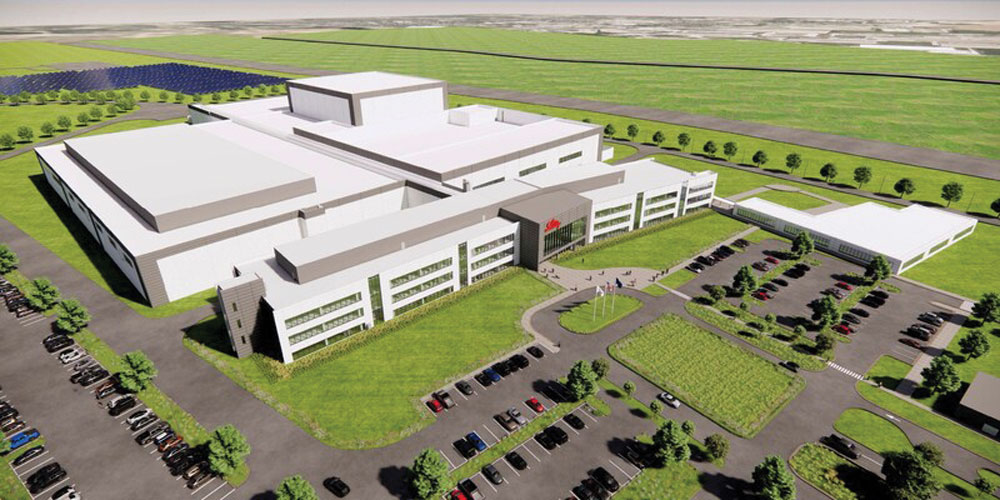
Eli Lilly and Company selected Fogelsville, Pennsylvania for its injectable medicine and device manufacturing plant.
Rendering courtesy of Eli Lilly and Company
Over 700 manufacturers operate through the Lehigh Valley, including leading brands Crayola, Mack Trucks and Martin Guitar. Life sciences activity has been prevalent in the region for years, attracting more than 180 industry establishments from the likes of Thermo Fisher Scientific, Olympus and Sharp. Although fresh investment has seen new projects move in. As recently as September 2025, Germany-based B. Braun announced a $20 million investment to construct a 710,000-sq.-ft. medical device manufacturing facility, creating 200 new jobs in Hanover Township. This is a welcome sign of industry development in a life sciences sector whose workforce has grown by 35% in the past decade.
“Our experience in the past has been, when you land a major anchor, you can grow off it,” says Cunningham. “The Lehigh Valley will be Lilly’s for some time. They have a location with all the right business assets in terms of consumer proximity, a strong workforce and a state that’s invested in them.”
Lilly secured an over $100 million incentive package as part of its investment. The PA EDGE tax credit delivered $50 million, while $25 million came through a PA SITES grant and another $25 million came via a Pennsylvania First grant. Construction is slated to begin this year, until completion in 2031.
The Era of New Jersey Productions
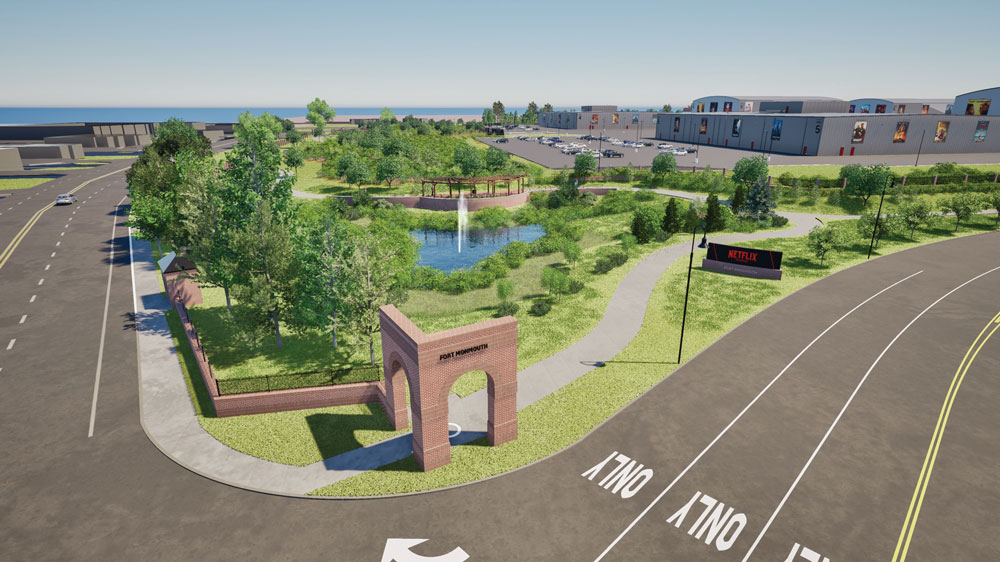
It’s been four years since Netflix announced plans to deliver a highly anticipated $1 billion East Coast production hub to Fort Monmouth in New Jersey. In early January 2026, the media giant officially secured its 292-acre Mega Parcel for $55 million, allowing studio development to advance.
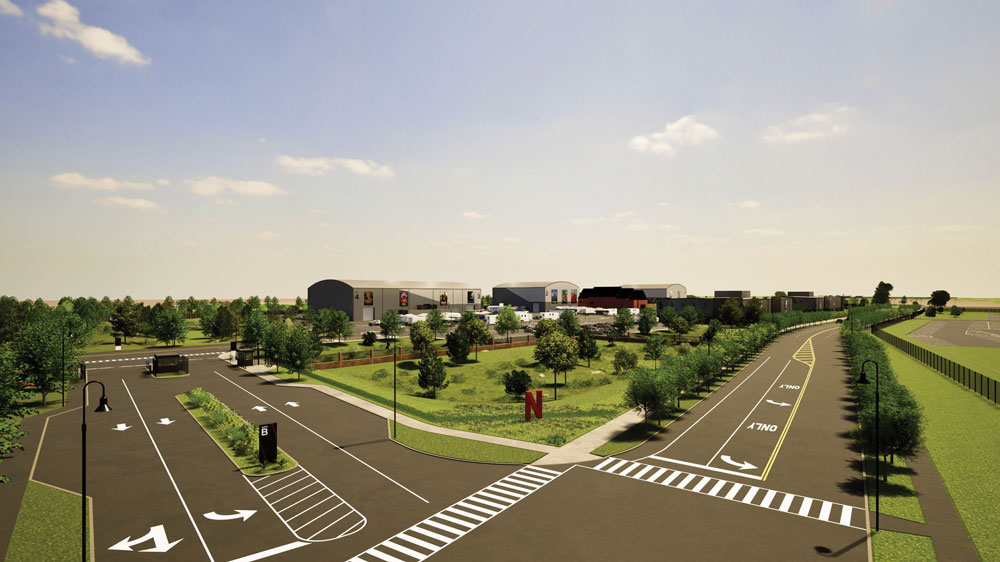
Remnants of a location that once served various operations for the U.S. Army will remain in Netflix’s master plan, as eight out of 100 former Army buildings on the new campus will be preserved. In all, Netflix plans to construct 12 new soundstages spanning almost 500,000 sq. ft., in addition to supporting production facility and community amenities.
Site Selection caught up with Fort Monmouth Economic Revitalization Authority (FMERA) Executive Director Kara Kopach, who originally spoke to the “incredible” investment back in 2023. At the time, she was excited about the trickle-down economic impact toward the surrounding communities in the region, one of which she grew up in. For FMERA the past few years have been filled with administrative work — including negotiations over legal documents, board actions and site plan reviews — that have brought extensive collaboration between FMERA, Netflix and numerous local, county and state agencies.
“On FMERA’s end, the behind-the-scenes work is a bit less glamorous than the state-of-the-art campus that is under construction,” says Kopach. “It’s been incredible to see what’s planned for the future.”
The studio campus marks the largest project on Fort Monmouth, so its timeline is quite a bit longer than other ongoing projects. Kopach says redevelopment here comes with unique challenges, which made it important to set ambitious, yet adequate timelines to achieve necessary milestones. While cleanout and demolition work kicked off in May 2025, Netflix later received amended site plan approval for its East Main Campus in Oceanport in July, whereas site plan approval for its West Main Campus in Eatontown arrived in September.
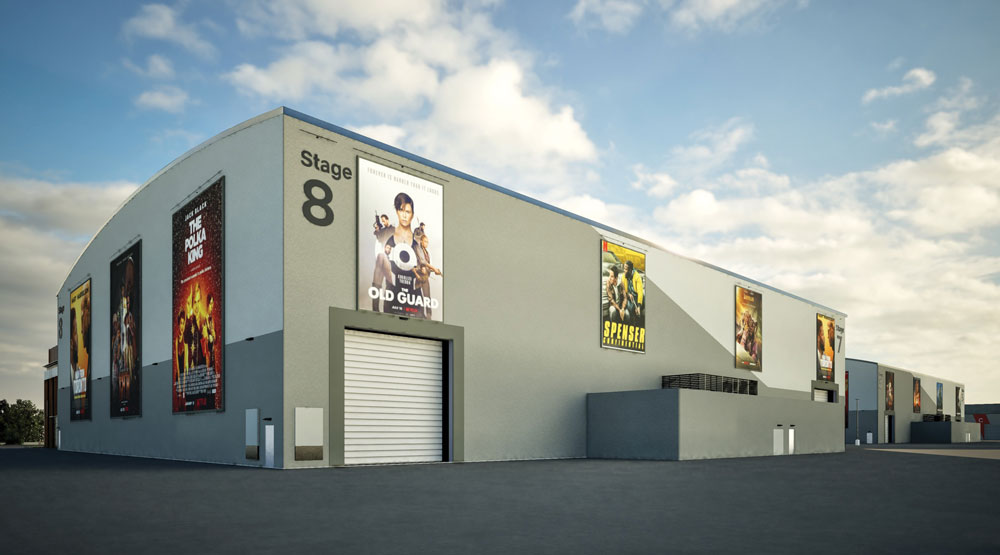
Local interest in the new Netflix studio campus remains high as the site moves toward construction.
Rendering courtesy of Netflix
“Netflix is moving well ahead of their contractual timelines and is committed to being operational more than a year ahead of schedule,” says Kopach.
It’s clear the company is looking forward to expanding its activity in the state, as Netflix has ventured to film over 20 productions in the past year. From “Happy Gilmore 2” and “The Rip” to “Office Romance” and “The Whisper Man,” the company is capitalizing on New Jersey locations, crew, talent and an expanded production-related tax credit as a Studio Partner.
“As we speak, Netflix is shooting two films in the Garden State. And those productions employ over 500 people, both in front of and behind the cameras,” said Netflix co-CEO Ted Sarandos in the company’s January announcement. “That’s good for the industry, and it’s good for the country. The production renaissance in New Jersey is good for American jobs and American competitiveness.”
Local interest has remained firm outside of the over 1,500 direct production jobs coming to Fort Monmouth. Kopach states that FMERA consistently receives inquiries from local vendors and businesses looking in get involved with future Netflix productions at Fort Monmouth. Netflix began managing requests through a dedicated inbox on the studio’s New Jersey website in addition to hosting supplier networking events to open doors to future opportunities.
“We’ve seen an appetite for expediting projects on the Fort in anticipation of Netflix’s campus coming online in 2027,” says Kopach. “There are already a number of retailers, restaurants and other businesses committed to space on the Fort. The announcement of Netflix has further bolstered the interest and excitement in the redevelopment.”
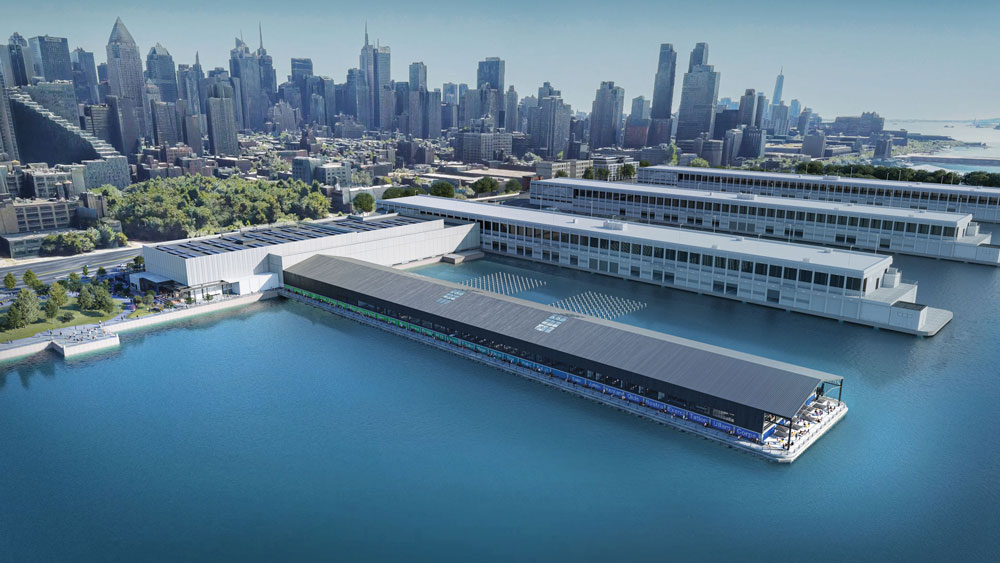
Photos by Cassie McCormick and rendering courtesy of Hudson Pacific
NYC’S NOT GOING ANYWHERE
New Jersey is on the rise in the film and entertainment production business, but the Big Apple is still the big kahuna. A new project in Manhattan aims to make it bigger still.
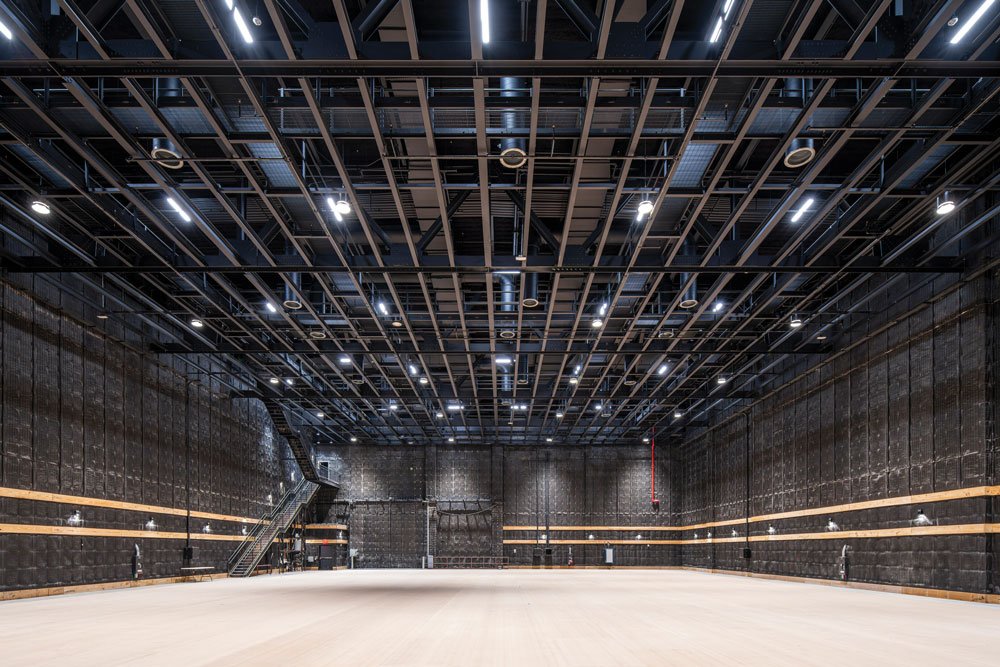
In January, Sunset Pier 94 Studios, Manhattan’s first purpose-built film and television studio facility, officially opened with a ribbon cutting ceremony attended by joint venture partners Vornado Realty Trust, Hudson Pacific Properties and Blackstone Real as well as representatives of New York City Economic Development Corporation (NYCEDC), elected officials, industry leaders and community partners.
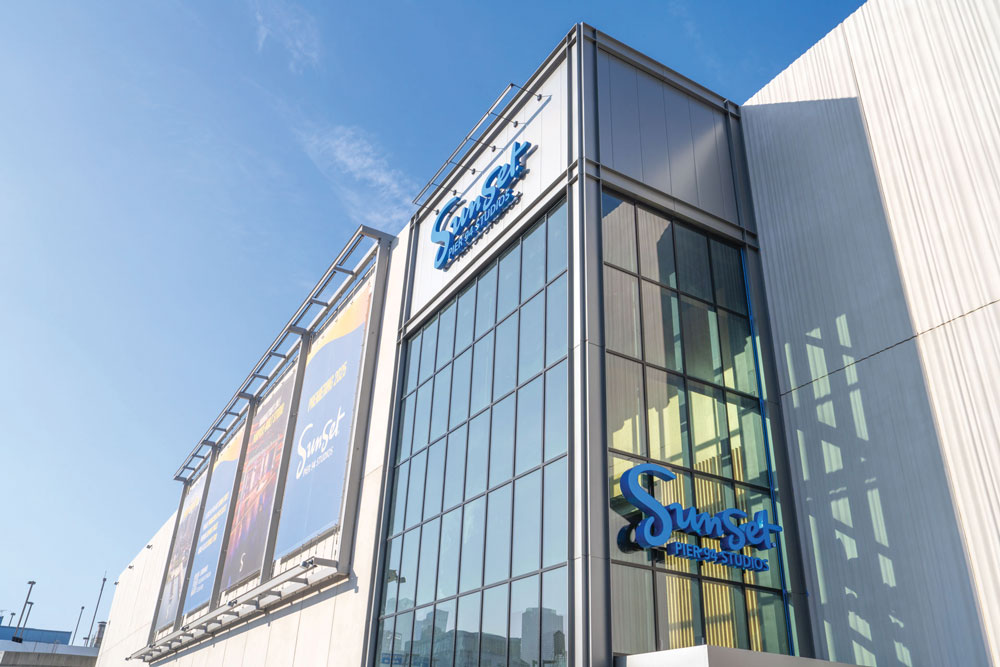
Located on Manhattan’s West Side and designed by Gensler, the development offers 232,000 sq. ft. of leasable space including six purpose-built sound stages and 145,000 sq. ft. of production support space and offices. “The facility’s sound stages feature up to 36-foot clear heights and direct access to a mill where sets can be built,” a release from NYCEDC stated, “while offices and support spaces offer abundant natural light and sweeping Hudson River views.” Paramount Television Studios already has signed a lease to produce the second season of “Dexter: Resurrection” across two sound stages, with additional production office space on site.
The opening coincides with New York State’s recently expanded film and television tax credits, NYCEDC noted. Sunset Pier 94 Studios is expected to create 400 permanent jobs and contribute $6.4 billion to the local economy over the next 30 years. — Adam Bruns