STACKING CHIPS IN COLORADO
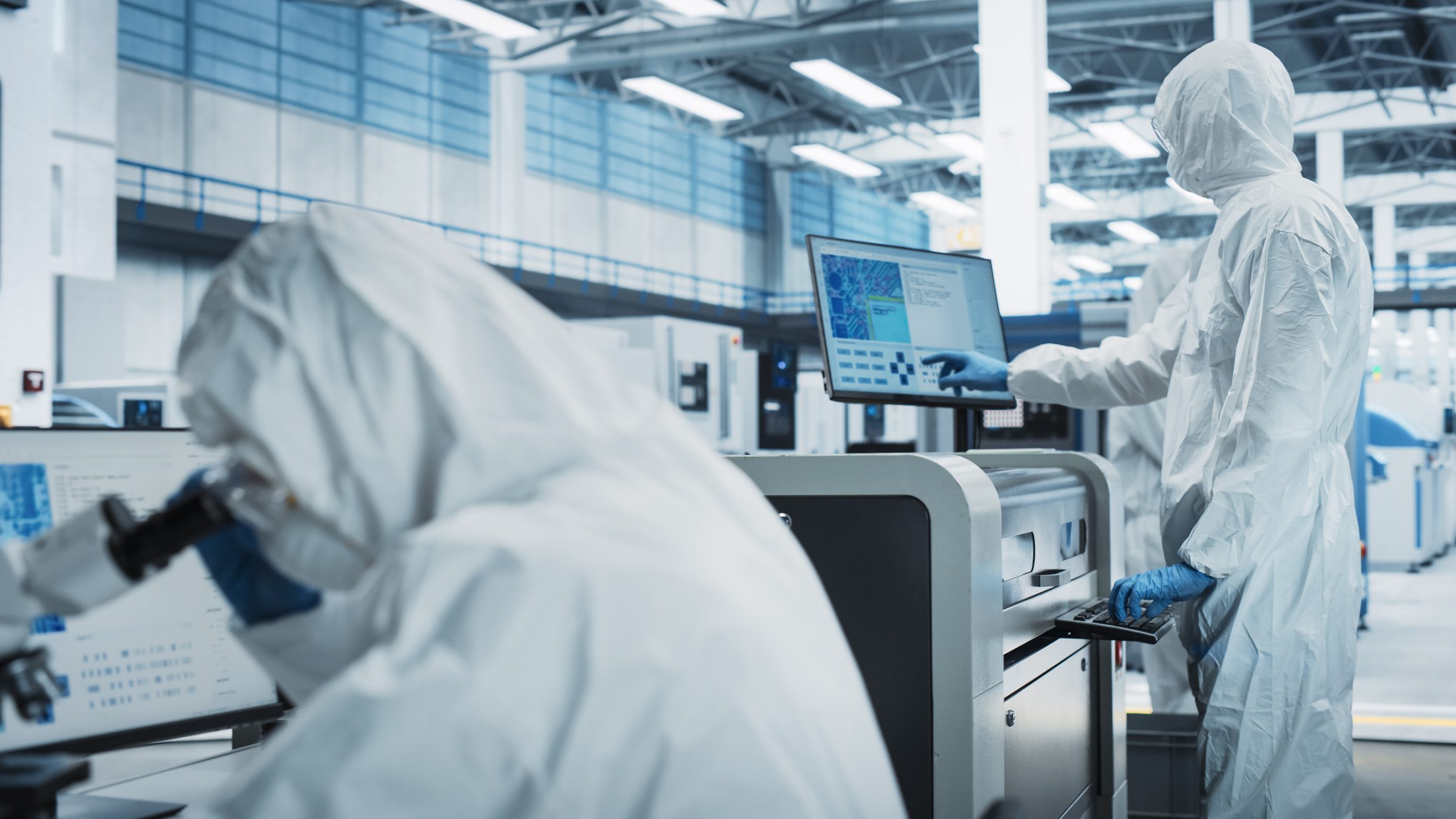
Semiconductor manufacturing company Broadcom is set to expand its Colorado production presence upon entering a new agreement with Apple for custom silicon components and wireless connectivity technologies. In what will become Apple’s largest American Manufacturing Program investment to date, the company has committed over $30 billion toward Broadcom. The partnership seeks to introduce more than 15 billion chips, creating a domestic end-to-end silicon supply chain. Broadcom plans to invest $1.5 billion to expand and modernize its production facilities located in Fort Collins. Once complete, the company will begin production of advanced radio frequency components and wireless connectivity technologies. “The cutting-edge components built in Fort Collins are essential to delivering the incredible performance and connectivity our customers expect,” said Apple CEO Tim Cook. “We’re proud to deepen our investments in U.S.-based suppliers that share our commitment to excellence and innovation.” Apple’s official press release noted that the initiative will support hundreds of American jobs.
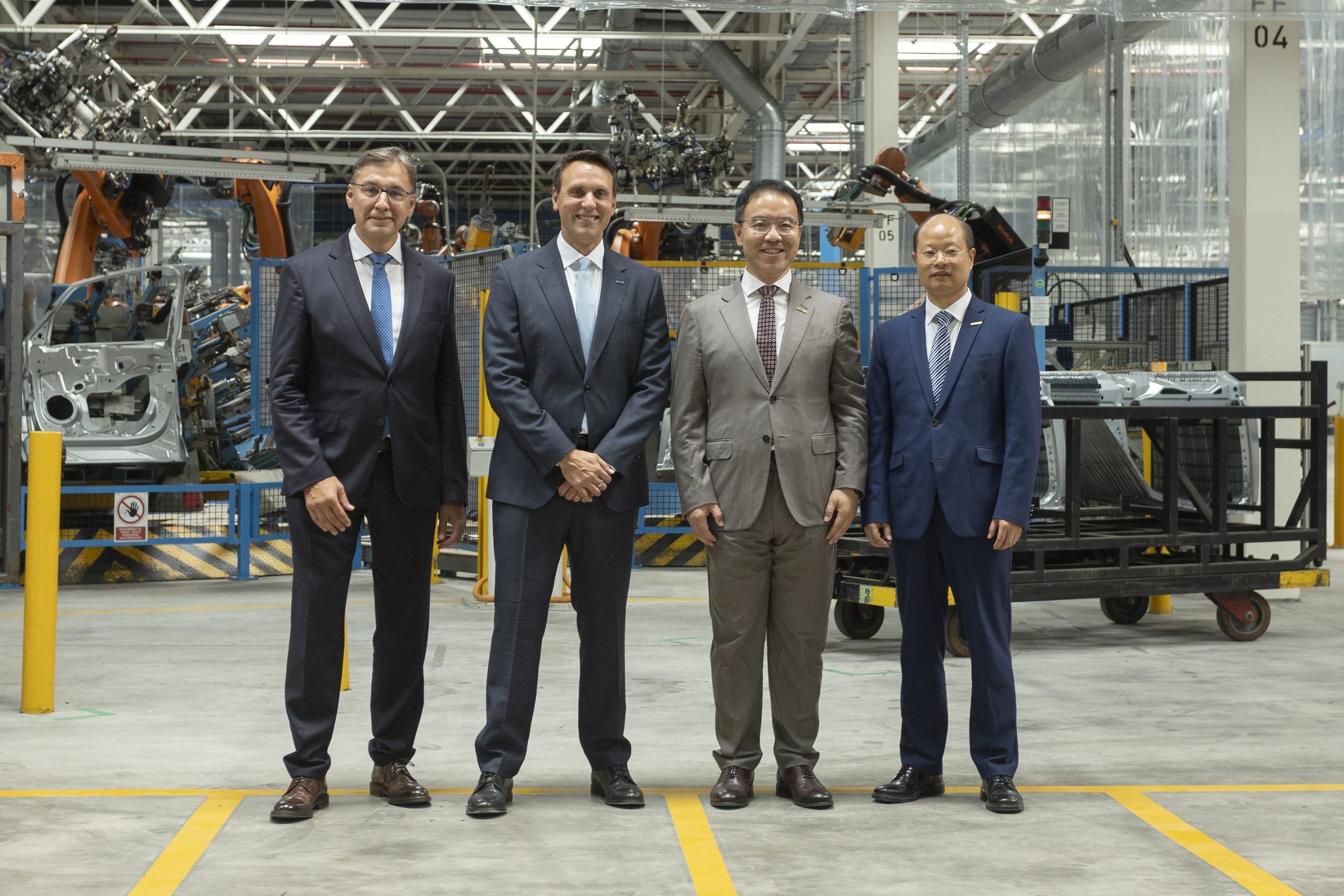
Photo courtesy of Ford Motor Company
CHINA’S GEELY PARTNERS WITH THE BLUE OVAL IN SPAIN
Within Ford’s manufacturing hub in Valencia, Spain, Geely Automobile Holdings will soon partner with the company to pursue a new Europe-focused joint venture. The duo is aiming to produce multi-energy passenger vehicles, upon receiving regulatory approval which will allow operations to begin as soon as 2027. By combining production and maximizing capacity at Ford’s Valencia campus, both companies seek to lower vehicle costs for new-generation low- and zero-emission vehicles for European consumers. Models to be included in the site’s operations will be Ford’s Kuga plug-in hybrid, a new Bronco SUV and a multi-energy crossover model developed alongside Geely Auto, which will also introduce production of two electric SUVs. With a potential production capacity of 500,000 vehicles annually, the JV anticipates its first vehicles to roll off the manufacturing line by 2028.
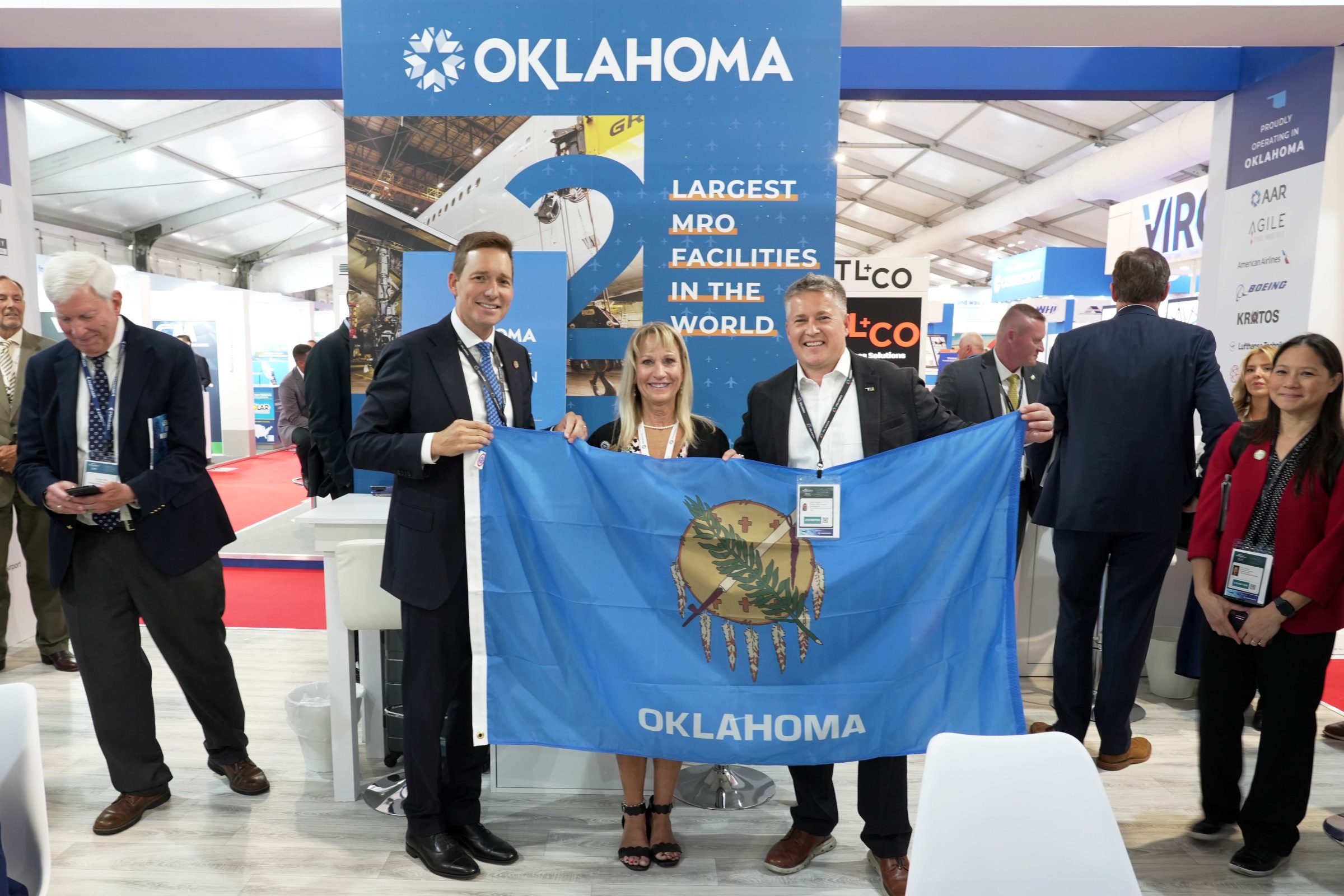
Photo courtesy of the Oklahoma Department of Commerce
A NEW BEGINNING IN OKLAHOMA’S AEROSPACE ECOSYSTEM
The Tulsa International Airport in Oklahoma is preparing to support a new $65 million manufacturing facility proposed by Kansas-based Park Aerospace Corporation, according to an announcement last week. The advanced composite materials and engineering structures manufacturer is set to construct the new facility on 18 acres of the airport’s North Development Area this year, with completion slated for 2028. The initiative will help Park Aerospace to expand its aerospace composites production, while creating more than 100 direct jobs in the region. “It will be a privilege to join the wonderful Tulsa community. Park has come a very long way since we started in 1954 with almost nothing in that little garage in Woodside, Queens,” said Park Aerospace Chairman and CEO Brian Shore. “But, to us, our new home at the Tulsa International Airport represents an exciting new beginning for our company.”
Reports compiled and written by Alexis Elmore