A RARE FIRST IN SOUTH CAROLINA
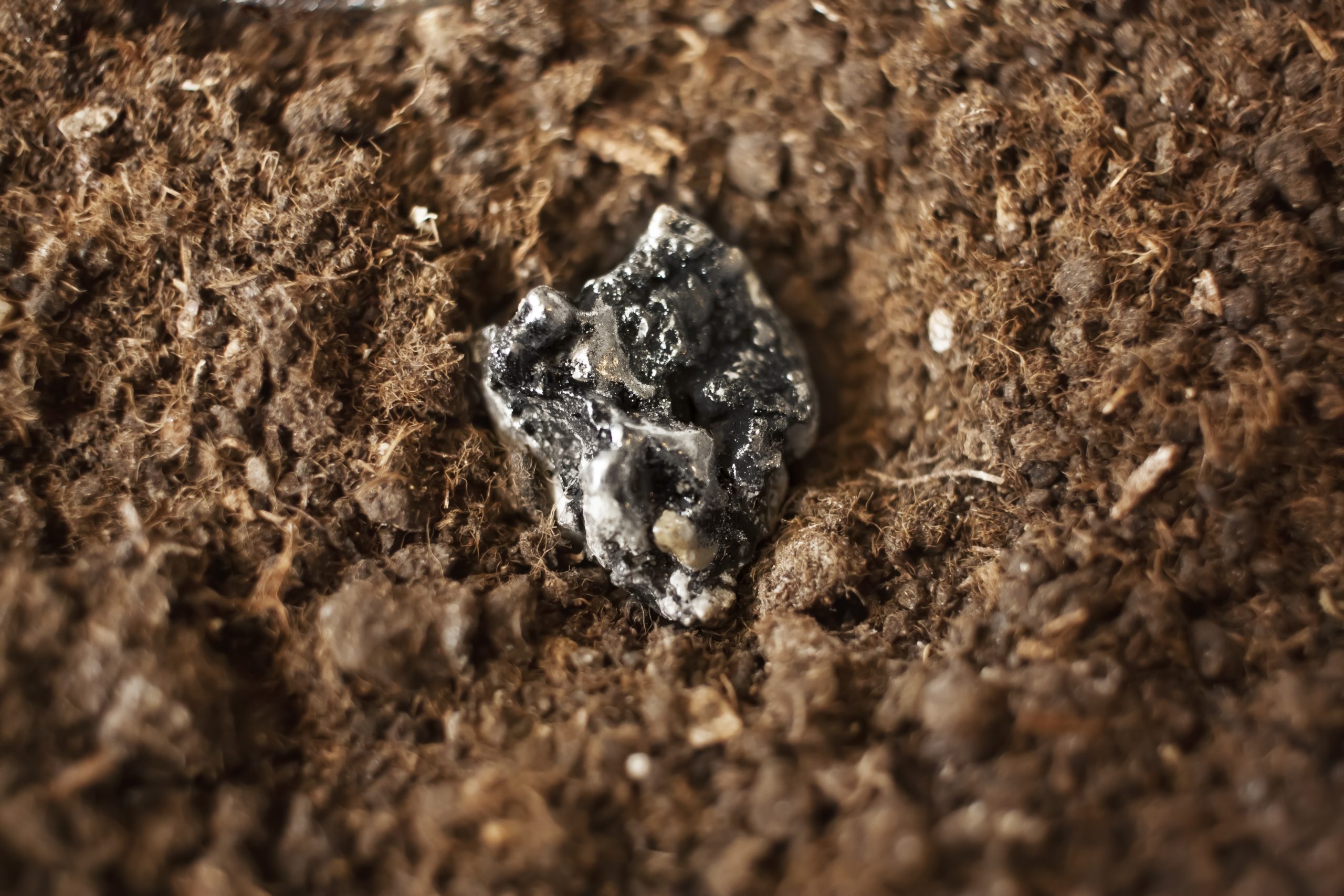
Last week, Oklahoma-based USA Rare Earth unveiled the selection of Blacksburg, South Carolina, as the future home for its first operations in the state. Located in Cherokee County along I-85 halfway between Spartanburg and Charlotte, the rare earth and critical minerals mining and manufacturing company will invest $1.2 billion to construct a new production facility at Bailey Industrial Park. Operations, which are anticipated to launch in 2028, will focus on production of neodymium-iron-boron permanent magnets and refined rare earth metals. The facility will handle critical functions ranging from electrolysis, metallothermic reduction, strip casting and jet milling to dry pressing, sintering, heat treatment, machining and coating. “Cherokee County is the next critical link in the rare earth and magnet value chain we’re building across the United States, United Kingdom, Europe and around the globe,” said USA Rare Earth CEO Barbara Humpton. “South Carolina offered the workforce, the infrastructure and the partners we needed to move quickly. With this investment, we’re bringing home the advanced manufacturing capabilities that America and its allies depend on, from the factory floor to the front lines.” The new facility is set to complement current magnet production capacity at the company’s site in Stillwater, Oklahoma, which began operations in March 2026.
Photo: Getty Images
FRANCE’S AI VALUE CHAIN BOOST
Private investment firm Ardian, in partnership with its portfolio company Verne, has announced plans to deliver a 500-megawatt (MW) data center campus within the Île-de-France region of France. The $5.8 billion data center project will support high-performance computing, AI model training and advanced industrial applications, leveraging Verne’s expertise in delivering low-carbon data center infrastructure throughout Northern Europe. “This project marks a strategic milestone in Verne’s development as a leading European platform for digital infrastructure dedicated to artificial intelligence and high-performance computing,” says Verne CEO Dominic Ward. “It illustrates our ambition to establish infrastructure in France capable of meeting the needs of major European industrial and technology players.” The region, which encompasses eight administrative departments centered around Paris, was selected as the duo look to build out an ecosystem of infrastructure operators, energy companies, digital technology firms, research centers and higher education institutions to accelerate AI innovation. The initial phase of development aims to introduce the first 200 MW of capacity by 2030, scaling in phases to follow.
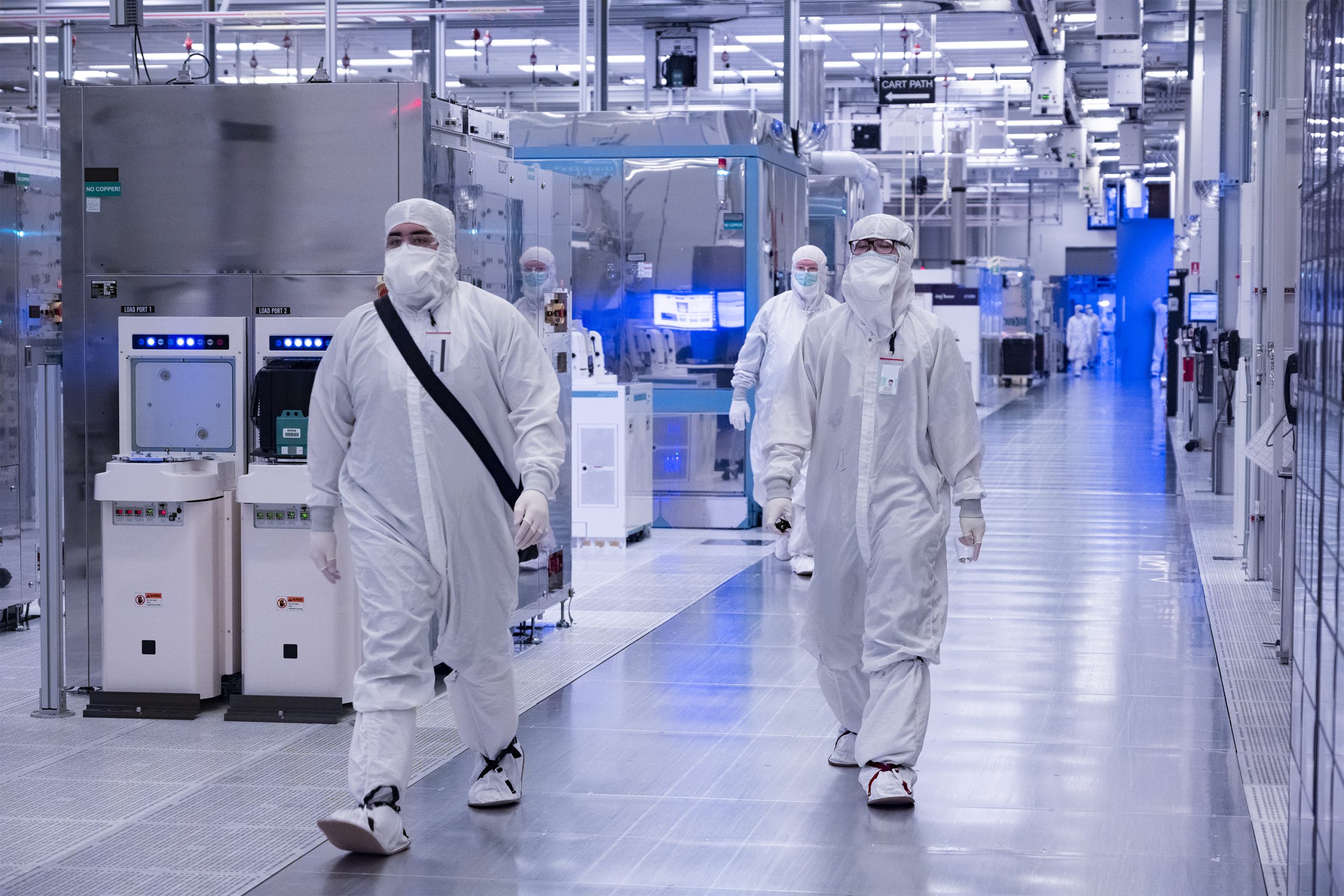
Photo courtesy of Walden Kirsch/Intel Corporation
ODISHA GAINS INTEL
In the Eastern Indian state of Odisha, Intel and 3D Glass Solutions (3DGS) are set to pursue development of a new advanced packaging glass core substrate manufacturing facility. The $3.3 billion facility is set to head to the Bhubaneswar-Khurda region of the state and is expected to be built out over the next five to six years. “This transformative investment will create high-skilled employment opportunities for our youth, attract ancillary industries and accelerate Odisha’s transition from traditional industries to advanced manufacturing, innovation and knowledge-driven growth,” Odisha Chief Minister Mohan Charan Majhi wrote in a social media post in May. Substrates serve as the bedrock material for producing semiconductor devices and this project directly aligns with the state’s goal of enhancing its advanced manufacturing industry. Aside from advanced packaging glass core substrates, the new plant with also focus on high-density interconnect substrates and associated semiconductor technologies.
Reports compiled and written by Alexis Elmore