A MULTIBILLION-DOLLAR FINAL INVESTMENT DECISION REACHED
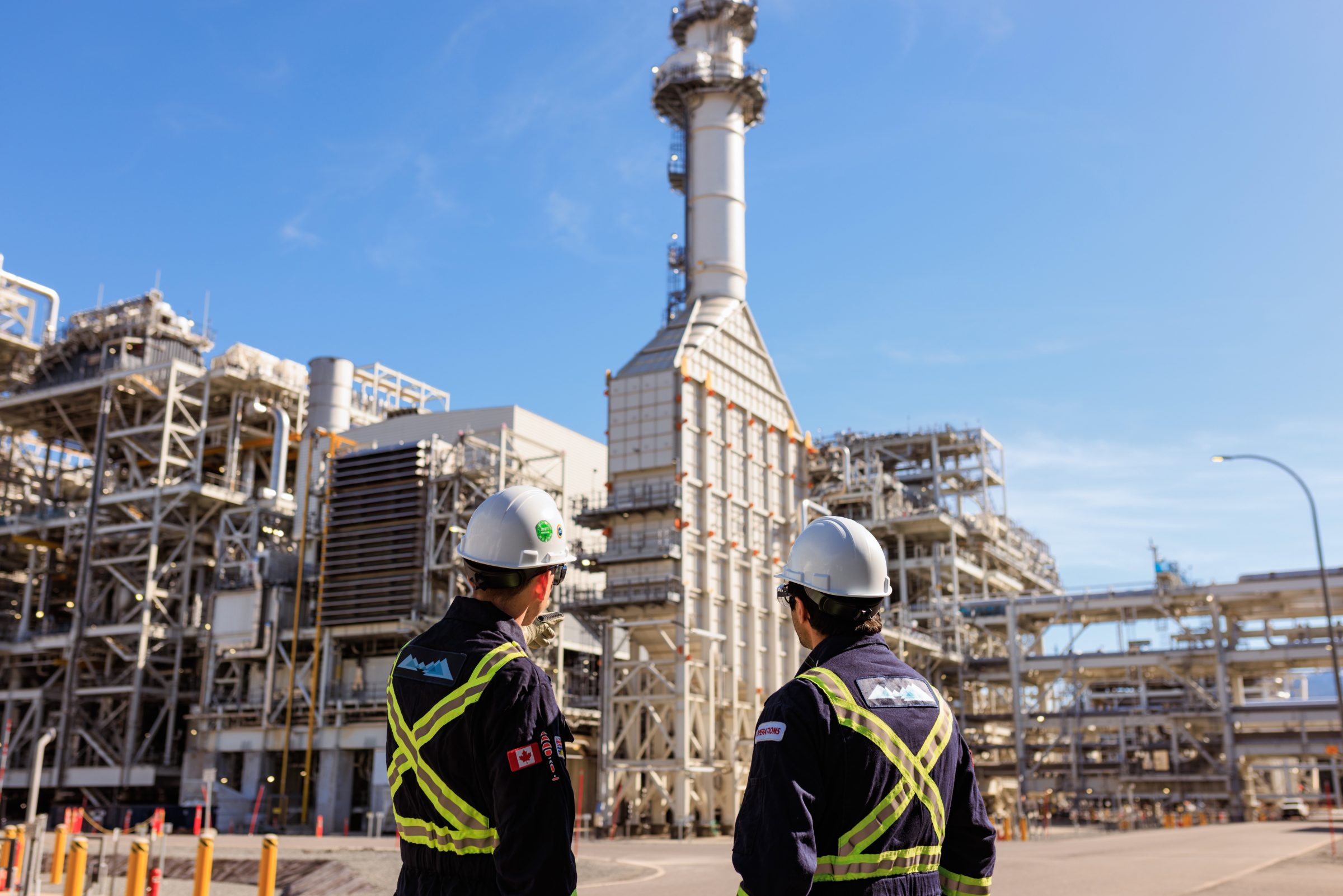
Last week, LNG Canada shared news of an over $23 billion Final Investment Decision toward the Phase 2 expansion of Canada’s first large-scale LNG export facility. The five Joint Venture Participants pursuing the development — KOGAS, Mitsubishi Corporation, PetroChina, PETRONAS and Shell — now aim to double LNG Canada’s annual capacity from 14 million tons to 28 million tons. Phase 2 will introduce two new LNG processing units at the site located in Kitimat, British Columbia, in addition to an extra LNG storage tank, condensate tank, loading berth and expanded utility and process systems. It was also announced that LNG Canada had entered into commercial agreements to act as execution manager to work with Coastal GasLink to expand its current 416-mile pipeline by constructing five new compressor stations. This expansion is expected to create 4,000 new construction jobs at the Kitimat site, while construction of the compressor stations will create up to 2,100 additional jobs. “Phase 2 is about much more than tons,” said LNG Canada President and CEO Chris Cooper. “It will create thousands of jobs and further strengthen Canada’s role as a trusted energy partner, bringing more responsibly produced Canadian LNG to global markets while supporting long-term prosperity at home.”
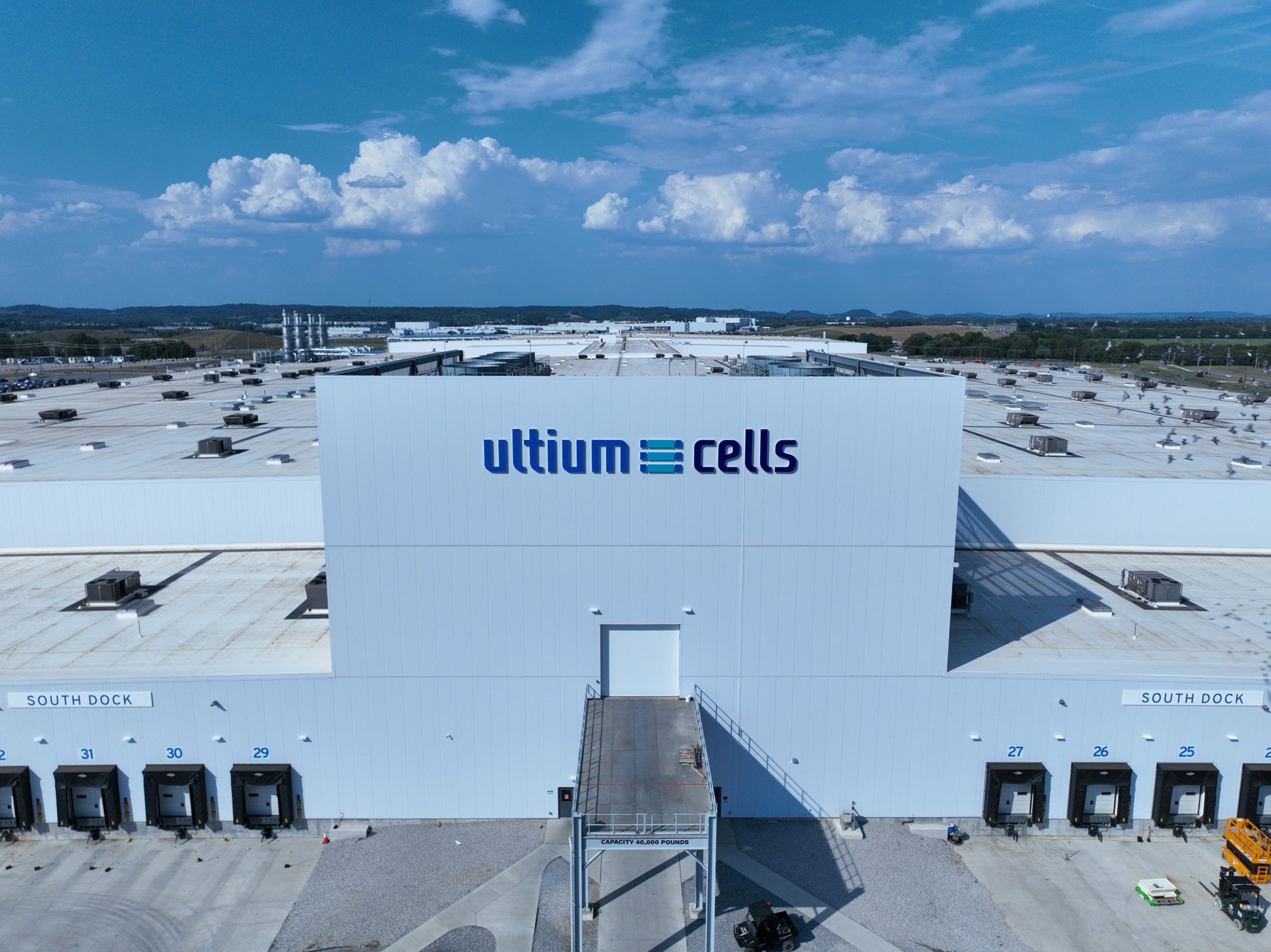
Photo courtesy of Ultium Cells
AN AFFORDABLE BATTERY CELL ADDITION
Ultium Cells, a joint venture between LG Energy Solution and General Motors, has announced plans to retool and diversify operations at its battery cell manufacturing facility in Spring Hill, Tennessee. The site originally established to supply battery cells to GM’s Spring Hill assembly plant will now see a $1 billion investment to introduce production of prismatic lithium manganese-rich (LMR) battery cells. Ultium Cells will become the first in the world to mass produce LMR cells, which offer an energy density 33% greater than lithium iron phosphate while carrying a comparable cost. “Establishing LMR prismatic cell production at Ultium Cells in Spring Hill is a key step in GM’s strategy to match the right battery technology to customer needs and strengthen our leadership in domestic battery manufacturing and innovation,” said GM Vice President of Battery and Sustainability Kurt Kelty. “High-nickel batteries will continue to give customers the highest range in our portfolio, while adding LMR positions us to leapfrog today’s more affordable chemistries and deliver lower costs with better performance.”
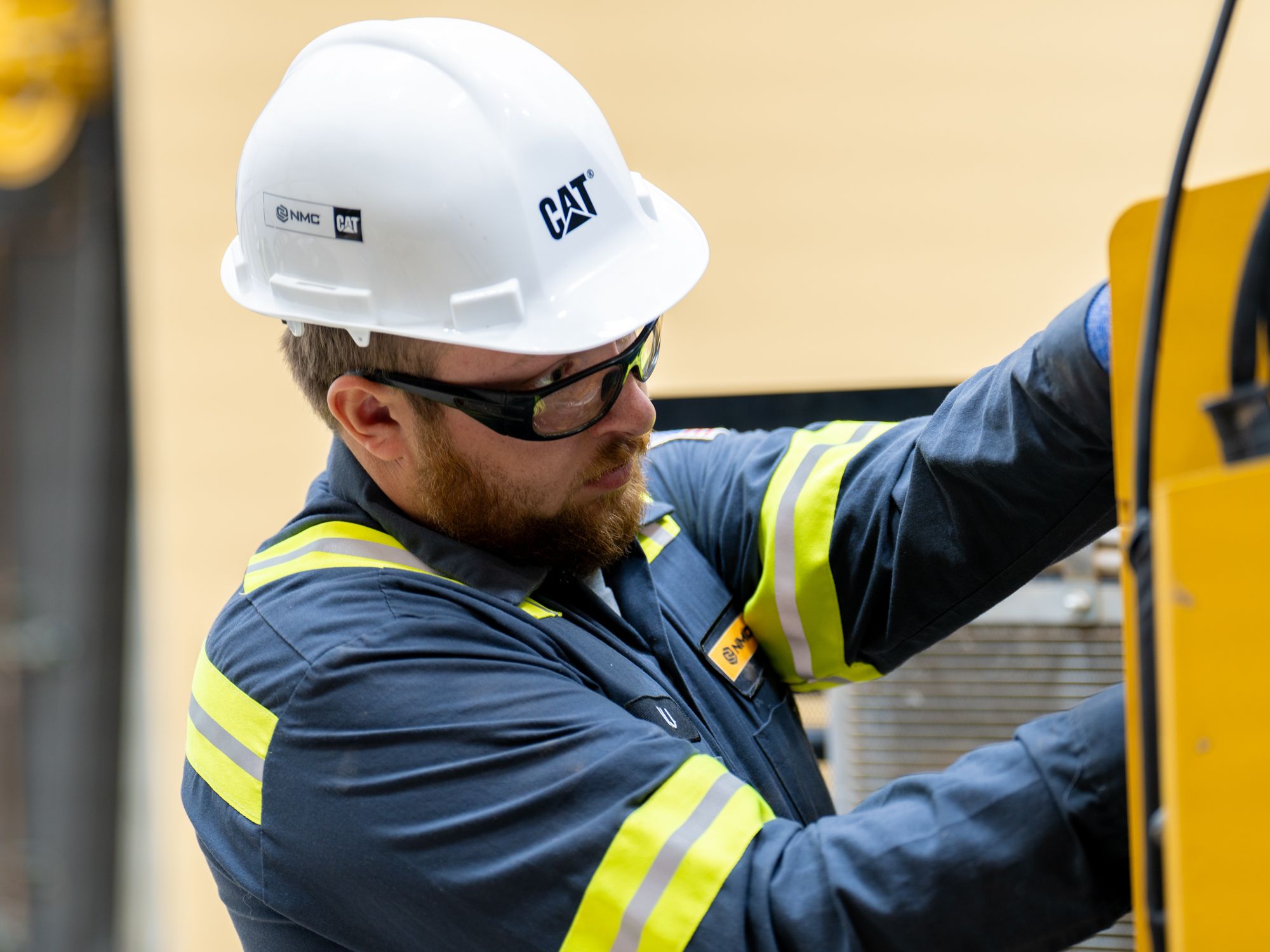
Photo courtesy of Caterpillar Inc.
NO WAIT FOR CATERPILLAR’S COMPACT EQIUPMENT SUPPLY
In order to support its growing Cat Compact℠ business, Caterpillar Inc. has plans for a new $1 billion manufacturing facility in North Carolina. The new facility will be located in Sanford, a city about 68 miles southwest of Raleigh, increasing current production capacity of compact truck loaders and telehandlers. These machines are used throughout construction, landscaping, agriculture and material handling applications. The company chose to build upon its operations in the state due to the strength of its local workforce and the opportunity to expand existing manufacturing operations in Sanford. “As demand for compact equipment continues to increase, we’re investing to better serve this growing segment of customers,” said Caterpillar Construction Industries Group President Rod Shurman. “This investment is another way we are solving our customers’ toughest challenges by expanding access to the products, solutions and services they need to work more efficiently.”
Reports compiled and written by Alexis Elmore