BILLION-DOLLAR RUBBER MEETS GEORGIA ROADS
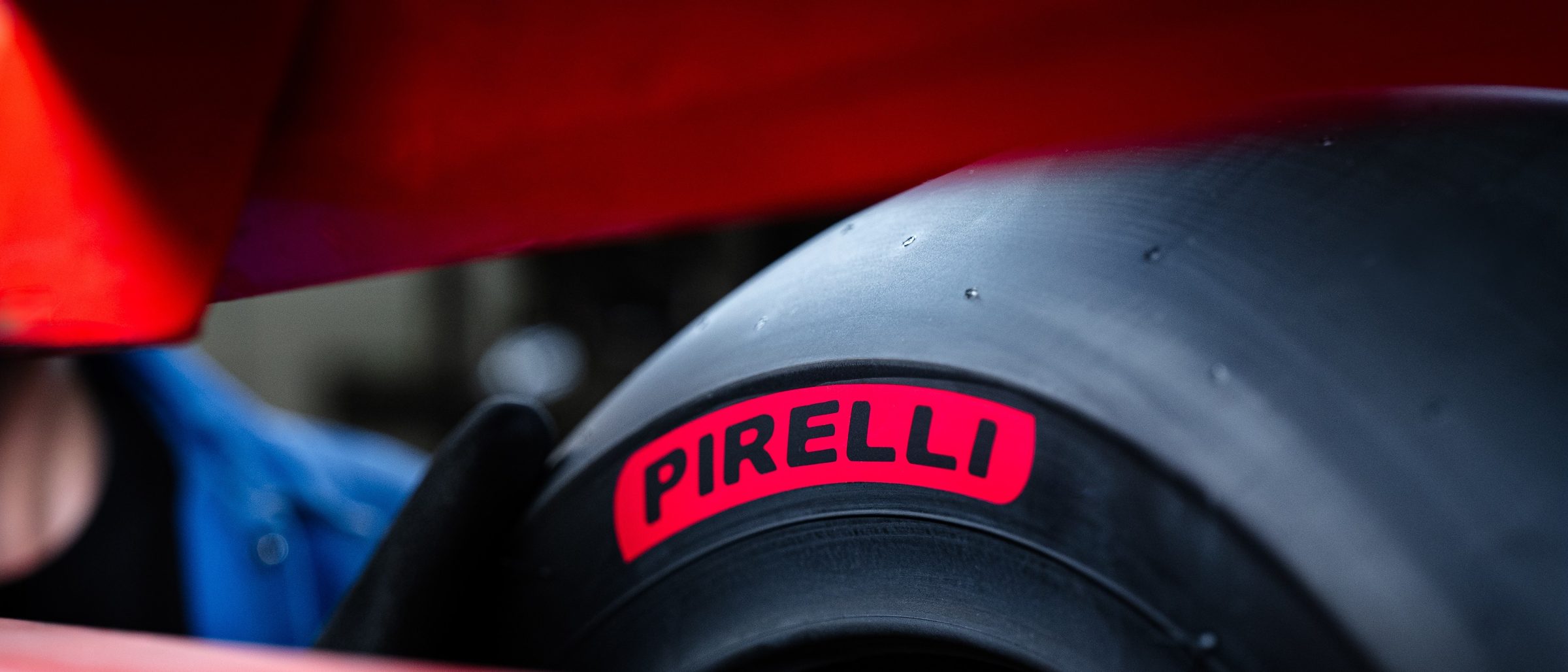
Italy-based tire manufacturer Pirelli announced plans to expand its U.S. headquarters and manufacturing plant in Rome, Georgia last week. The $1.2 billion investment is designed to support the company’s local-for-local strategy, enhance supply chain resilience and boost its U.S.-based manufacturing presence. Expansion activity will take place in two phases over several years, beginning in 2027. This work will scale the facility’s annual production capacity to 6 million tires once the project reaches completion in 2033. The first phase will focus on gradually increasing robotized production using Pirelli’s latest Modular Integrated Robotized System technology, an autonomous system that produces technologically advanced high value tires. “The U.S. is one of Pirelli’s most important markets and offers significant opportunities for growth,” said Pirelli North America CEO Claudio Zanardo. “This investment will allow us to better serve the needs of the local market, create new jobs and further strengthen Pirelli’s presence in North America.”

Getty Images
QUANTUM EXPERTISE SELECTS VIRGINIA
When looking to establish a North American headquarters, UK-based quantum algorithms company Phasecraft decided to select Arlington, Virginia to support growth in the U.S. market. The HQ site is located within the city’s Rosslyn-Ballston corridor with proximity to strategic federal and defense agencies and private sector partners, in addition to the U.S. Defense Advanced Research Projects Agency (DARPA) and George Mason University’s FUSE innovation campus. This move follows recent momentum seen by the company, as Phasecraft joined DARPA’s Quantum Benchmarking Initiative program this year with plans to leverage its proprietary software and algorithms to inform verification and validation efforts. In addition, the company was selected by the Advanced Research Projects Agency-Energy for the agency’s Quantum Computing for Computational Chemistry program to develop quantum algorithms for simulating and discovering new advanced catalysts for the energy sector. “Phasecraft’s new Arlington headquarters represents a significant milestone for the company.” said Phasecraft Co-founder and CEO Ashley Montanaro. “As our work with agencies across the U.S. government and the private sector continues to grow, so too will our American workforce.”
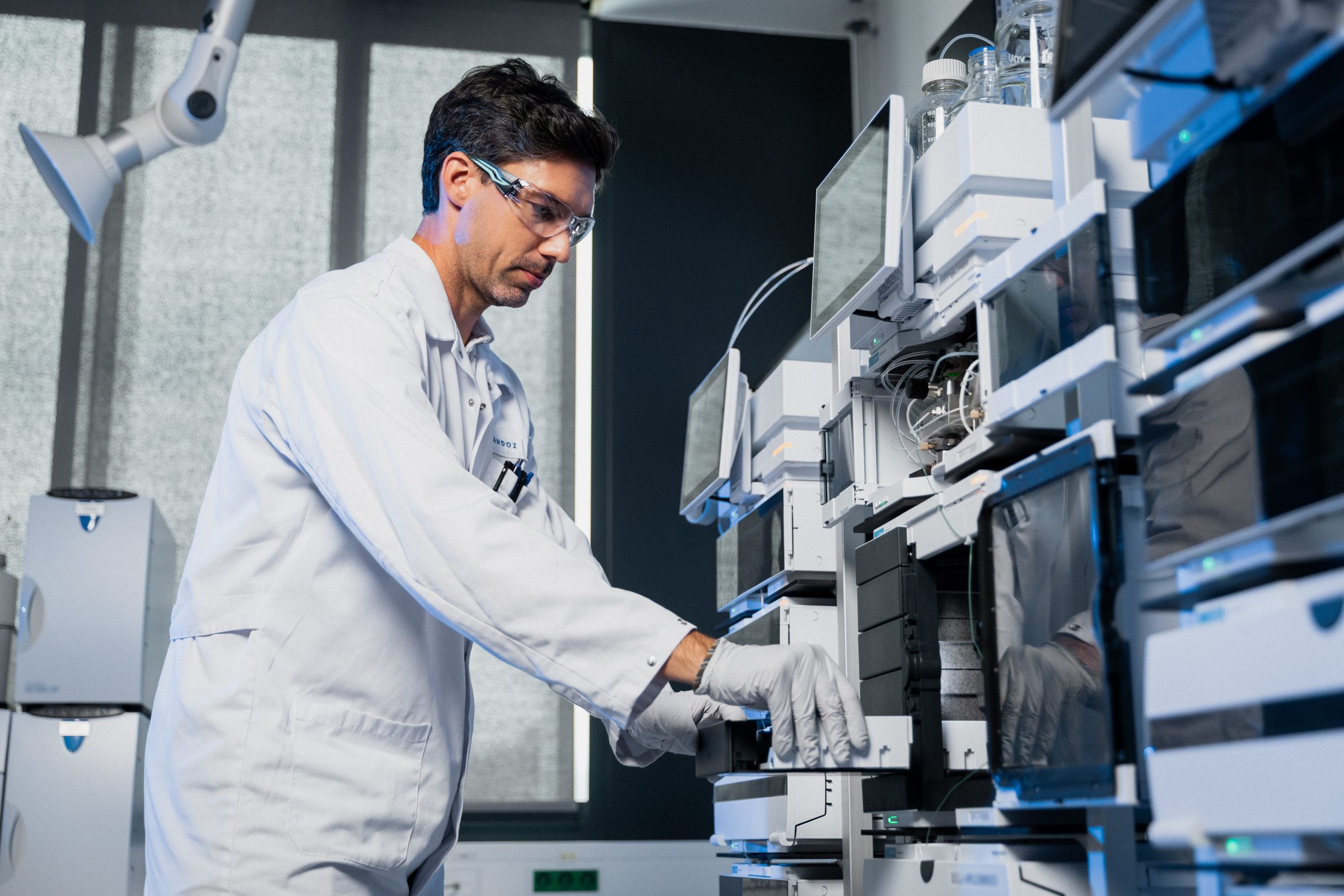
Photo courtesy of Sandoz
SANDOZ RETURNS TO EXPAND IN SLOVENIA
A new $300 million biosimilar drug substance facility is in the books for Slovenia’s capital city Ljubljana. The investment comes from Swiss pharmaceutical manufacturer Sandoz, who had recently launched operations at its $99 million biosimilar development center in the city in June 2026. Adjoining the same site, Sandoz will construct a new manufacturing facility that will strategically expand in-house production capacity and flexibility while strengthening the company’s end-to-end biosimilar development in Europe. The facility will house four disposable fed-batch reactors when complete, anticipating an additional 8,000 liters of capacity to support clinical and commercial manufacturing. Positioning next to the development center will support technology transfer, accelerate scale-up and strengthen operational control across the medicine lifecycle, according to the company’s press release. “Expanding our manufacturing network strengthens our ability to support future portfolio growth, create long-term value and increase patient access to affordable medicines, while extending our position as the pioneer and global leader in biosimilars,” said Sandoz CEO Richard Saynor. Operations are expected to launch in 2029.
Reports compiled and written by Alexis Elmore