EDITOR’S NOTE:
The project records appearing every week in the Site Selection Project Bulletin are pulled from the
Conway Projects Database, a proprietary resource with tens of thousands of records
of corporate end-user facility investments across all industry sectors and all world
geographies. Want to look for our projects yourself? Look
here.
Missile Investment Strikes Newcastle
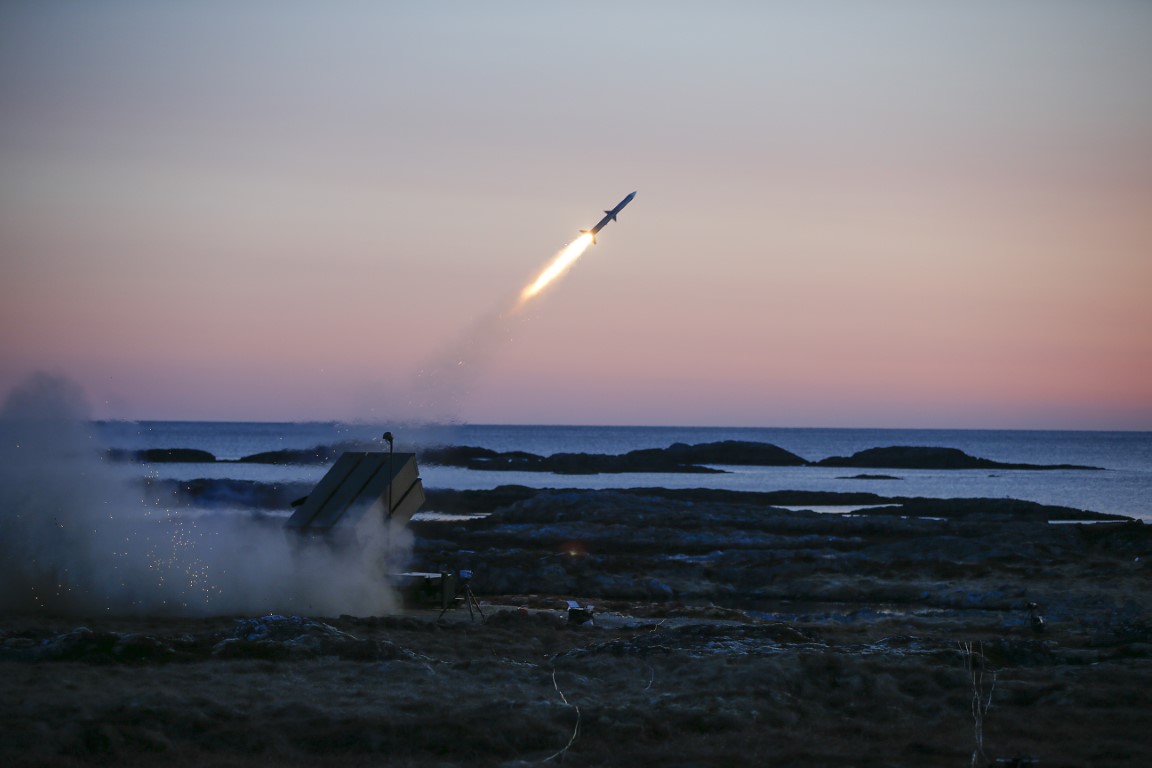
Kongsberg Defence’s Norway location was the first in the world to manufacture both naval strike and joint strike missiles.
Photo courtesy of Kongsberg Defence & Aerospace
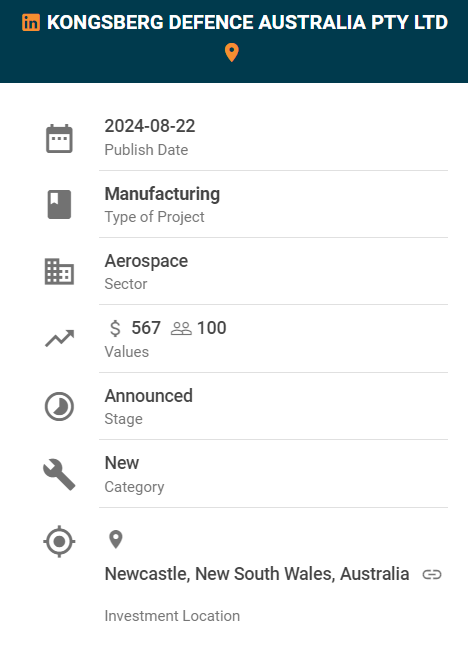
Thanks to an $850 million partnership between the Australian government and Norway-based Kongsberg Defence, a new long-range missile manufacturing facility is coming to the Newcastle Airport precinct by 2027. The facility will produce long-range naval strike and joint strike missiles for the Australian Defense Forces and potentially the U.S. military. In the eastern Australia state of New South Wales construction is set to begin in the harbor city of Newcastle sometime this year. Outside of Kongsberg’s Norway facility, this new site north of Sydney will be the only location in the world fit to produce these missiles.
ADVERTISEMENT
Moving Into Southeast Asia
Haier has decided to tap into the Thailand air conditioner market with the construction of its first facility in Nong Yai.
Photo courtesy of Haier
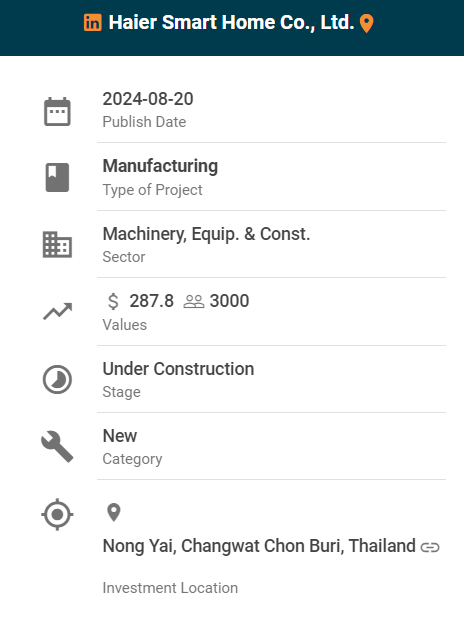
China-based electronics and home appliance manufacturer Haier has announced plans to pursue operations in Thailand, marking the company’s first investment in Southeast Asia. A project investment of $287.8 million will be used to build out an air conditioner manufacturing plant in the country’s Chon Buri province. This location is a strategic play for Haier, noting Thailand’s geographical advantages for accessing customers. The facility will be built out in phases, the first of which will be operational by 2025, producing 3 million air conditioning units per year. The final two phases are expected to be complete by 2027 and will create 3,000 new jobs.
ADVERTISEMENT
Ghana Energizes Petroleum Hub
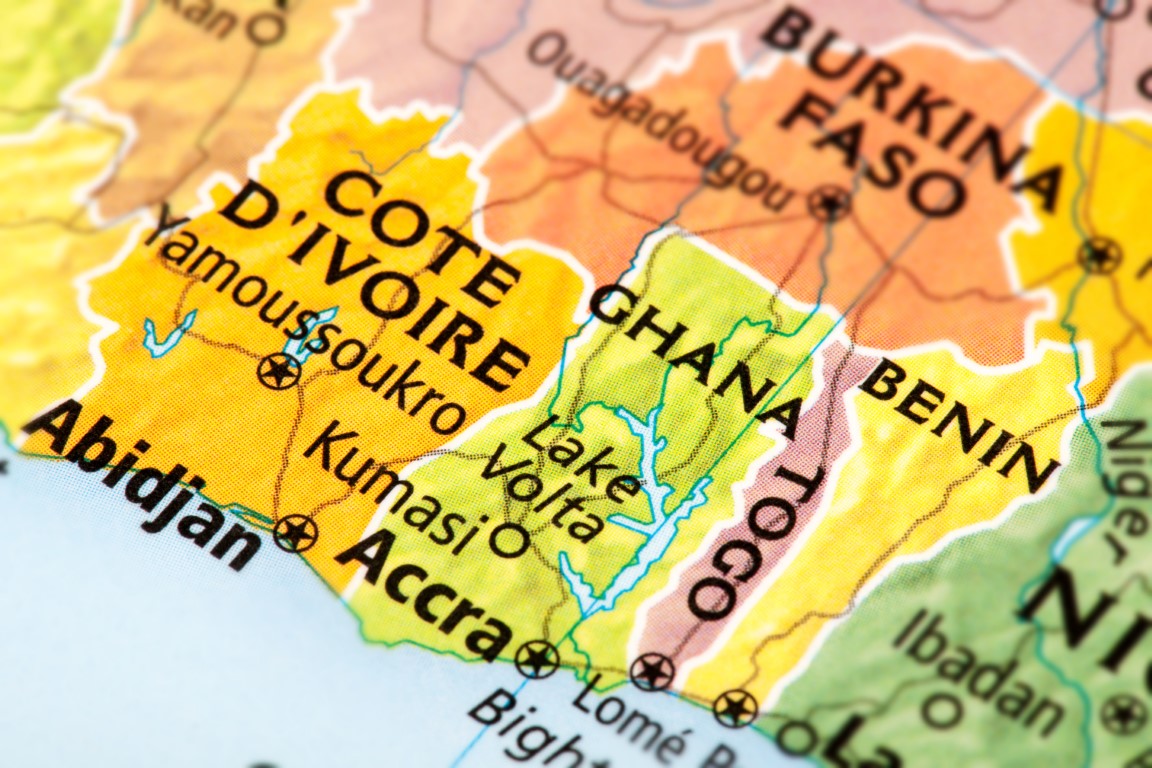
The Petroleum Hub Project is positioned to aid Ghana in reaching its goals for energy independence.
Getty Images
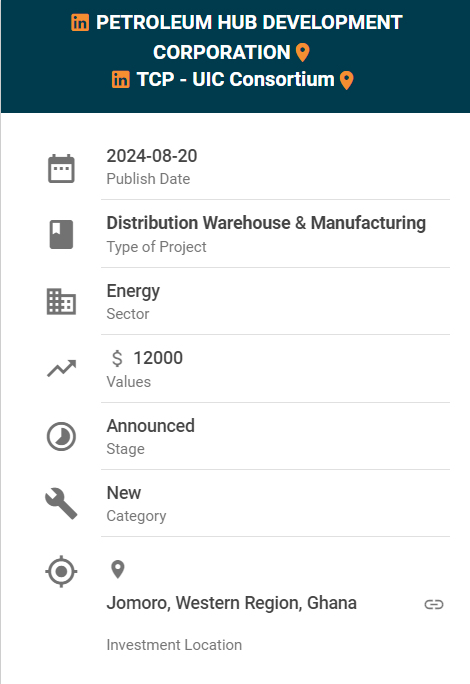
A $12 billion investment, dubbed the “Petroleum Hub Project,” will be a game changer for Ghana’s role in Africa’s energy sector. A groundbreaking ceremony was held in mid-August to begin the first phase of construction. Once all three phases are complete the facility will house a 300,000-barrels-per-day refinery, a petrochemical plant, storage and port facilities. Upon completion, the Petroleum Hub Project will support activity within the establishment of a new Jomoro Petroleum Hub Development Corporation, which plans to train 200,000 residents to enter the industry. The project itself is set to create 780,000 direct and indirect jobs within the region.
Reports compiled and written by Alexis Elmore, edited by Adam Bruns
Colorado is ranked No. 3 in the U.S. in the Beacon Hill Institute’s latest State Competitiveness Report, based on 44 economic indicators in eight categories: government and fiscal policy, security, infrastructure, human resources, technology, business incubation, openness and environmental policy. Among those groupings, Colorado scored highest (No. 2) for infrastructure, which includes such indicators as mobile phones per 1,000, high-speed lines per 1,000 and air passengers per capita. Colorado scored No. 6 for technology and No. 8 for business incubation.
Long before Facebook, Google and Yahoo became household names, the central U.S. was laying the foundation for what would become the most vital infrastructure of the world's three biggest Internet companies.
For the third year in a row, the Golden State leads the field in our annual index of sustainability. How territories and companies work together to manage resources and reduce their footprints while still remaining economically productive will determine whether that finding is prophetic or a catalyst for some very quick changes.