EDITOR’S NOTE:
The project records appearing every week in the Site Selection Project Bulletin are pulled from the
Conway Projects Database, a proprietary resource with tens of thousands of records
of corporate end-user facility investments across all industry sectors and all world
geographies. Want to look for our projects yourself? Look
here.
Welcome to Singapore
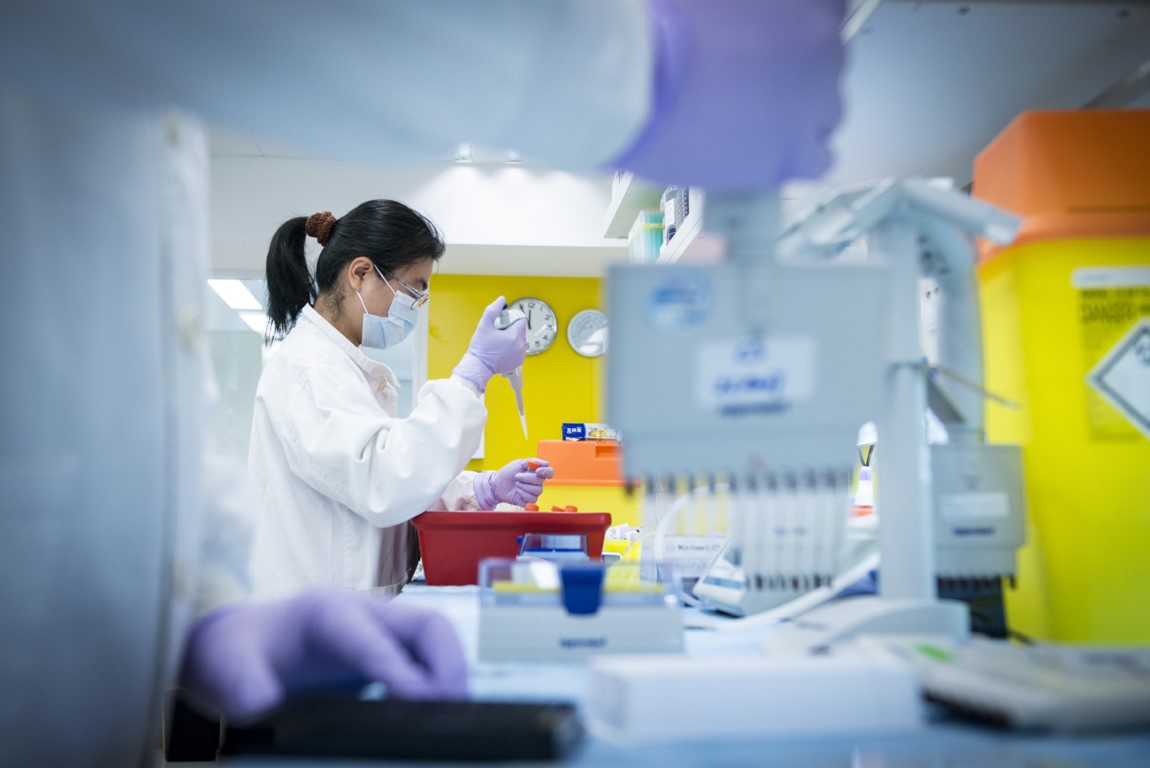
Global pharmaceutical company AstraZeneca brings cancer treatment production to Singapore.
Photo courtesy of AstraZeneca
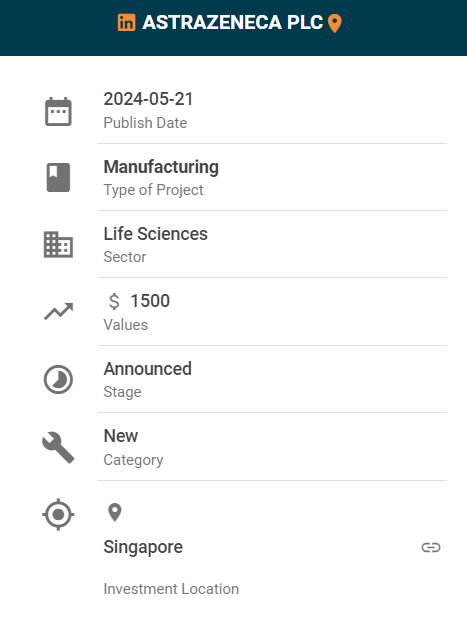
AstraZeneca marked its arrival in Singapore with a $1.5 billion investment toward an antibody drug conjugates (ADCs) manufacturing facility. The company’s CEO Pascal Soriot noted that Singapore was selected due to its “reputation for excellence” in complex manufacturing, which will be vital to AstraZeneca’s first end-to-end ADC plant. This new facility will produce highly potent cancer-killing agents for new treatments and aid in expanding the company’s ADC global supply chain. Once design work for the facility wraps up in 2024, construction will take place until operations begin in 2029. “It will also be a first for AstraZeneca — an end-to-end manufacturing facility for novel antibody drug conjugates that enables precision therapy for cancer,” said Singapore Economic Development Board Chairman Png Cheong Boon. “This greenfield investment is a strong show of confidence in Singapore’s biopharmaceutical manufacturing capabilities and talent, strengthens our ecosystem in supporting the development and manufacturing of precision medicines, and creates meaningful jobs and economic opportunities for Singapore.”
ADVERTISEMENT
There’s More Room for Data
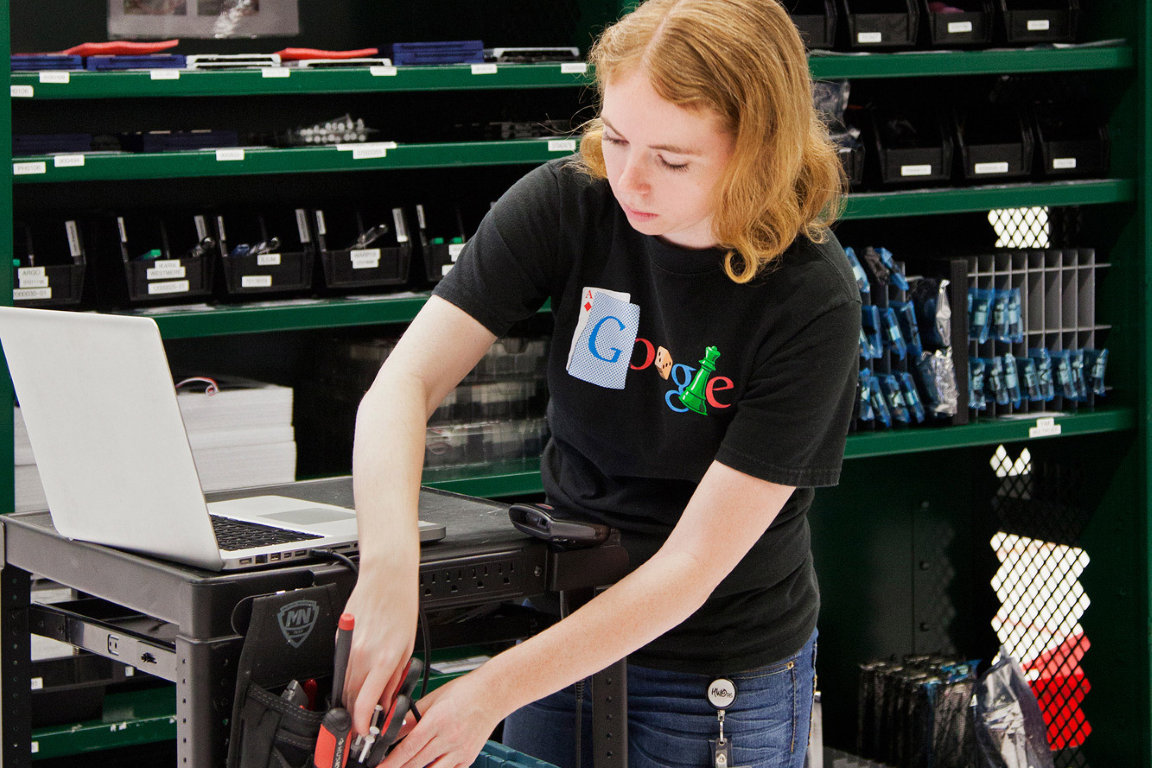
Aside from its Hamina site, Google operates six additional data centers in Finland.
Photo courtesy of Google
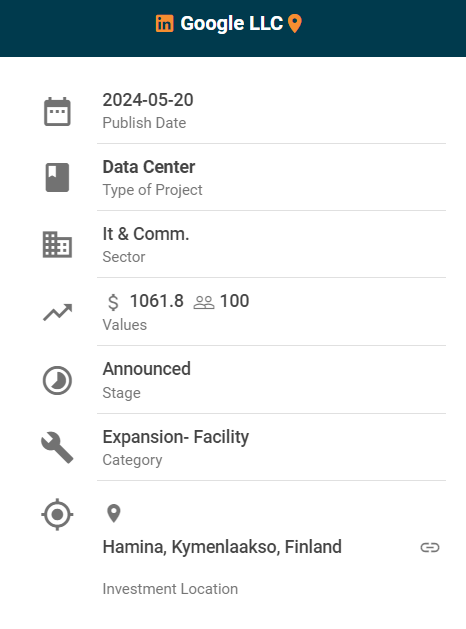
Google’s latest announcement of $1.1 billion into its Hamina, Finland, data center site brings its total investment to more than $4.8 billion over 13 years. Access to clean energy resources, namely wind-generated power, from this location on Finland’s southern coast was a major driver in Google’s decision as the company aims to run each of its data centers on 100% clean energy by 2030. The expansion announcement additionally brought news of 100 new roles by mid-2025. Once operational, heat produced by the data center will be donated to energy firm Hamina Energia and is anticipated to supply 80% of the firm’s district heating requirements.
ADVERTISEMENT
Canada Charges Up
The new EV battery facility receives project support through Invest Ontario and will benefit from Canada’s Clean Technology Manufacturing Investment Tax Credit.
Rendering courtesy of Asahi Kasei Corporation
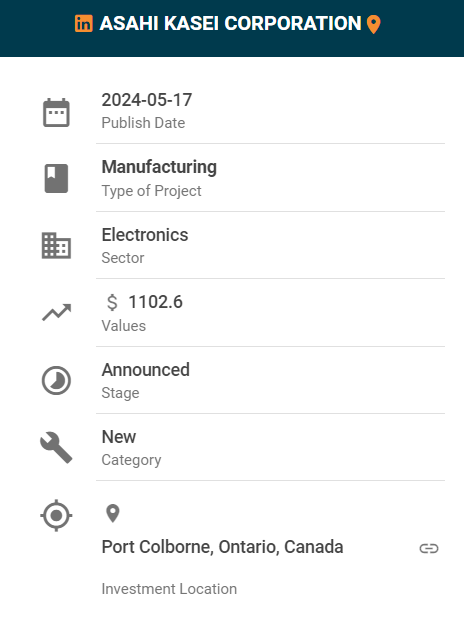
Japan-based chemicals company Asahi Kasei Corporation was searching for an ideal location for its new lithium-ion battery separator facility, and upon finding renewable resources, skilled talent and community support, Ontario won the deal. Asahi Kasei will invest $1.1 billion to establish nearly 7.5 billion sq. ft. of Hipore™ wet-process separator capacity in the southern Ontario city of Port Colborne, located in the Niagara region. These separators are vital to lithium-ion batteries used for EVs and will be used to serve both Canadian and North America markets. “As demand for electric vehicles — and the lithium-ion batteries that power them — continues to rise, we are eager to bring the first Hipore™ wet-process lithium-ion separator manufacturing facility to Canada,” says Asahi Kasei Corporation President Koshiro Kudo.
Reports compiled and written by Alexis Elmore, edited by Adam Bruns
Periods of economic crisis are the worst of times and the best of times for state and local business location tax incentives. These tax expenditures, like all expenditures, face an uphill battle when revenues have collapsed and the number of needy residents requiring assistance has increased. At the same time, economic stringency and lack of revenue sharpen government appreciation for business development and job creation. If a crisis combines danger and opportunity, the current downturn could offer an opportunity to improve these incentive programs.
When MP Materials announced on July 10 that it had secured a multi-billion-dollar deal with the U.S. Department of Defense to supply the U.S. Armed Forces with rare earth materials, the move signaled the latest transformative chapter in the ever-expanding critical mining sector of San Bernardino County in Southern California.