

Eli Lilly’s historic investment signals a new chapter for Huntsville and the Tennessee Valley.
by Savannah Yawn
When Eli Lilly and Company in December 2025 announced plans to invest more than $6 billion in a new active pharmaceutical ingredient (API) manufacturing facility in Huntsville, Alabama, the project immediately rewrote the state’s record books, becoming the largest private capital investment in Alabama’s history.
The facility will manufacture a range of advanced pharmaceutical products and therapies, expanding Lilly’s U.S. manufacturing capacity to meet growing demand for innovative medicines, including orforglipron, its first oral, small molecule GLP-1 receptor agonist. Lilly plans to create 450 permanent jobs and approximately 3,000 construction jobs as the site is built out through 2032.
Lilly selected the Greenbrier South site in Huntsville out of more than 300 candidate locations. The company cited workforce potential, proximity to the HudsonAlpha Institute for Biotechnology, access to utilities, transportation infrastructure and favorable site conditions among the factors that influenced its decision.
“Huntsville’s track record of science and innovation, supported by advanced manufacturing expertise and a skilled workforce, makes Alabama an ideal location for Lilly to expand domestic manufacturing capacity for next‑generation medicines,” said David A. Ricks, Eli Lilly and Company Lilly chair and CEO, noting that the investment “continues the onshoring of API production, strengthening supply chain resilience and reliable access to medicines for patients in the U.S.”
For TVA and its economic development partners, the announcement represented more than a major project win. The investment serves as validation of years of work to position Huntsville and the Tennessee Valley as competitive locations for life sciences investment.
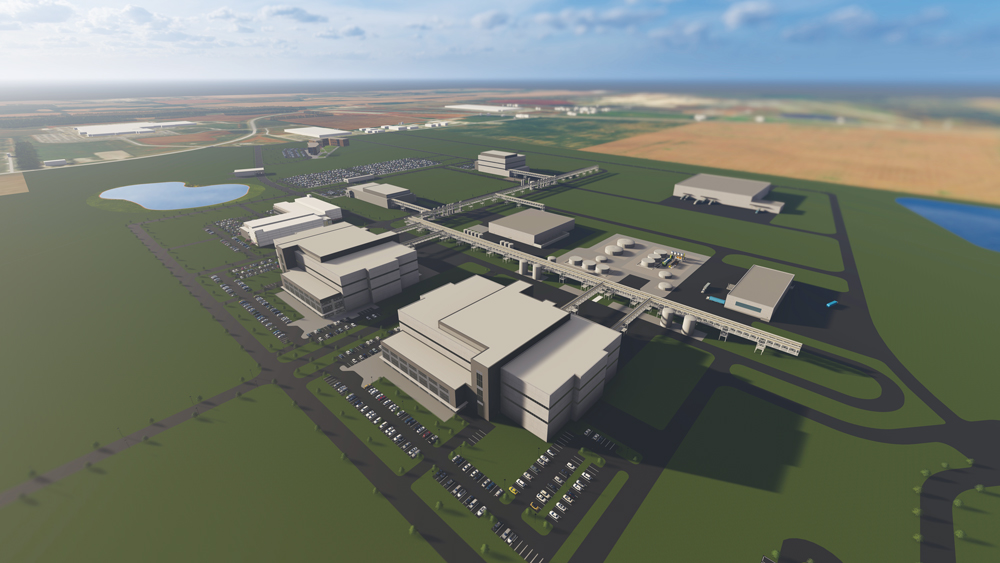
The Huntsville facility will manufacture active pharmaceutical ingredients for next-generation medicines, expanding Lilly’s domestic production capacity while strengthening pharmaceutical supply chains in the United States.
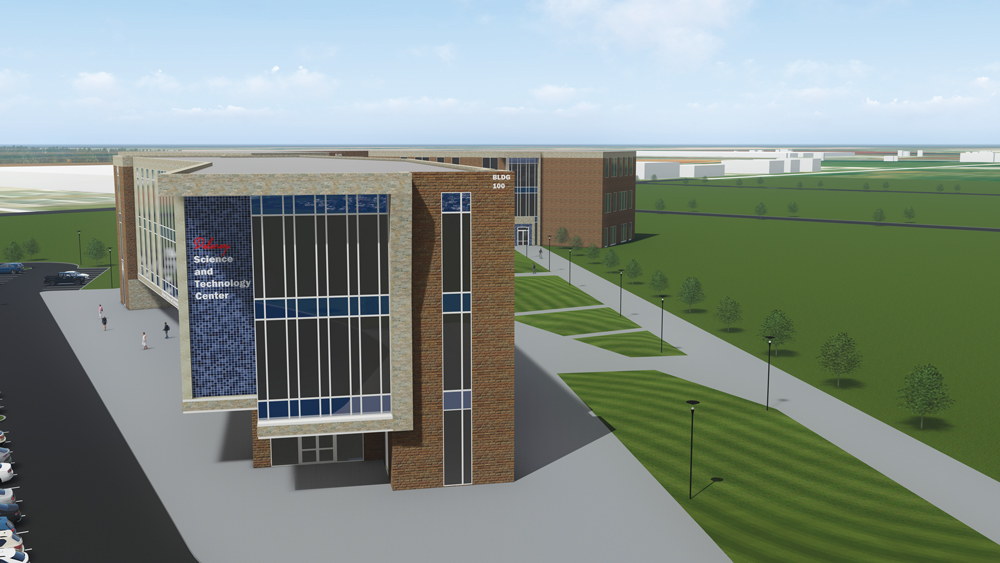
“On the surface, Eli Lilly represents a $6 billion capital investment and 450 jobs paying over $100,000 — a significant opportunity for any community,” says Tyler Chaffee, TVA target market specialist. “Behind the stated economic development metrics, the Eli Lilly project is validation of the research and thought that the Huntsville market can support the life science industry and can be a viable option for Eli Lilly and future companies who may be interested in exploring opportunities away from the traditional Tier 1 life science markets.
“We view this project as the catalyst for a long-term push into the sector for not only the Huntsville market, but for the Valley as a whole,” Chaffee says.
Building the Workforce Case
Throughout the site selection process, workforce remained one of the project’s primary considerations. TVA officials say Lilly’s ability to recruit and retain talent was a central topic from the beginning of the recruitment effort.
“The priorities and requirements on this project stayed consistent throughout the process with workforce being a large point of emphasis,” says Chaffee. “Ensuring a major operation like Eli Lilly would be able to find the talent they need and continue to operate with a strong pipeline of future talent was critical to this project moving forward in the region.”
One of Huntsville’s greatest advantages was the depth of technical talent already employed across the region’s aerospace, defense and advanced technology sectors. Rather than relying on an existing pharmaceutical workforce, Huntsville’s pitch centered on its ability to develop one.
“Huntsville has one of the highest numbers of engineers per capita in the country,” says Penny Townson, TVA field consultant. “A manufacturing plant requires so many operational teammates that those engineers can move between industry sectors seamlessly as they support different segments of a larger process.”
Chaffee says the region’s concentration of engineers is a direct result of decades of aerospace and defense growth anchored by organizations such as NASA and Redstone Arsenal.
“One of the main differentiators when considering the workforce in the Huntsville region is its strong supply of talent as it relates to emerging technologies,” Chaffee says. “The community is continually rated as a top community for tech talent mainly because of the high concentration of engineers that live and work in the Huntsville region.”
TVA and its partners, led locally by the Huntsville-Madison County Chamber of Commerce, demonstrated how the region’s engineering talent, workforce training resources and research institutions could support both Lilly’s immediate hiring needs and its long-term growth. Organizations including AIDT (Alabama workforce development agency), Calhoun Community College, the University of Alabama in Huntsville and HudsonAlpha each played a role in that effort.
“The proposal was a multi-pronged approach featuring immediate, short-term and long-term assistance to provide assurance that the region can comfortably support this operation,” Chaffee says.
The challenge was never whether Huntsville had the talent. It was convincing one of the world’s largest pharmaceutical manufacturers to view that talent through a different lens.
“We knew we had it, but needed to effectively convey that message,” Townson says. “In this case, the need was to effectively showcase a robust and largely untapped bioscience workforce.”
Ultimately, Lilly’s decision suggests that argument resonated. Rather than selecting a traditional pharmaceutical hub, the company chose a region where an existing engineering workforce could be adapted to support the next generation of advanced manufacturing.
Ready When Opportunity Calls
Workforce may have opened the door, but speed-to-market helped close the deal.
“Speed-to-market played a critical role,” says Chaffee. “For any global company like this, every day they aren’t operational represents a large amount of lost revenue, so ensuring all partners were able to deliver within the project’s stated timeline was a major piece of the project.”
The Greenbrier South site offered several advantages. The 260-acre property sits along Interstate 565 near Exit 3 and provided access to utilities, transportation infrastructure and favorable zoning conditions that aligned with Lilly’s project requirements.
Townson says years of local planning helped position the site for a transformational investment. TVA’s technical services team also developed site visualizations that helped Lilly evaluate how the project could fit on the property, according to Townson.
“Huntsville is very deliberate in their planning and growth so this land was flat, large, and had most of the utilities in place,” she says. “Because of their vision, this unicorn of a site was available for this transformational project.”
The facility itself will rely heavily on advanced manufacturing technologies. Lilly plans to incorporate machine learning, AI, digitally integrated monitoring systems, advanced data analytics and automation throughout the operation to support the production of active pharmaceutical ingredients. Those technologies place unique demands on utility infrastructure and reliability.
“As you can likely imagine, API manufacturing is very particular around electricity service as a single outage can cost millions of dollars through product loss,” says Chaffee.
TVA worked alongside Athens Utilities and local partners throughout the recruitment process to demonstrate the site’s ability to meet those requirements. Internal coordination included TVA’s transmission, planning, customer relations and energy services teams.
“Every hiccup, loose end, and ruffle was met with a tailored solution that built the project team’s confidence in our ability to meet their power demands from day one to 1,000,” Townson says.
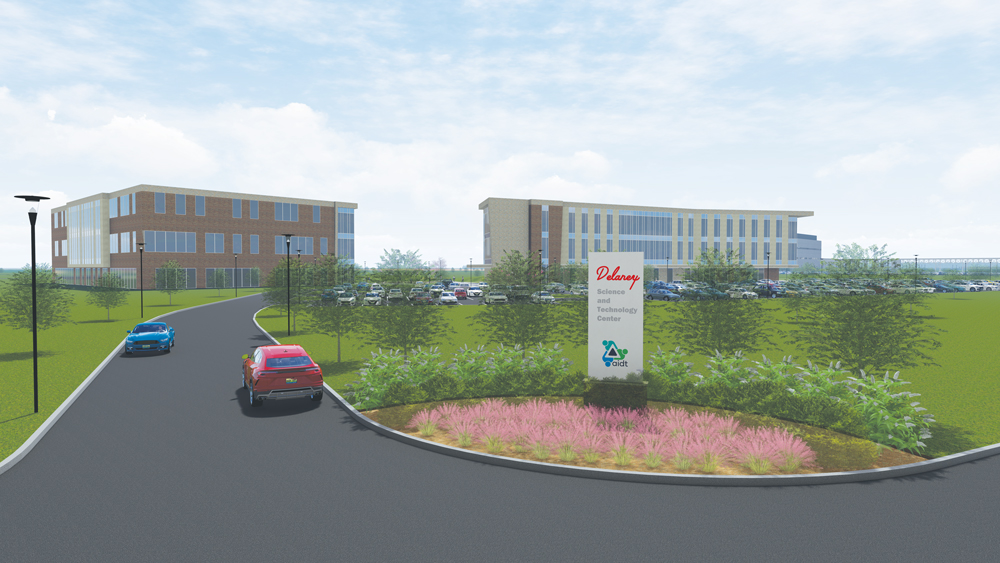
Selected from more than 300 candidate locations, the Greenbrier South site offers access to workforce, infrastructure and transportation assets that helped position Huntsville for one of the nation’s largest life sciences investments from Eli Lilly and Company.
The project also reflects TVA’s larger efforts to prepare the Tennessee Valley for increasingly complex industrial investments. The utility is investing in more than 6,200 megawatts of new generation capacity while continuing transmission upgrades, grid modernization efforts and development of next-generation nuclear technologies.
A Bioscience Ecosystem Years in the Making
While Huntsville has earned national recognition for aerospace, defense and advanced manufacturing, local leaders say the region’s bioscience assets have been quietly growing for years.
“North Alabama has captured national attention with success in the automotive, aerospace and defense industries, but bioscience has really been a sleeping giant for the area,” says Townson. “Between HudsonAlpha and the state’s extensive workforce support, Huntsville needed a big name like Eli Lilly to showcase what we know is possible here.”
For Huntsville leaders, the Lilly announcement represents the culmination of years of preparation. The Greenbrier South site’s proximity to the HudsonAlpha Institute for Biotechnology was specifically cited by Lilly as a factor in the company’s decision. Lilly noted that the research campus supports workforce training and bioscience research, helping strengthen Huntsville’s position as an emerging life sciences market.
According to the Alabama Department of Commerce, the state’s bioscience sector generates an estimated $7.3 billion in annual economic impact and includes more than 1,800 bioscience enterprises employing over 15,000 workers statewide.
“The competition for a manufacturing facility of this magnitude is extremely challenging, and this result shows Alabama’s pro-business climate, outstanding workforce and strong community support is a winning combination,” says Alabama Commerce Secretary Ellen McNair.
That long-term investment in research, education and workforce development aligns closely with TVA’s overall economic development strategy. In recent years, the organization formally added life sciences to its target industry sectors after identifying emerging strengths across multiple Tennessee Valley markets.
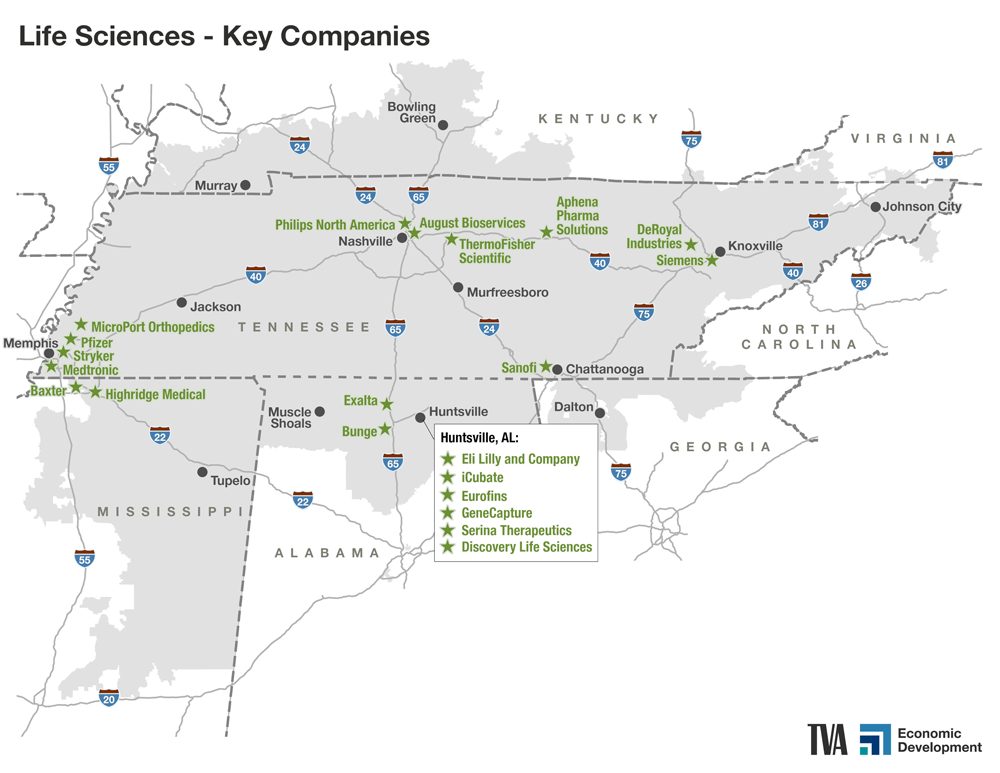
For TVA, Huntsville is only one piece of a larger regional life sciences story. Opportunities are emerging across the Valley, from medical device manufacturing in Memphis and North Mississippi to healthcare innovation in Nashville and radiopharmaceutical research in East Tennessee.
“The exciting thing about the life science sector is how broad of a sector it is,” Chaffee says. “When applied to the Valley region, you get communities within the Valley that are uniquely positioned for specific subsectors of life science.”
Within that larger landscape, TVA officials view the Lilly announcement as an important milestone. The project represents the first major life sciences recruitment success since TVA formally added the sector to its target industry portfolio and provides a high-profile example of how the Valley can compete for complex, knowledge-intensive investments.
“We’ve had some smaller successes across the Valley within the sector in the past,” Chaffee says, “but this is one of the largest pharmaceutical manufacturers in the world that has decided to invest in the Valley. An announcement like this puts the Huntsville region on the map within the pharmaceutical sector and should earn the region additional looks from future projects within the sector along with the natural growth that occurs from having a large pharmaceutical company like Eli Lilly in your community.”
TVA believes the same combination of workforce, research assets, infrastructure and affordable, reliable power that attracted Lilly can support additional growth across the region. Whether that vision becomes reality will be measured in the years ahead. For TVA, however, the significance of the Lilly announcement is already clear: The rest of the industry is paying attention.
“Eli Lilly’s investment validates North Alabama’s aggressive position in recruiting bioscience companies to the area,” Townson says. “Lilly is the field of dreams for a growing bioscience ecosystem. Because they are building here, other life science companies will follow.”
This Investment Profile was prepared under the auspices of TVA Economic Development. For more information, visit tva.com/economic-development.