An unwavering devotion to a vision for community growth can mean a lot of “No”s on the way to a “Yes.”
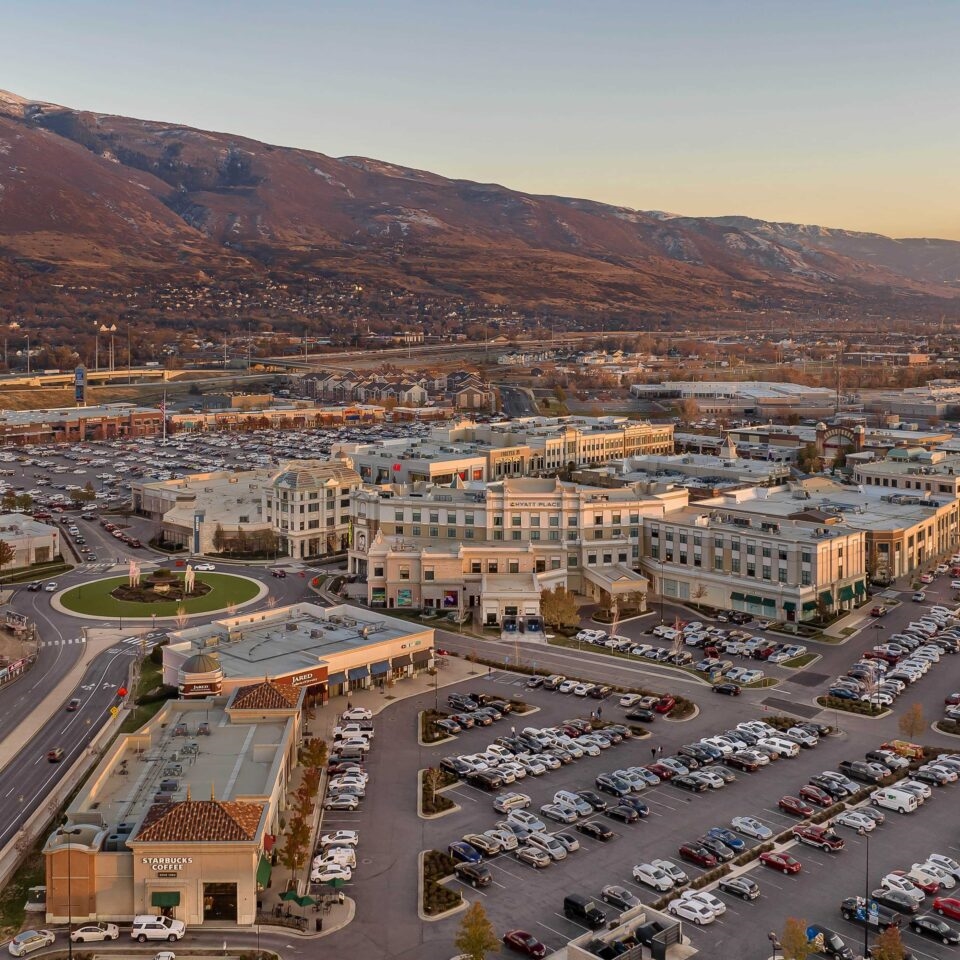
About 16 miles north of Salt Lake City, Utah, leaders in the city of Farmington have spent over 20 years carefully navigating the development of a 550-acre “donut hole” in the heart of town. Prior to the construction of the 11.5-mile Legacy Highway through Davis County or a new station for Utah Transit Authority’s commuter rail service FrontRunner — both of which were complete in 2008 — local officials began strategizing what Farmington could offer potential commercial users once this infrastructure arrived.
A 2003 market study conducted by Ross Consulting Group noted that along with the addition of the future Park Lane Interchange connecting travelers to Highway 89, Interstate 15 and Legacy Highway, Farmington was well-poised for mixed-use and commercial development opportunities. Based on visits to various established business parks, the massive donut hole in town was designated as a mixed-use zone two years later.
CenterCal Properties was the first to step in, securing 62 acres near the city’s new FrontRunner station. The real estate developer delivered a mixed-use development named Station Park in 2011, a shopping center that quickly had an economic development impact in the community.
However, when residential proposals north of Station Park began outweighing commercial as a result of the Great Recession, the City Council was swift to remove all residential uses from the office mixed-use zone.
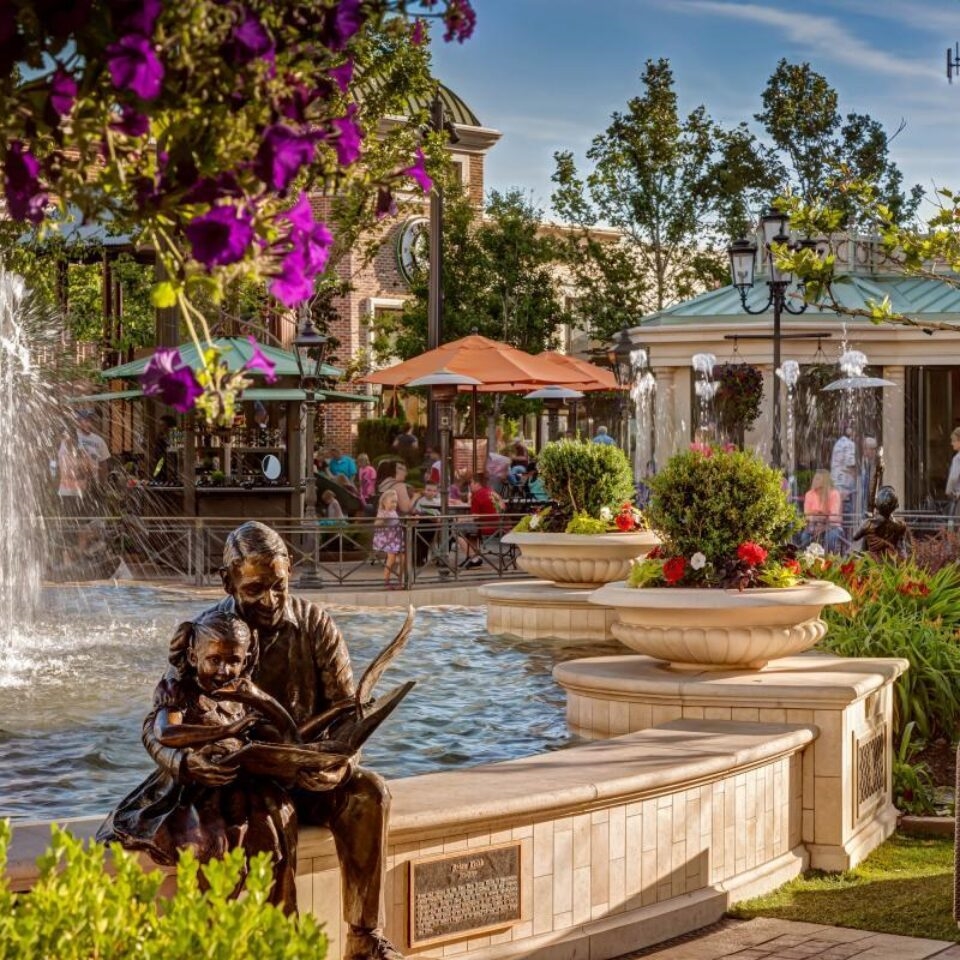
Photo courtesy of CenterCal Properties
“City leaders have had to hold strong to the vision for this area in spite of pressure from property owners and developers interested in pursuing something faster and easier,” says Farmington City Community Development Director Lyle Gibson, “and in spite of some concern and resistance from existing residents.”
The Haws Company, which sold CenterCal the land for Station Park, then moved to construct the upscale retail and residential hub Park Lane Commons on over 60 acres adjacent to Station Park on the west side of I-15. This commercial development opened in 2012, later attracting Cabela’s Outfitters — an outdoor retailer acquired by Bass Pro Shops in 2017 — and the University of Utah’s Farmington Health Care Center.
That consistent vision is still alive today, although worries persist as residential growth wants to come in first while higher priority office users have yet to gain fresh momentum. Gibson says the city has been told that as more residential fills in, the non-residential uses will follow that growth, so maintaining the vision with patience is as important as ever.
“Much has gone into coordinating, designing and building the infrastructure to support this area. Over the many years that visioning, planning and even construction have been underway there have been multiple changes to members of city government and leadership,” says Gibson. “It continues to take regular reminders of the vision, commitments and plans for the area. City staff and elected officials often have to say ‘no’ to something and show patience in hopes that something more fitting will eventually come.”
In 2022, the Farmington Station Area plan was updated to combine previous and existing efforts into one vision, while establishing new goals for the two sub areas, Station Park south of the Park Lane Interchange and the North Station area north of Park Lane. At the time of this plan’s creation, 233 acres of the donut hole had been developed across retail, housing and office uses, leaving 317 acres open to opportunity.
Gibson says that currently a hotel, two office buildings spanning about 30,000 sq. ft. each and approximately 700 apartments are under construction in the North Station area. These additions are anticipated to create about 7,000 jobs and accommodate 12,000 new residents. As a new interchange at North Station Lane and I-15 nears completion, he notes fresh retail developments are expected to follow.
“Along with the planned retail and office development within the North Station area,” he continues, “the city sold just over six acres to Weber State University to facilitate the development of a satellite campus which will further support training the local workforce to ensure high-quality talent is available to fill the jobs created in this area.”
Preparations in Order
Much like the rest of central Davis County, Farmington has outsourced its workforce to the Ogden and Salt Lake City markets for decades. Building out the Farmington Station area provides the infrastructure to drive jobs and new amenities closer to home, while cultivating a vibrant mixed community with urban form that is unique to the county.
Those developments have also closely followed transportation needs. Access to those larger markets and the Salt Lake International Airport have historically supported movement to and from the city. Alongside the Utah Department of Transportation, new transportation projects tied to the Farmington Station area aim to enhance the existing network. The aforementioned interchange at North Station Lane is one example of improvements coming in to enhance regional connectivity and attract new business activity.
“The West Davis Corridor opened to traffic just west of the Station Area site, providing a major route and easier access to this area from northwest Davis and Weber County,” says Gibson, speaking to another project in the mix. “The new highway and Interstate infrastructure provides regional access to a recently constructed road network which will directly serve the Farmington Station area.”
For residents or businesses interested in walkability, the city’s updated plan envisions a future central Greenway trail system that is now coming to life. Farmington is already home to a large network of trails, including the Legacy Parkway Trail and the Denver and Rio Grande Western Trail, which border the Farmington Station area on either side. The new Greenway will form a new north/south trail that connects the core of the north end down to Station Park in the south. Its route will also pass through the recently opened North Cottonwood Commons Park. Portions of the Greenway are complete with remaining segments expected to be incorporated as property development in Farmington Station continues.
With transit supplements and a Greenway system coming into place, potential office users scouting the north end of Farmington Station can experience the live, work, play environment first envisioned decades ago. Gibson says the rights are in place for developers to begin building out over 2 million sq. ft. of Class A office space, fit for a number of industries including finance, technology, health care, marketing and professional services.
“Now the landowners are looking for companies who are willing to commit to the area to start building them space,” says Gibson.