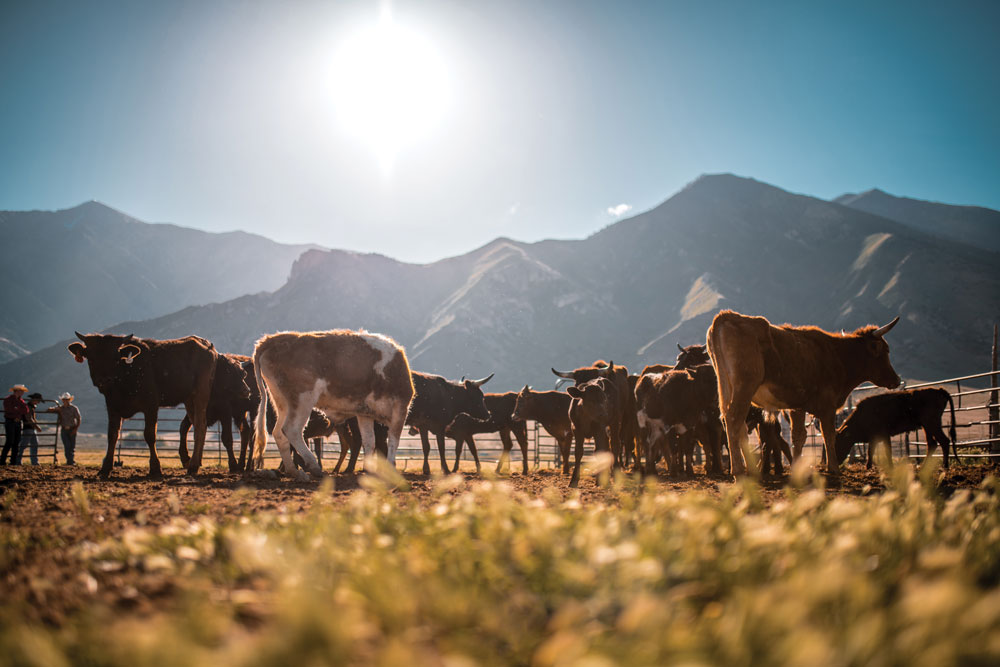
Large scale or small, the global beef market sees ups, downs and modernization.
Where’s the beef? According to most metrics, the United States still leads the beef industry, capturing 20% of global production in 2024/2025, according to the USDA. Brazil is just behind at 19%, followed by China at 13%. Another metric is Selection’s Conway Projects Database, which tracked 20 meat processing-related projects in 2025 alone, with 13 of them in the United States.
Another sign of the industry’s health was the record-breaking number of attendees — 9,400 cattle producers and stakeholders — at CattleCon 2026 in downtown Nashville in February. It’s a top event for the industry, and some trade pearls were shared at the CattleFax Outlook Seminar on the last day of the convention.
“The U.S. cattle and beef industry enters 2026 with strong but volatile market conditions, as historically tight cattle supplies, record-setting beef demand and elevated policy and weather uncertainty continue to support prices, even as markets appear to near cyclical highs,” said CattleFax Chief Operating Officer Michael Murphy. “Tight inventories and exceptional demand remain the dominant forces shaping the market; however, producer demographics, high input costs and policy uncertainty point to a slow and measured expansion phase.”
In 2025, the beef market was valued at almost $500 billion globally. Soaring demand has met rough market conditions, affected by a contracting cattle supply chain, global trade strife and tricky-to-predict weather conditions that may impact corn harvest and, by association, feed supply for cattle. Still, one positive trend has gained prominence in the meat market — the application of automation and robotics in small and large operations alike.
Cargill in Colorado
In northeastern Colorado, American food corporation Cargill will be spending $90 million to automate and implement new technologies at its Fort Morgan beef facility. The improvements will increase operational efficiency and product yield and improve on-site safety for workers.
How will this work? One example is Cargill’s computer vision technology, coined CarVe, that “measures red meat yield in real time, giving frontline managers instant insights and the ability to share feedback with employees to improve their cutting technique.” The tech-guided process has the potential to reduce waste in the processing of meat by “hundreds of millions of pounds” even with a small percentage of yield improvements, according to a company press release.
Cargill is the second largest processor of fed beef in the United States and uses 99% of the cow to make meat and hide products. Over 7 million hides produced from the company are used to make leather goods like handbags, car seats and baseballs used in Major League Baseball.
Since 2021, Cargill has spent $24 million upgrading technology at the Fort Morgan site. In December 2025, the company also opened an 81-unit apartment complex for employees in Fort Morgan, part of a $40 million investment for workforce housing that also included 27 townhomes built earlier in the year.
“Fort Morgan is a great example of Cargill’s long-term approach to strengthening the U.S. beef industry,” Jarrod Gillig, senior vice president of Cargill’s North American Beef business, tells Site Selection. “Our $90 million investment reflects confidence in this facility, our workforce and the regional supply chain it supports. The plant plays a critical role in connecting ranchers to markets, and its highly skilled employees are essential to our ability to operate safely, efficiently and responsibly. We also recognize that access to housing is an important consideration for employees and communities, which is why we’ve worked with local partners to support housing and community initiatives. In parallel, we continue to invest in technologies such as CarVe to enhance safety, improve operational efficiency and optimize yield, helping the facility adapt to evolving market conditions and operate responsibly over time.”
Cargill employs 160,000 employees in seven countries and sells its products to over 100 markets. In 2024, the corporation generated $160 billion in revenue. The Fort Morgan facility upgrades follow the company’s “Factory of the Future” initiative, which now includes 100 tech-forward projects in 35 Cargill facilities across North America.
A Helping (Robotic) Hand
In central Montana, rancher Joel McCafferty has found intriguing ways to enhance the high-quality beef produced at McCafferty Ranch — hydroponics and robotics. In the town of Belt, located at the foot of the Little Belt Mountains, the McCafferty Ranch was established 100 years ago in 1926, with three generations of the family running the place. When I toured the ranch in October, the setting was every aspiring farmhand’s dream — border collies, flapping chickens and a bushel of farm kittens jumping in the wild grasses not far from the McCafferty homestead.
But raising quality beef at this site is no storybook plot — it’s hard work, subject to economic downturns in the market. What has remained consistent at McCafferty’s has been its impressive use of innovative hydroponic and robotic technology. The hydroponic plant is serviced by a large robot, purchased from Mexico before COVID, that handles and moves water-filled trays of barley and pea sprouts that are fed to cattle. The leftover nutrient-rich water is then drained out to the neighboring fields. This process uses 90% less water than standard irrigation methods.
“Beef is healthy,” says McCafferty of his philosophy in providing a high-quality meat product. “And what we are doing can fit any category: grass-fed, organic. It’s [also] price-point sensitive.”
The barley used in this process is a crop that is rejected for use in brewing beer (for having too-high protein levels for that product) and is tested for nutritional value, McCafferty explained on the tour of the ranch. The cattle are also fed fresh grass, and the barley and sprouts allow the animals to be fed steadily through winter and summer regardless of climate conditions. The beef is processed at a USDA-inspected facility in the state and aged 21 days for maximum flavor and tenderness.
From my personal experience, the quality of the all-natural beef produced from this process is top tier. I had McCafferty beef twice on my visit to central Montana, first in the form of a marbled steak during a friendly dinner at local vacation and dining spot, Ranches at Belt Creek, and again when I inhaled a cheeseburger at renowned burger joint Roadhouse Diner in nearby Great Falls. From sprout to plate, this smalltown beef supplier is certainly pushing flavor and innovation in the meat market.
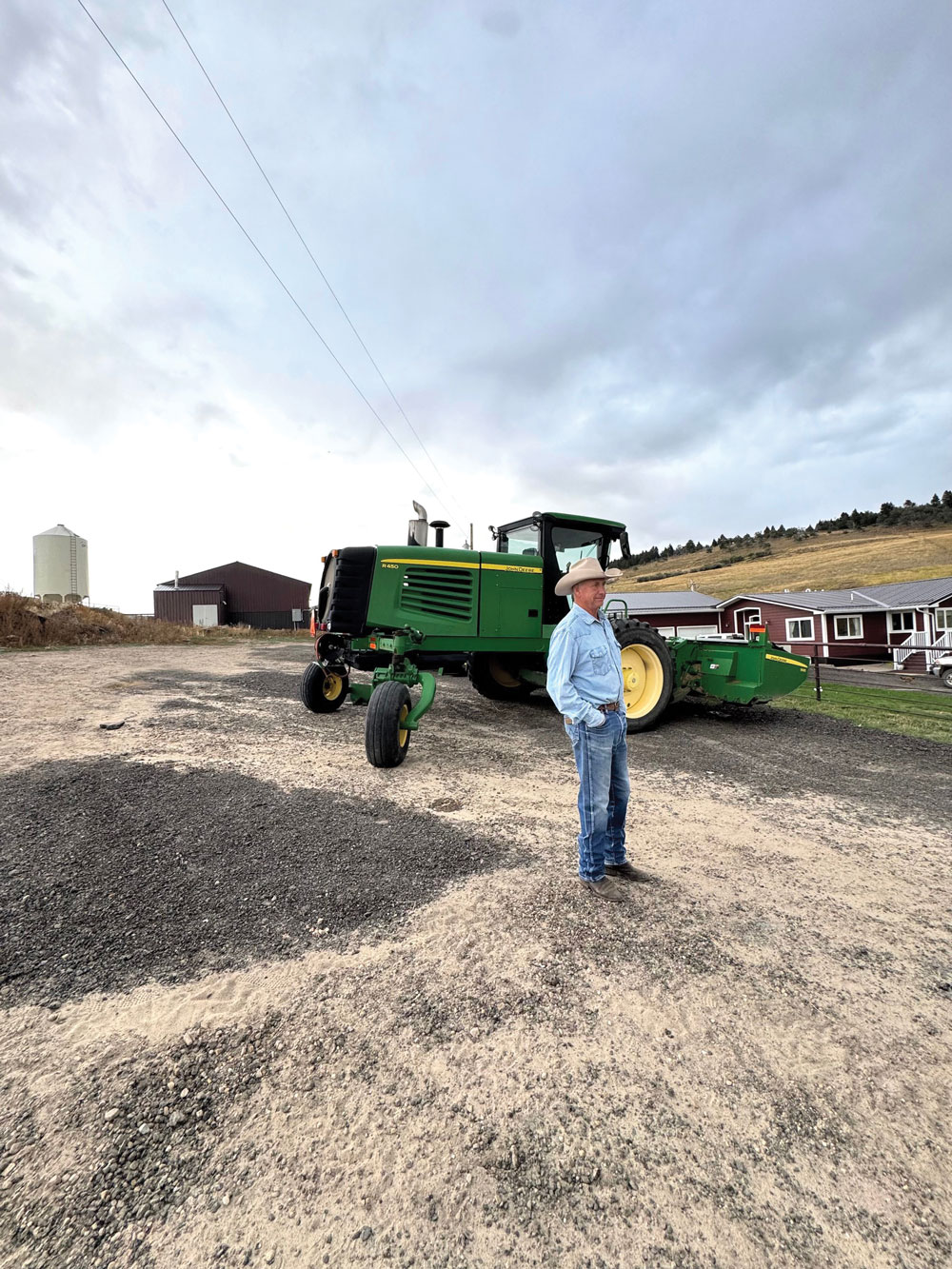
McCafferty Ranch supplies beef all over Montana, including Bozeman, Helena and Oliver’s Corner Butcher Shop in Great Falls, and delivers as far as New York City and California.
Photo by Kelly Barraza