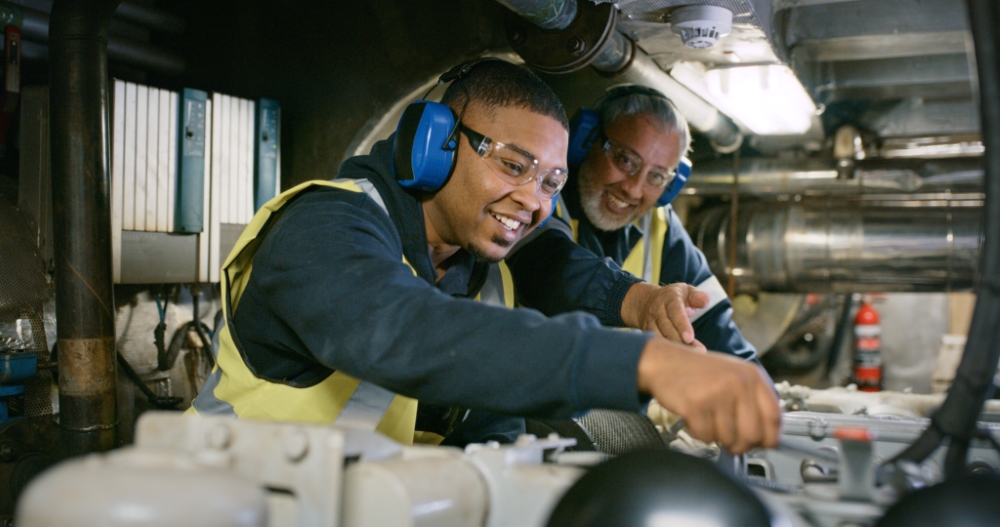
Hands-on experience is key in developing a skilled trades workforce.
There is no doubt that on-the-job training has become even more critical in today’s labor force, a trend that will certainly persist into the future. In late December, the U.S. Department of Labor announced $98 million in funding through the YouthBuild Program to develop pre-apprenticeships in high-demand industries like construction, advanced manufacturing, IT and health care. AI literacy through education and occupational skills training for younger people is also part of the program’s initiative.
“By investing $98 million through our YouthBuild Program, the Labor Department is opening up pathways to success for young Americans by providing them with opportunities to gain hands-on experience in construction and emerging fields,” said U.S. Secretary of Labor Lori Chavez-DeRemer in a press release. “The Trump Administration remains committed to building a skilled workforce that will drive our economy into the future.”
The funding will serve people ages 16 to 24 with academic support, occupational skills training and employment services, targeting places where many younger people are not participating in the workforce. This aligns with the Trump Administration’s blueprint for workforce development detailed in the report “America’s Talent Strategy,” published in August 2025 by the U.S. Departments of Labor, Commerce and Education. A goal outlined in the report includes reaching and exceeding 1 million apprenticeships nationally and also having a set percentage of YouthBuild participants entering a U.S. Department of Labor-approved Registered Apprenticeship within one year of finishing the program.
Shreveport Transit Trains New Hands
Outside of federal initiatives, many local organizations and companies continue making apprenticeship part of their hiring and training strategy. In the city of Shreveport, the public transportation bus system SporTran, which has touted no-fare passage for all riders since 2022, is training the next wave of skilled transit professionals in northwestern Louisiana.
In December 2025, the transit agency announced the SporTran Apprenticeship Program, which was developed to meet public transit workforce needs and invest in long-term career pathways for the Shreveport-Bossier community.
“As transit systems modernize and adopt new technologies — including hybrid and zero-emission vehicles — SporTran recognizes the need to build a sustainable, skilled talent pipeline from within the region,” a SporTran spokesperson says. “This program represents an investment in people, workforce stability and the future of public transportation.”
The focus of the program will be on modern bus technologies, where apprentices will be paid to experience hands-on training in transit maintenance and operations. Participants will learn how to work with diesel, hybrid and zero-emission systems and develop technical, safety and industry-standard maintenance skills. The program will combine structured learning with on-the-job training aligned with state and industry apprenticeship standards, according to the agency spokesperson.
“SporTran is not just investing in buses; we’re investing in people, careers and the strength of our regional workforce,” said SporTran CEO Dinero’ Washington in a press release.
The apprenticeship program received formal approval from the Louisiana Apprenticeship Commission in December 2025. The structure of the curriculum and training duration is still being finalized as the program is being implemented, as are the number of apprentices in the inaugural cohort, the official start date and graduation timeline.
“This apprenticeship program is a cornerstone of SporTran’s workforce development strategy,” says the agency spokesperson. “It supports employee retention, reduces turnover, improves service reliability and prepares the agency for future technologies. It also reinforces SporTran’s commitment to building a more skilled workforce that supports safe, reliable transit service in our community.”
Though transit maintenance is the primary scope of the Registered Apprenticeship Program at SporTran, the agency hopes to scale this workforce development model. Future potential additions to the program include a bus operator apprenticeship program as well as supporting recruitment and long-term retention of transit professionals.
Wiring the Future
NCN Electric, a veteran-owned electrical contracting company headquartered in Venice, Florida, with an additional office in St. Petersburg, has been serving large electric projects and designs in the state since the early 1980s. Recently, the company announced its own state-accredited electrical apprenticeship school. It will serve as a cornerstone of NCN Electric’s long-term workforce development strategy, supporting talent attraction, retention and advancement by providing a clear career pathway for entry-level apprentices to licensed journeymen and beyond.
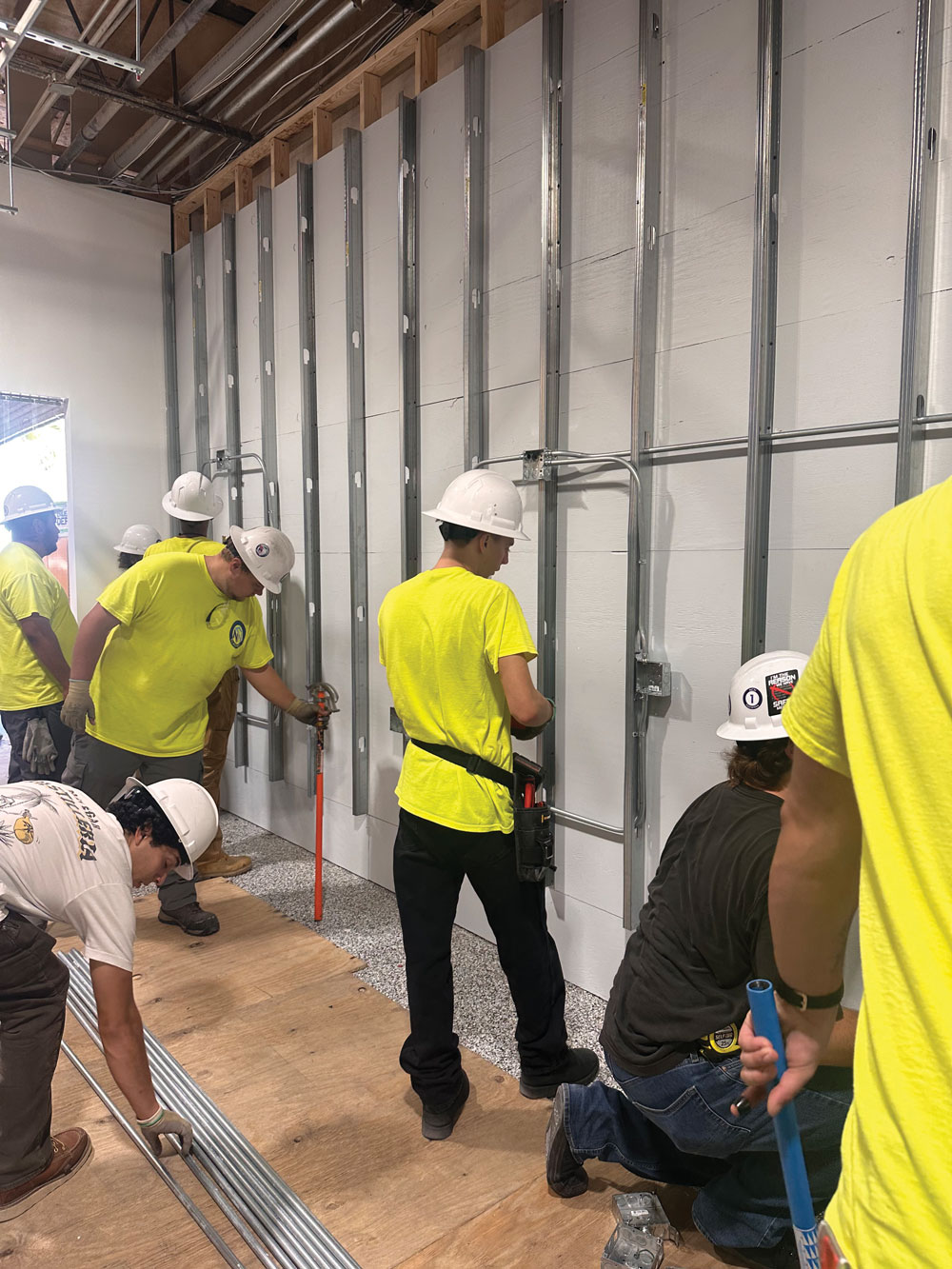
NCN Electric apprentices practice conduit installation while wearing proper PPE in a classroom lab.
Photo courtesy of NCN Electric
“The apprenticeship program was developed to address the growing demand for skilled electricians while creating a structured, sustainable talent pipeline for NCN Electric,” says Clayton Doing, executive vice president at NCN Electric. “The program also reinforces NCN’s commitment to safety, quality and compliance while strengthening succession planning across the organization.”
Right now, the program has two fourth-year apprentices who spent their first three years at a different program. They are expected to complete their Related Technical Instruction (RTI) and 8,000 hours of on-the-job training by summer of 2026. The program is designed as a four-year registered apprenticeship, and NCN plans to scale enrollment each year to meet workforce needs.
Enrollees in NCN Electric’s apprenticeship program will gain experience in several electrical disciplines, including electrical theory and code (NEC); commercial and industrial wiring methods; power distribution and lighting systems; blueprint reading and layout; safety, OSHA compliance and jobsite best practices; and equipment installation, testing and troubleshooting. Apprentices work alongside experienced journeymen and foremen and apply classroom instruction to real-world installations, which ensures practical skill development from the start.
“Hands-on training is delivered through a combination of paid on-the-job training at active NCN job sites and structured RTI,” says Doing. Upon completing their training, apprentices will be prepared for roles like journeyman electrician, lead electrician or foreman, and specialized roles in service, program management or large-scale commercial projects. The program is expected to expand to include additional electrical specialties and advanced skills including service work, controls, low-voltage systems and other emerging areas within the industry.

“The apprenticeship program was developed to address the growing demand for skilled electricians while creating a structured, sustainable talent pipeline for NCN Electric.”
— Clayton Doing, Executive Vice President, NCN Electric