
How Tennessee’s film & entertainment industry makes homegrown hits.
The scale of Tennessee-based entertainment is on the rise. Known as the nation’s top state for music, Tennessee has generations of classic tunes that still capture the attention of listeners around the globe. While the world may be used to hearing the impact of the state’s beauty in iconic ballads and rich melodies, Tennessee’s unique landscape continues to secure its role on the big screen as well.
Tennessee’s film industry currently supports over 15,950 jobs related to production and distribution, contributing more than $1.38 billion in wages, according to the Motion Picture Association. Over the past decade, motion picture and video production employment has seen a 64% increase, with 19% projected growth within the next decade.
Between 2023 and 2024, the state supported the production of seven films and 43 television series. The growing number of productions are finding the ideal support needed through the state’s carefully developed film and entertainment incentives.
While states like Georgia and Kentucky have transferable tax credits or use refundable credit systems that require productions to either wait until the next tax cycle to see the refund or deal with the brokering of tax credits, Tennessee adopted a program that streamlines a filmmaker’s refund. The Tennessee Entertainment Commission (TEC) Production Incentive provides qualifying productions—which spend a minimum of $500,000 or more on approved expenditures per episode or project—a cash rebate in the form of a 25% grant.
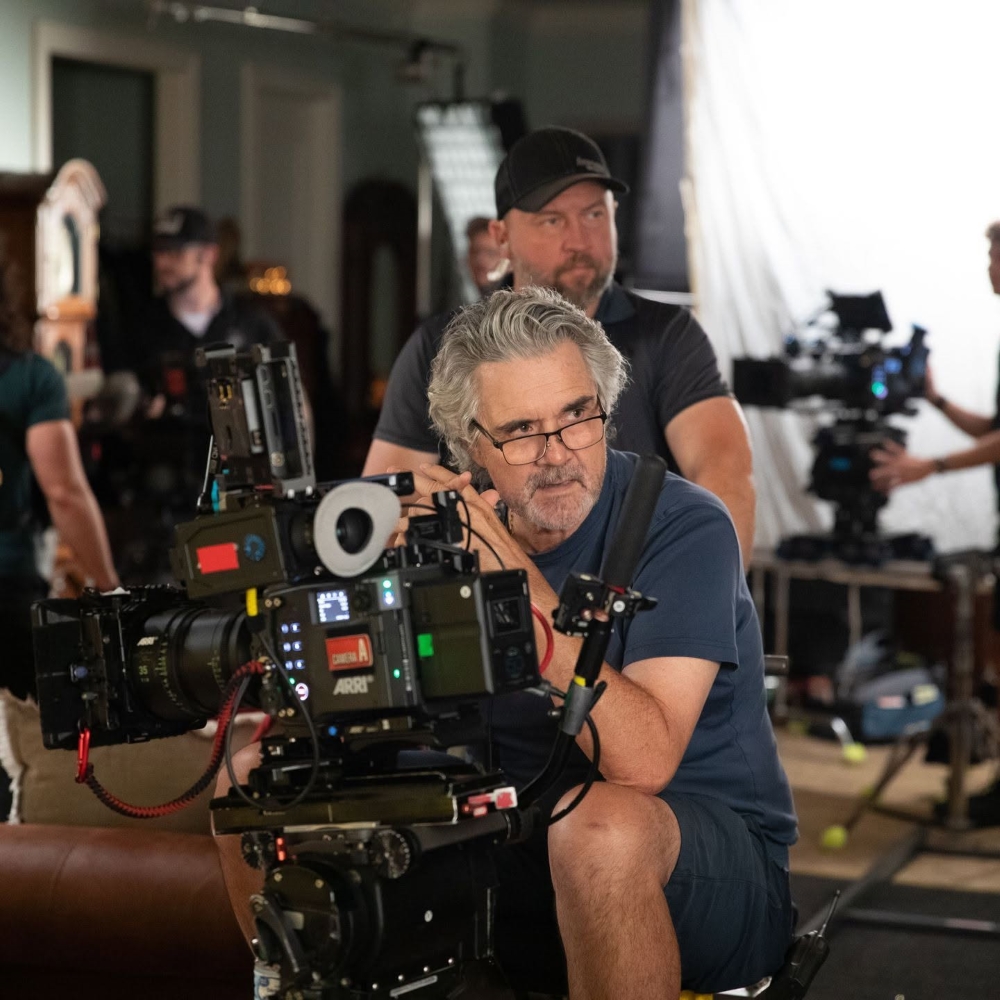
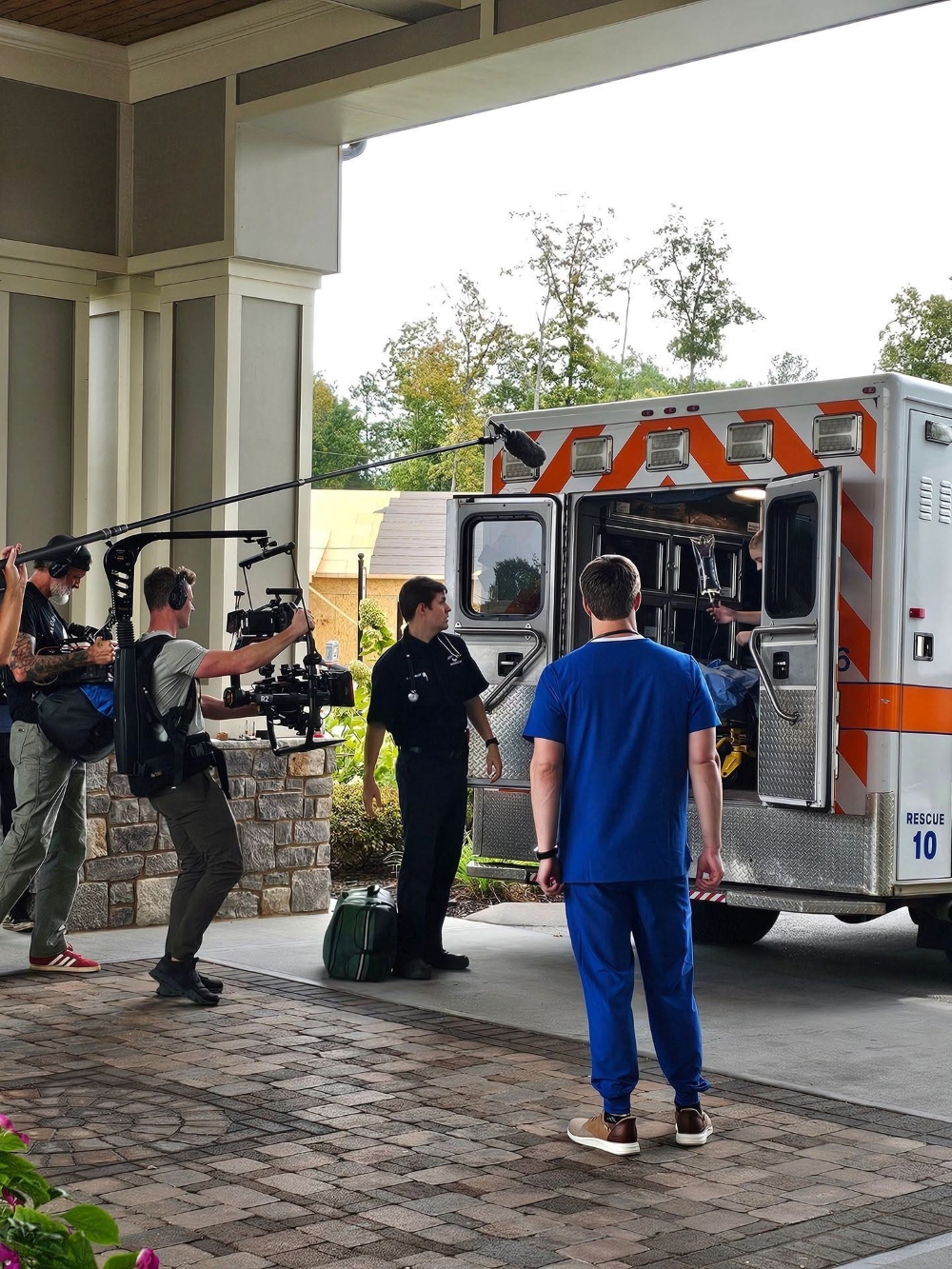
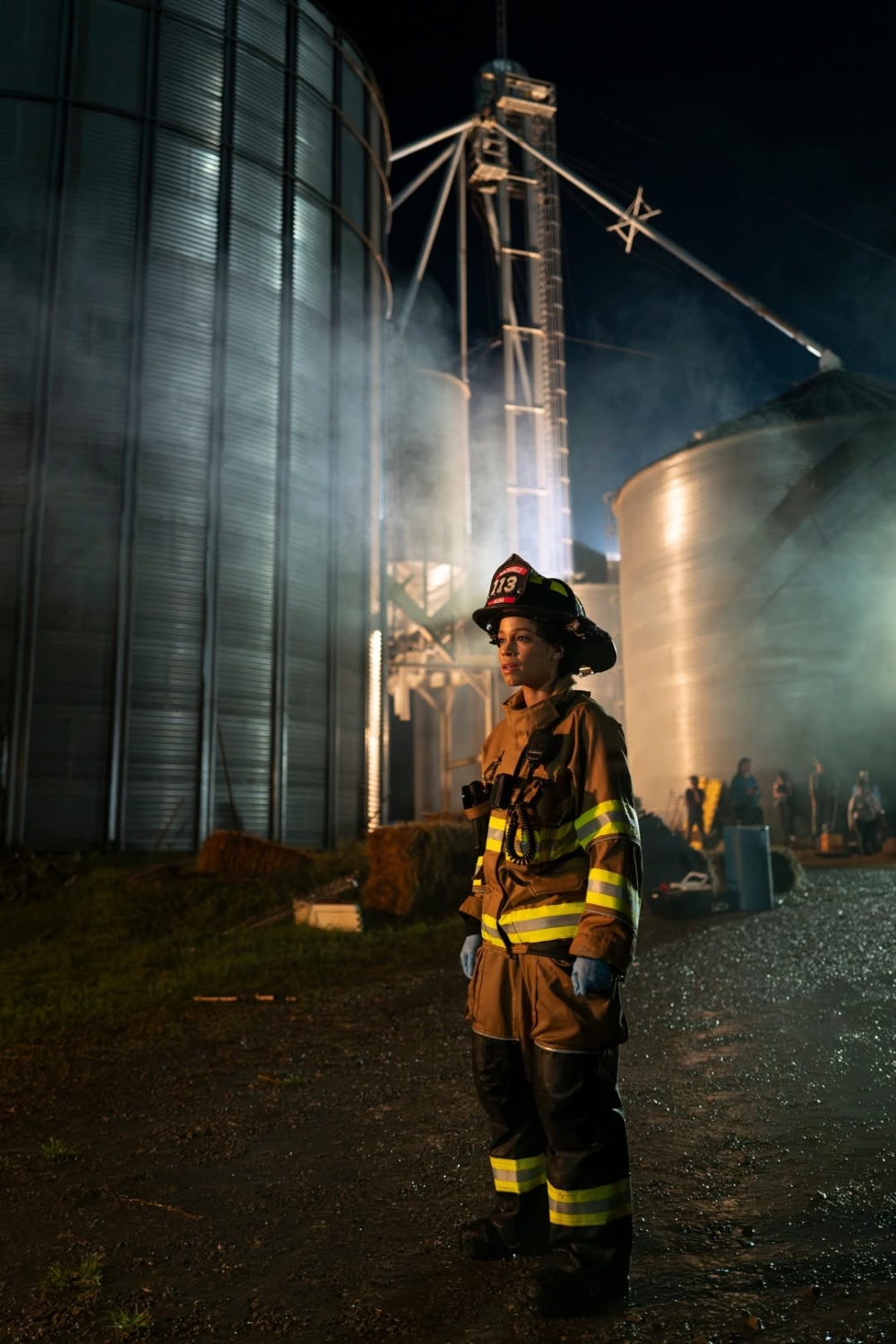
Screenshot from the sets of “Holland,” (top) “Country Rescue” (middle) and “9-1-1: Nashville.” (bottom)
Photos courtesy of the Tennessee Entertainment Commission
“In comparison, it is a lot cleaner and a lot easier in how it’s structured. At the end of the day, they get their money back quicker, as most of these transferable tax credits can take over a year when filing through the U.S. Department of Revenue,” TEC Executive Director Bob Raines said. “With us, we can typically turn these around in about six months after they get through filming and complete their audit.”
Expenditures toward any pre-production, principal photography and post-production work, in addition to payments to state vendors or residents associated with goods and services, are eligible. The grant rebate also extends to any wages, salaries, per diem and fringe benefits for residents accounted for in the first $500,000 spent. To top it off, the state currently implements no project cap on its incentive.
Combined with the state’s 0% income tax and additional incentives—including a hotel occupancy tax rebate, occupancy sales tax rebate, zero permitting fees and a credit offering up to 50% of franchise and excise tax liability—Tennessee is cementing its place on filmmakers’ radar. Last year, the film incentive supported 15 various television, commercial and film productions taking place around the state.
“One thing we will be working on over the next 12 months is making sure we’ve shored up continuation of funding in our incentive program that will help us recruit more productions looking out for the long term,” Raines said.
Making a Tennessee Location Your Own
When it comes to shooting on location, productions are on the hunt for a physical site that meets the creative elements of the narrative.
The state’s four distinct seasons, featuring an average of 207 sunny days per year, create clear windows of opportunity to schedule on-site filming accordingly. Tennessee offers a diverse mix of rural and urban settings, giving filmmakers the benefit of proximity. Rural locations, such as horse farms and charming small towns, are often within 20 minutes of larger urban areas. That proximity not only enables ease of travel for a film crew but can also reduce overall budget costs and cut timelines associated with a production.
Raines shares that TEC has noticed there are a lot of story elements being positioned around what Tennessee knows best: music. These productions are diving into assets such as the state’s auditoriums and recording studios for live performances and to provide an accurate depiction of the behind-the-scenes of the music industry.
“Another example is we have a show called ‘9-1-1: Nashville’ that is shot on location using a little bit of everything across Middle Tennessee,” he noted.
Whether it’s moving an ambulance through downtown urban settings in Nashville, dangling an Airstream off the side of a bridge or moving into the outskirts of town to make a rescue at a horse farm, TEC’s goal is to allow storytellers to be as innovative as possible. That includes storytellers who value the state’s speed of business and its film incentive, attracting productions that transform Tennessee into a background double for otherwise costly locations to film. Examples include using the Tennessee State Capitol and Legislative Plaza to double as Washington, D.C., or the selection of one of the state parks to double as an Asian jungle.
Within Tennessee’s roster of over 2,200 on-site film locations, productions will find that they can access state-owned buildings, parks and roads free of charge to use with required permitting in place. It’s another avenue the state has paved to reduce production costs.
“They call them soft incentives, which producers can look at when they’re trying to form a budget and see what state is comparable, especially against other incentives and costs they might have when they come to the state,” Raines said. “Having these free locations could drastically reduce a budget by hundreds of thousands of dollars in some cases.”

In 2025, the Tennessee Entertainment Commission supported 15 film, commercial and television series productions.
Shown here are actors on the set of “Young Rock” Season 3.
Photo Courtesy of the Tennessee Entertainment Commission
He says the state additionally runs the gamut of studio production space, ranging from 5,000- to 10,000-square-foot studios fit for smaller independent filmmakers or commercial productions to larger studios such as the 16-acre Skyway Studios site in Nashville. From Memphis to Knoxville, filmmakers can find a suite of studio and sound stage spaces fit for any size production. When asked if Tennessee sees more action on-site or in a studio, Raines shares that the state supports a healthy mix of both depending on budget.
By the end of 2026, the state is anticipating the arrival of the Berry Hill Entertainment Production & Education Campus in the Nashville metro area. The $250 million campus is an initiative between Universal Music Group and private developers who are looking to introduce a mixed-use campus featuring multiple scoring stages, video and recording studios and pre-production and post-production facilities across the four-acre site.
Scoring stages are where music is recorded for films, using orchestras to create sound tracks while a film is projected on screen. The arrival of this asset is an exciting prospect for the state, as it will combine music with film and television activity, allowing these industries to gravitate toward new usage facilities in a central location.
“It will be one of the few purpose-built scoring stages in the world,” Raines said. “It will help us in elevating our competitiveness with Los Angeles and London in Eastern Europe, so we’re very excited to have that come online.”
The education component of this campus is designed to host schools and universities offering short-term immersive and graduate study music industry programs, which benefit from the synergy of on-campus industry professionals.
A Skilled Crew Ready for You
Increased production opportunity has crafted a robust crew base in Tennessee, making it the No. 5 state in the country for motion picture and video production employment.
It has a direct impact on a growing number of entertainment-related programs coming to the state’s higher education institutions, which now offer 73 various production-specific programs across 35 Tennessee institutions. These programs touch on roles throughout production and post-production, which has seen more than 8,600 graduates earning certificates or degrees over the past five years.
TEC and state leaders are determined to keep the momentum going as production activity rises, looking for new ways to tie education in with the industry. Raines shares that TEC is partnering with universities and some of the active television series—including “9-1-1: Nashville” and “Scarpetta”—to create better pipelines and workforce opportunities for these productions. This additionally allows for universities to refine curriculum and training programs in response to industry demands.
Accordingly, universities such as the University of Tennessee, Knoxville are welcoming dedicated space to build upon current programming. In late 2025, UT Knoxville’s School of Art opened a new 6,000-square-foot film facility within the Walters Academic Building. The space now includes animation labs, editing suites, a green screen room and a color and sound finishing suite. The production facility is designed to elevate the university’s 11-year-old Cinema Studies major.