
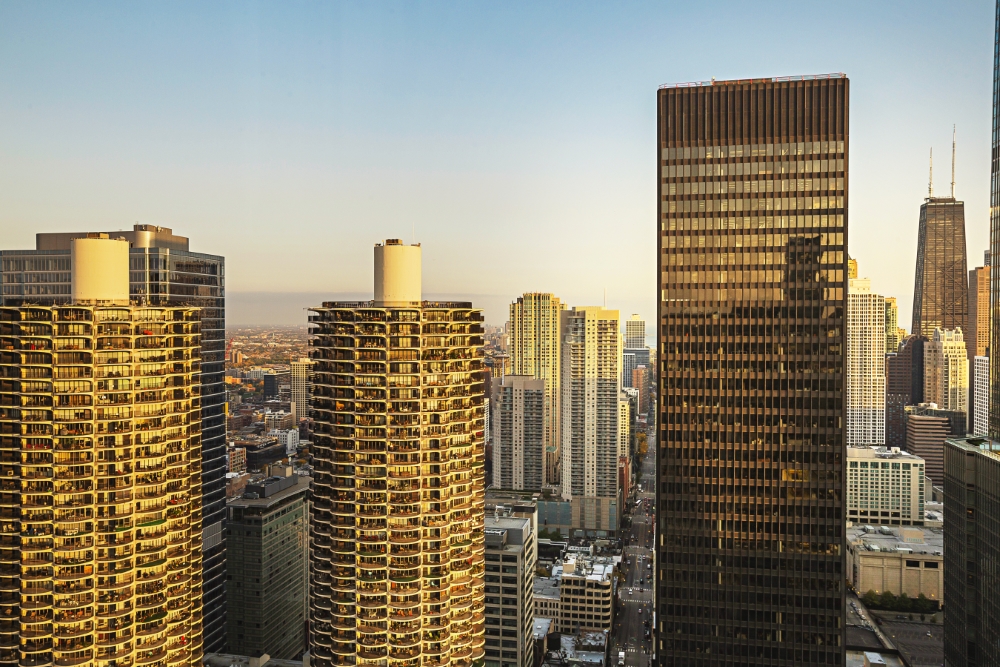
How America’s film and TV business migrated to Illinois.
by Carol Brzozowski
The Illinois Film Office notes the state is a world-class destination for film, television and advertising production and home to a thriving film industry with a nationally renowned crew base, actors and industry vendors.
Locations offer everything from “the beautiful, iconic Chicago skyline and 58-mile lakefront to the gritty back alleys and unique historic neighborhoods. Illinois boasts breathtaking natural vistas, rivers, prairies, industrial centers, picturesque farmland and small towns seemingly frozen in time,” the office points out.
MovieMaker’s annual Best Places to Live and Work as a Moviemaker in 2026 ranks Chicago the third best big city for those working in the film industry, accounting for industry investment, tax incentives, cost of living and general livability.
The Illinois General Assembly in 2025 expanded the Illinois Film Production Tax Credit Act, creating new incentives that include offering producers a credit of 35% of all qualified Illinois spending, which has attracted more than 90% of the state’s film and TV production.
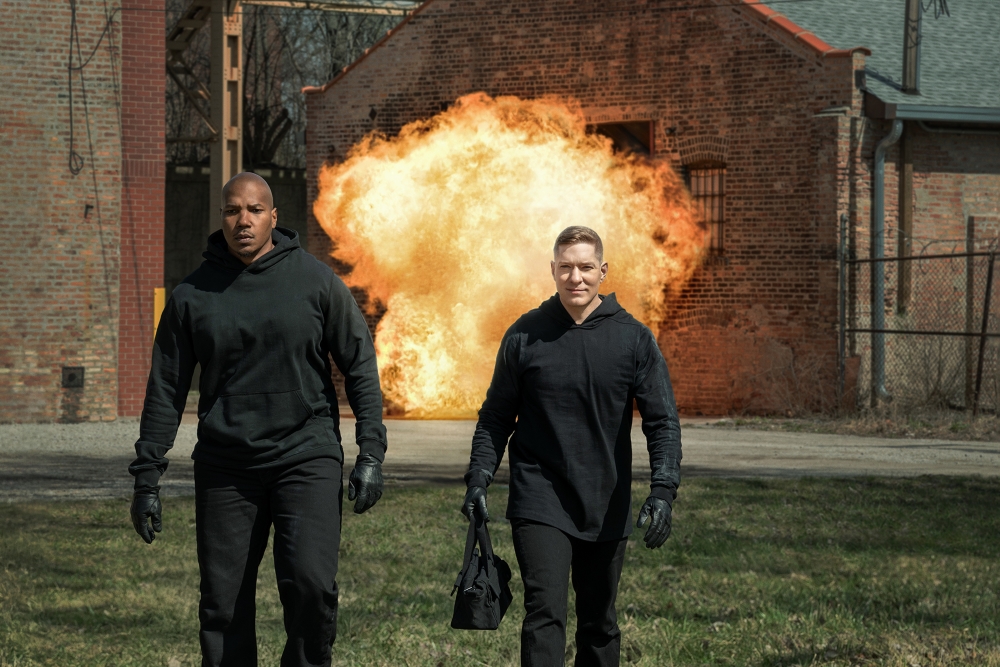
“Starz Power Book IV: Force”
All photos courtesy of the Illinois
Illinois film production companies spent a record $703 million in 2025, marking a 25% increase in film expenditures since before the COVID-19 pandemic onset.
Production companies also supported an estimated 18,000 industry hires, including local caterers, hotels, drivers and skilled union workers.
Peter Hawley, deputy director, Illinois Film Office, Illinois Department of Commerce and Economic Opportunity (DCEO), notes that what makes Illinois the best choice for the film and TV industry over other states is that beyond the tax credit, “Illinois has outstanding infrastructure, soundstages and a deep crew base not just in the Chicago area but Champaign, the Metro East region outside of St. Louis and the Illinois Quad Cities.

La Salle Street and the Chicago Board of Trade double as New York.
“Illinois offers a 5% uplift on Illinois wages for productions filming outside of the Cook County collar counties and most significantly, the first in the nation 5% uplift for a certified sustainable film production.”
A “certified green production” is one that formally commits to and achieves recognized environmental sustainability benchmarks, focusing on minimizing waste, reducing energy use and emissions through efficient transportation and equipment, utilizing sustainable materials and implementing responsible food practices.
As productions adapt to meet certification requirements, demand will increase for infrastructure such as battery systems, solar-powered trailers and renewable energy solutions accompanied by new jobs.
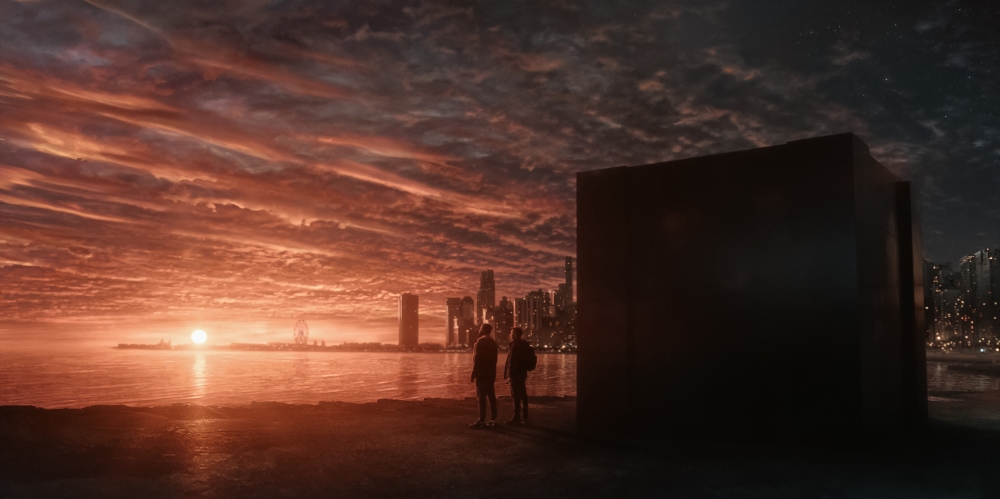
Apple TV’s “Dark Matter”
On-set changes include transitioning from paper scripts to digital tablets, replacing single-use plastic water bottles with refill stations, and reducing reliance on diesel in favor of cleaner energy alternatives.
Addressing how the Illinois workforce measures up when it comes to providing labor for film and TV initiatives that may have interest in Illinois, Hawley notes the Illinois crew base is at least “12 to 14 deep for major productions, not including the 300-plus TV commercials filmed in the state annually. Illinois crews can support any size production anywhere in the state.”
In November, Governor JB Pritzker, DCEO and the International Alliance of Theatrical Stage Employees Local 2 Chicago Stagehands marked the opening of their new training center, supported by a $5 million state grant.
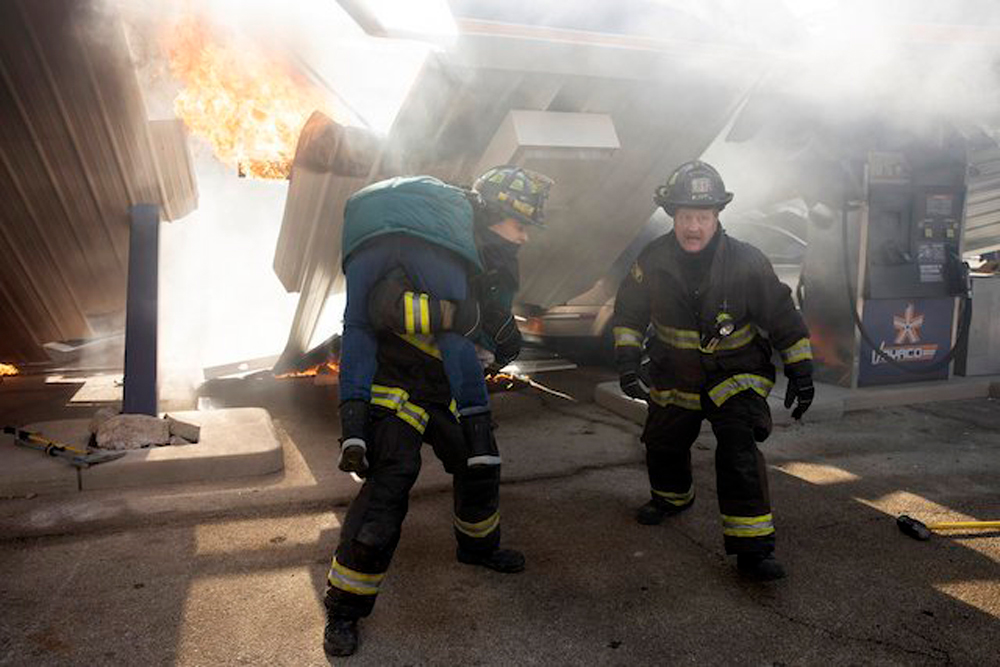
NBC’s “Chicago Fire
Since the program’s launch, the Illinois Film Office partnered with various organizations statewide to train and hire more than 600 individuals — mostly women and students of color — who are historically underrepresented in the industry.
Illinois has invested $10 million in funding to construct and upgrade film studio infrastructure through the 2024 Illinois Soundstage Capital Grant Program managed by DCEO.
In January, Governor Pritzker and DCEO joined local leaders at Flyover Film Studios to celebrate the growth of the film industry in Central Illinois. In 2025, the film industry generated $12.3 million in economic activity in the Champaign County region. With its sound stage, standing sets, and production spaces, Flyover Film Studios has become a hub of film creation.
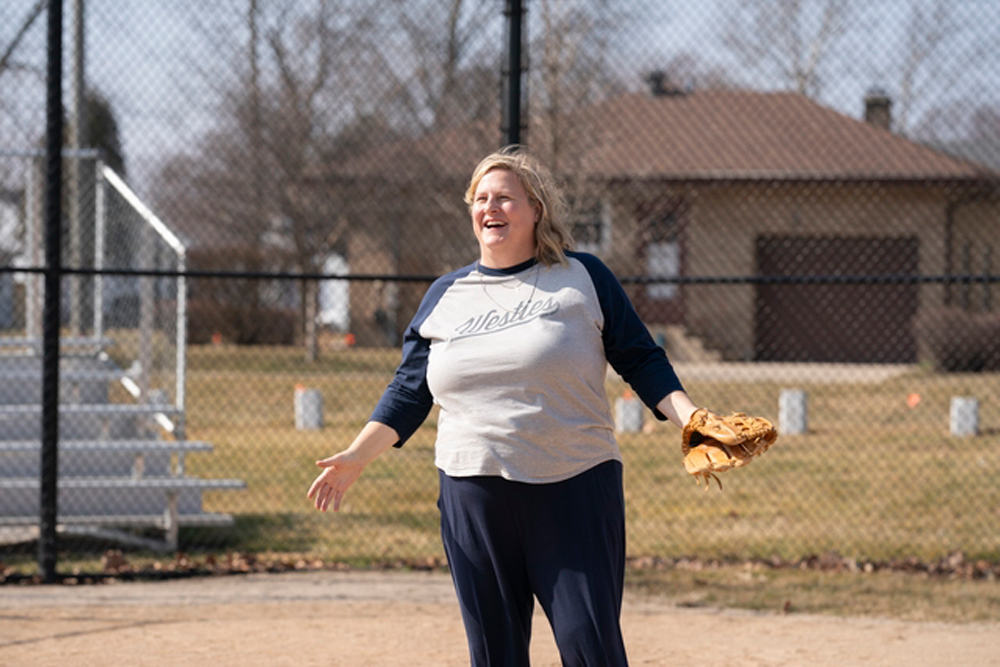
Bridget Everett filming HBO’s “Somebody Somewhere”
Operating out of the decommissioned Chanute Air Force Base, the six-acre studio’s extensive grounds and empty hangars have been used to film and produce everything from a tornado documentary to a heavy metal music video.
The resulting job creation and economic impact made Flyover Film Studios the 2025 Rantoul Area Chamber of Commerce Business of the Year.
According to Film Champaign-Urbana data, film productions based in Champaign, Ford and Piatt Counties generated $12.3 million in statewide business sales in 2025, driven by $6.3 million in direct in-state production spending at hotels, catering, transportation providers, rental housing, equipment vendors and post-production services.
The State of Illinois has directly supported the expansion of filming in the region, including a $1.1 million grant as part of the 2024 Illinois Soundstage Program.