
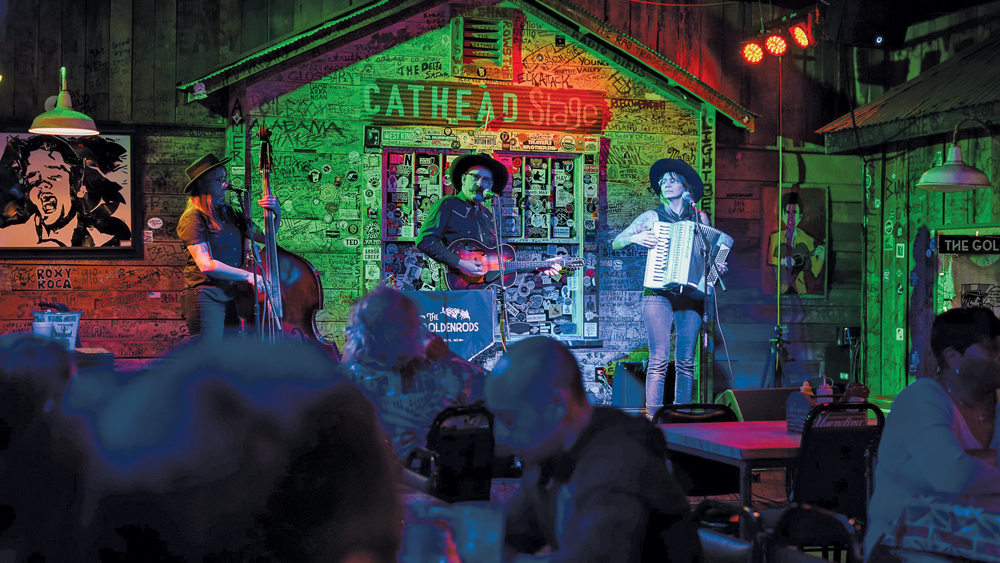
Affordability beckons many Americans to make the move to Mississippi.
by JOHN McCURRY
Mississippi’s affordability, along with its robust cultural scene and recreational opportunities, continues to make the state attractive to visitors. Mississippi regularly receives accolades touting its relatively low cost of living.
North American Moving Services recently placed the state at the top of the list of the Cheapest States to Live in America in 2026. The company analyzed average household income, median home price, average housing cost, average grocery costs, average utilities, inflation costs and state income taxes.
Motley Fool reports similar affordability findings, with Mississippi having the third least expensive monthly median mortgage payment at $1,448.
By various measures, the relative cost of living in Mississippi is among the lowest in the U.S., notes Corey Miller, the state economist for Mississippi and director of the University Research Center at the University of Mississippi in Oxford.
“Our housing costs are generally driving a lot of that,” Miller says. “As a rural state, most of our housing tends to be less expensive. We don’t have a lot of urban areas that drive a lot of it. Your dollar can go further in Mississippi compared to many other states. For people who like the more rural lifestyle, it’s a nice feature.”
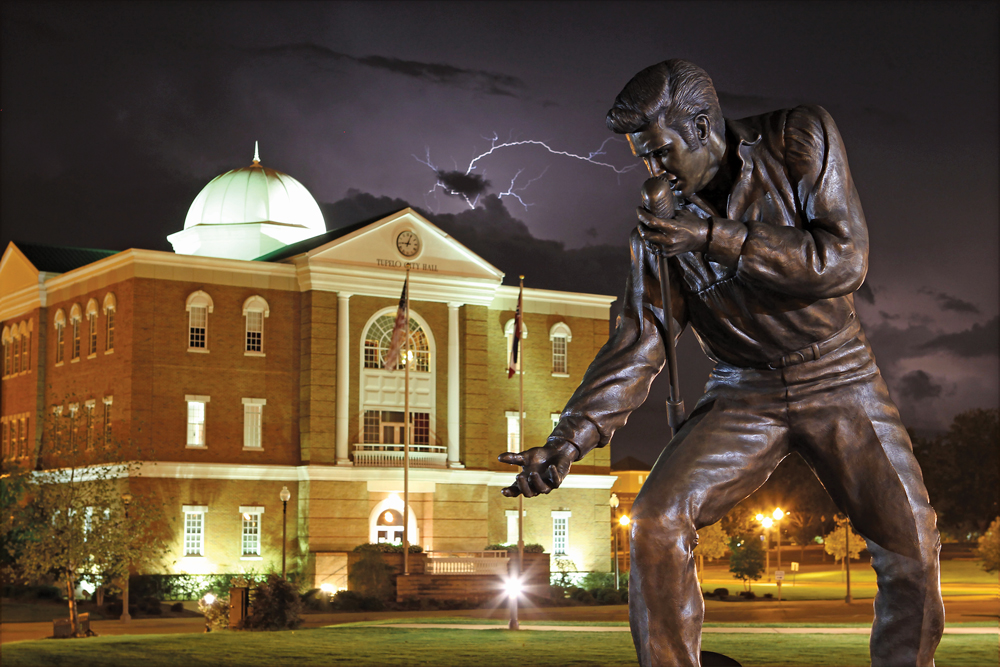
The famous Elvis Presley statue in front of Tupelo City Hall.
Photo courtesy of Tupelo CVB
Miller describes the state’s economy as being in the upper half among states. “We came out of the pandemic in a lot better shape than other states did. A lot of that has to do with the fact that the pandemic really impacted the service sector more than it did the production sectors in agriculture and manufacturing. The state came out in better shape, particularly in our labor market. We have lower unemployment relative to most of the country.”
Miller also thinks the state’s recent improvements in education rankings, particularly in reading, could spur economic development benefits down the road. “In the short term, it probably hasn’t had a lot of impact yet. But if we can sustain this, and people start taking another look at the state over time, that will help us in terms of getting industries here. It goes back to a quality-of-life issue.”

Loco Taco is a local favorite in Tupelo.
Photo courtesy of Tupelo CVB
Mississippi’s abundance of cultural activities and outdoor recreation opportunities also are significant factors boosting living standards. Rachel Carter, a Mississippi State University Extension specialist in community development, downtown revitalization and tourism, says the state has a vibrant arts and cultural scene. Carter cites Carthage, a small town of less than 5,000 people in the center of the state, as having done a great job of renovating empty buildings and filling them with new businesses.
“The local community got behind that effort, and they’ve done a great job. It’s a beautiful square that they’ve been enhancing. They’ve got a small boutique hotel now, and some retail shops,” she says.
Carter points to the work done to promote the state’s rich music heritage. “We’ve done a lot of work in the state to focus on the development of the Blues Trail in the Delta region,” she says. “There’s other parts of the state that focus on music and art history, like the Mississippi Hills National Heritage Area that is part of the National Park Service,” which focuses on preservation and enhancing the cultural events and history in the Northeast region of Mississippi.
The state is also enhancing its many outdoor recreation opportunities. The Mississippi Gulf Coast National Heritage area has recovered from Katrina damage and is now thriving due to revitalization efforts. Carter did a study a couple of years ago and learned visitors to the Mississippi Gulf Coast produced an estimated economic impact of $145 million.

Double D Farms produce is a popular seller at local farmers markets in Mississippi.
Photo courtesy of Visit Mississipppi
Portions of the state’s robust state parks system have seen major enhancements over the past few years. Seven Mississippi state parks have undergone renovations, focusing on campground upgrades. These enhancements, which added full hookups and larger campsites, have attracted more campers, especially those with large RVs.
State Parks Director Andrew Hollis anticipates a bustling summer this year.
“With these new upgrades, people have really been pouring into our parks,” Hollis says.