|
Following earlier announcements of new offices in Montana and Utah, the U.S. Patent and Trademark Office (USPTO), which has taken to calling itself “America’s Innovation Agency,” announced on July 6 it had selected innovation ecosystem partnerships in Alabama and Georgia to further the expansion of its Community Engagement Office. “The selection of Georgia and Alabama will focus particularly on Historically Black Colleges and Universities (HBCUs) and Minority-Serving Institutions (MSIs),” the agency stated, noting that it’s been reimagining its university partnership footprint “to build an agile model of meeting innovators where they are, and more importantly, driving commercialization, manufacturing and marketplace adoption.
“In Georgia,” the announcement continued, “the USPTO will work with universities in the Atlanta University Center Consortium (AUCC–Clark Atlanta University, Morehouse College, Morehouse School of Medicine, Spelman College) and the Center for Black Entrepreneurship (CBE–founded by Spelman, Morehouse, Black Economic Alliance Foundation, and Bank of America) which has a national reach with its experiential Launch Incubator for Traction (LIFT) program.” The Georgia ecosystem partnership will emphasize commercialization, entrepreneurship, branding, startup ecosystems and innovation acceleration, the agency stated.
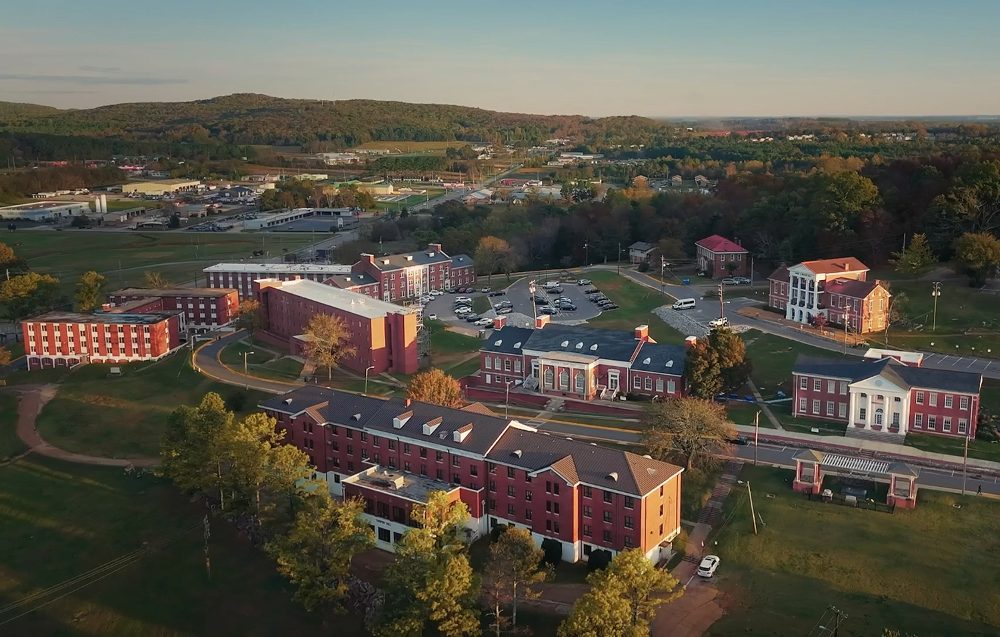
In Alabama, “the USPTO will work with Alabama A&M University and the broader Huntsville-area innovation ecosystem, including stakeholders connected to aerospace, advanced manufacturing, defense technologies, space commercialization and STEM workforce development,” the USPTO said. “Huntsville serves as one of the nation’s leading strategic technology corridors with substantial federal research, engineering, and commercialization activity connected to NASA’s Marshall Space Flight Center, Redstone Arsenal, and the region’s advanced manufacturing and aerospace sectors.”
The USPTO said the choice of Alabama and Georgia was based on “robust research activity and graduate-level programs of study in areas which lead to innovations, IP and IP-intensive companies/industries; availability and concentration of existing commercialization and business development resources, and the ability to support all innovators.
How can you measure the patents associated with geographic locations? In January 2024 we posed that question to USPTO staff for a Site Selection Snapshot titled “Looking for Innovation Locations? Take a Dive Into the Patent Data.” As we wrote then, the work using their data tools can be worth it because it can “provide not only a statistical dimension to a location search, but direct connections to a region’s under-the-radar intellectual property domains.”
|