In the first installment of a two-part report, Wendi J. Gedzun, senior director, Solutions Development, at JLL, looks through the lens of a steel plant site’s redevelopment to understand the chasm between national support for digital infrastructure and local support for a specific project.
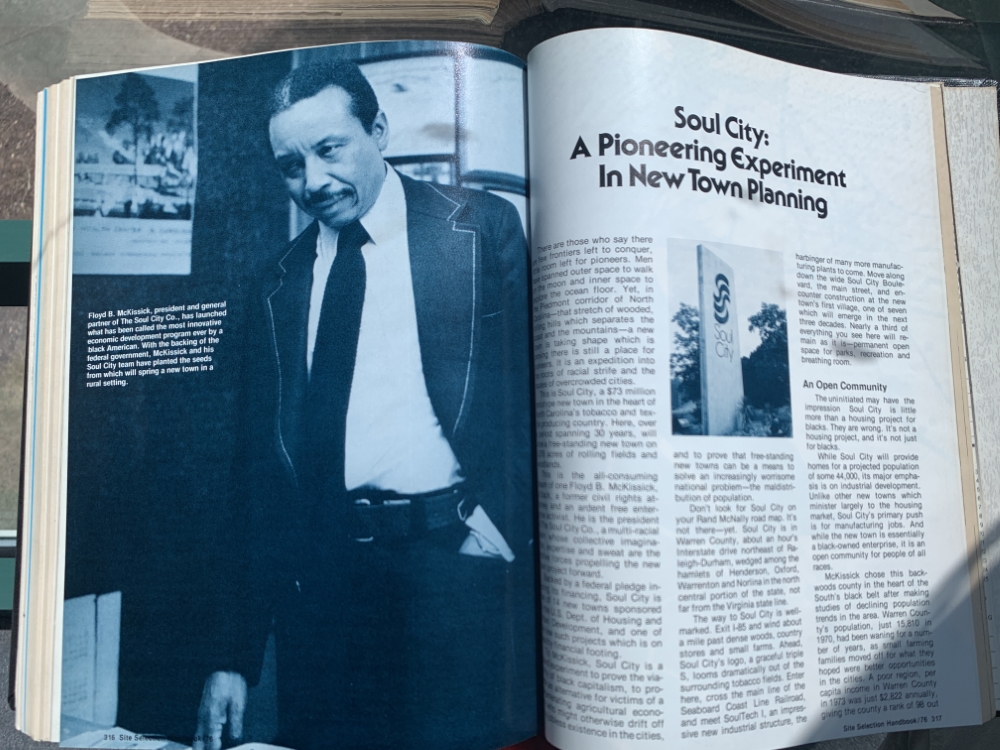
I frequently find myself walking over to Site Selection’s complete 72-year archive to grab a volume at random to remind myself about things that have changed and things that have not. Two weeks ago I was seeking something from our nation’s bicentennial year to highlight in this newsletter when I came across a 16-page Site Selection Investment Profile we produced for the 1976 edition of our annual Site Selection Handbook about a unique new development in North Carolina called Soul City. Conceived by civil rights leader Floyd McKissick (pictured above) as a community dedicated to racial equality, the project was ultimately derailed by inaccurate reporting and by Senator Jesse Helms.
The whole story is told in the 2022 book “Soul City: Race, Equality, and the Lost Dream of American Utopia” by Seton Hall University Board of Visitors Distinguished Professor of Law Thomas Healy, who researches and writes in the fields of constitutional law, freedom of speech, legal history, civil rights and federal courts. The book won the Hooks National Book Award, was named one of the best books of the year by Library Journal and was selected as a New York Times Book Review editor’s choice, with the Times calling it “one of the greatest least-told stories in American history.”
I wrote to Prof. Healy to alert him about our 1976 piece, to which he replied, “I am very familiar with the piece your company published on Soul City. It was in the Soul City archives at UNC [University of North Carolina Chapel Hill] and I relied heavily on it for various facts and figures.”
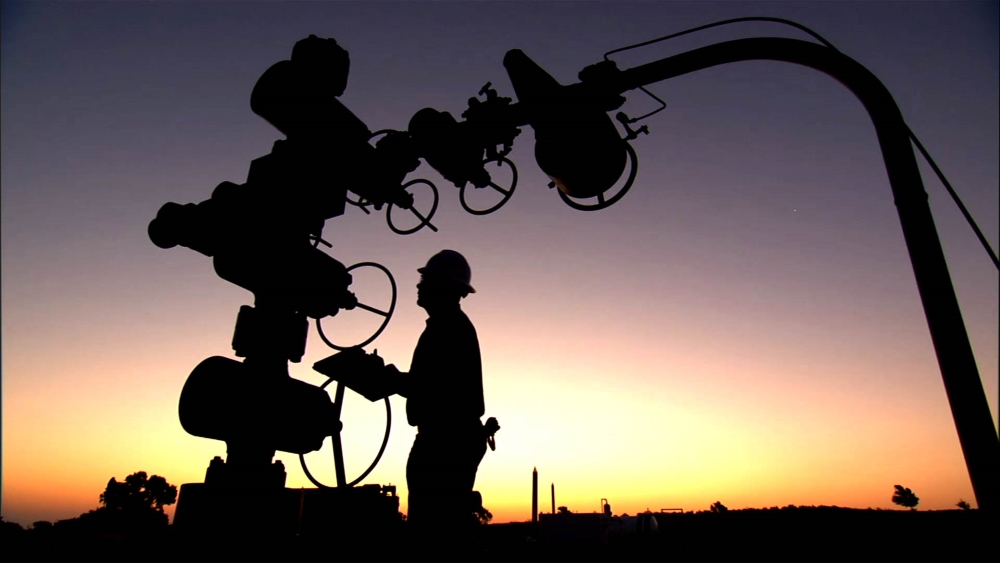
The Sooner State is a strong contender for a number of new developments across AI, data centers and advanced manufacturing due to its position as a nationally recognized energy leader.
Corporate Facility: 350 Mission Street in San Francisco, California, managed and owned by Kilroy Realty Corporation.
Earth: 325 Binney Street in Cambridge, Massachusetts, managed and owned by Alexandria Real Estate Equities.
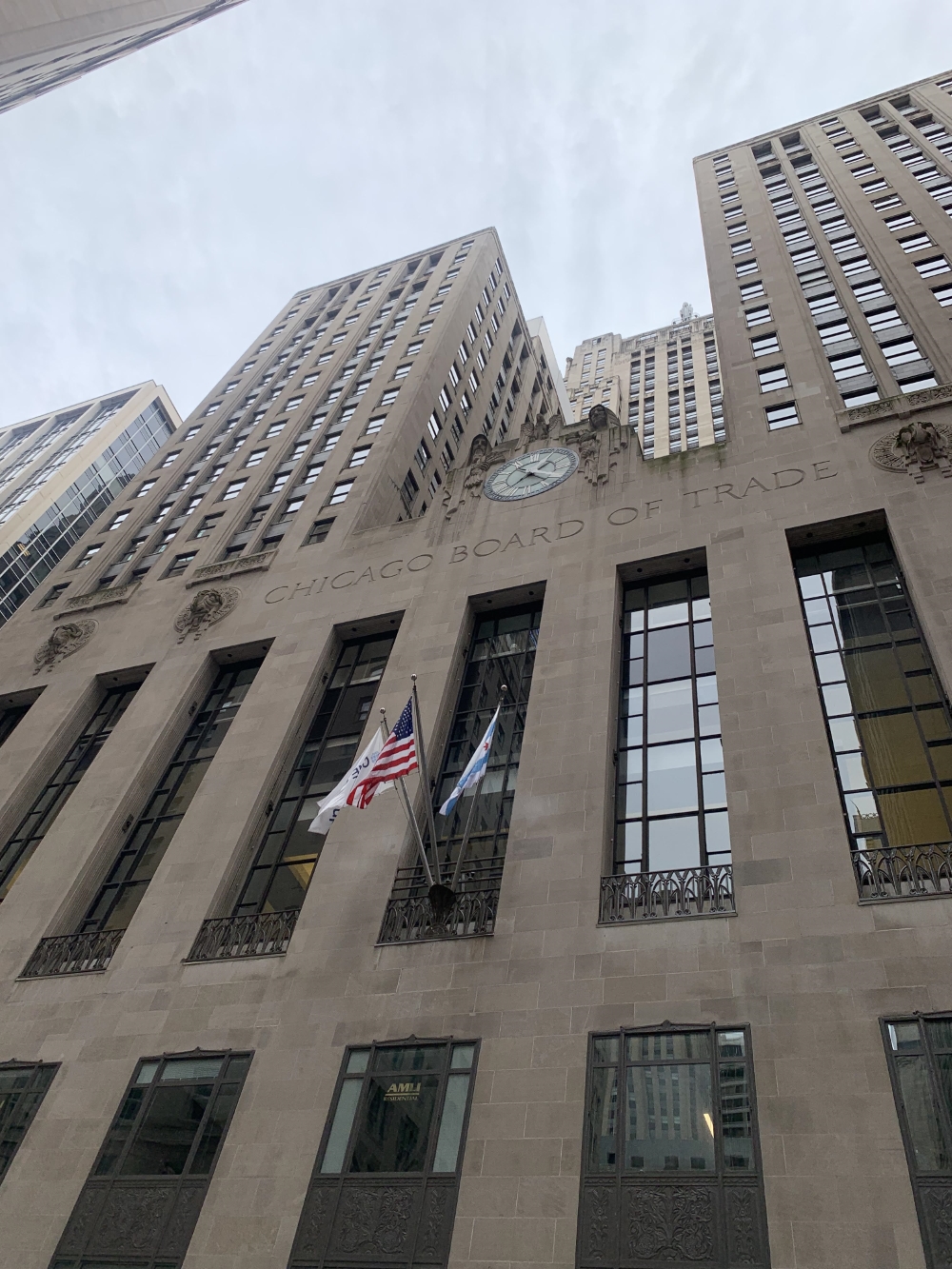
Historical Building: The Chicago Board of Trade Building in Chicago, Illinois (pictured), managed by R2 Companies and owned by Apollo Global Management, LLC.
Industrial Building: Transport Depot in Edmonton, Alberta, Canada, managed by QuadReal Property Group and owned by bcIMC Realty Corporation and Canadian Core Real Estate LP.
Life Science Building: Gateway of Pacific South San Francisco, California, managed and owned by BioMed Realty.
Mixed-Use: RBC Gateway in Minneapolis, Minnesotamanaged by JLL and owned by Spear Street Capital.
PHOTO OF THE DAY
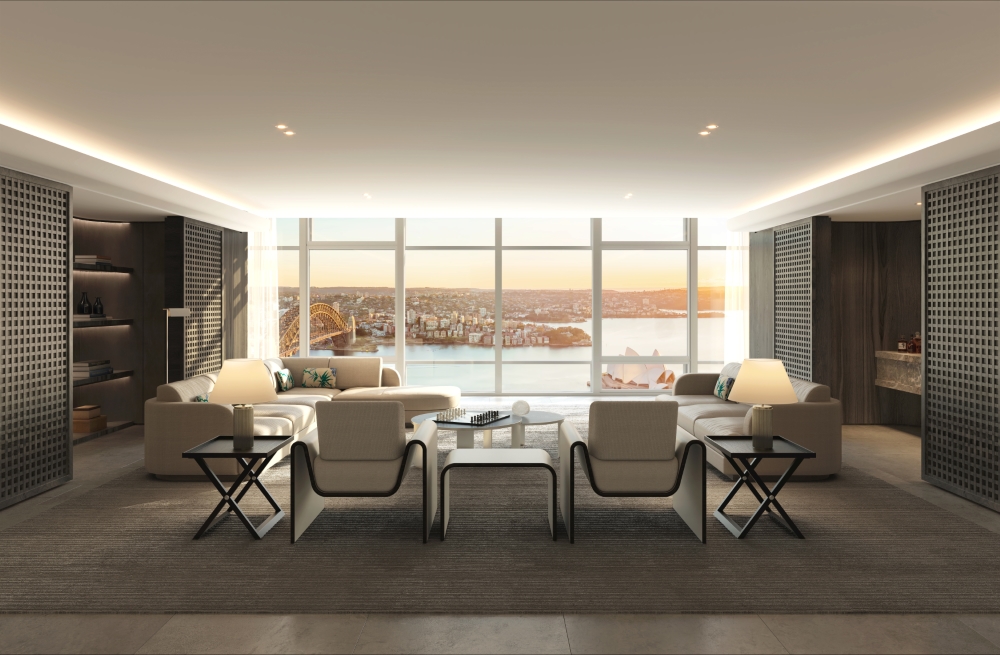
Photo courtesy of Lendlease
In early July Lendlease and Armani/Casa unveiled the Cove Residence, which they called “Australia’s first private residence by a global design house and the first private home in the country to be developed in collaboration with Armani/Casa.” The 537-square-meter (5,780-sq.-ft.) sub-penthouse occupies an entire floor on level 53 of One Circular Quay in Sydney and is priced between AU$60 million and AU$70 million (US$41.7 million and $48.6 million).
A release from the partners stated that branded residences “are among the fastest-growing segments in global luxury real estate, with the number of branded developments worldwide forecast to rise by 59% in the five years to 2029, according to Knight Frank’s Global Branded Residence Survey 2025. Cove marks Armani/Casa’s first collaboration in Australia, joining a global portfolio of residences in cities including New York, Miami, Dubai, Istanbul, Mexico City, Rio de Janeiro and Beijing.”