Oklahoma-based USA Rare Earth will invest $1.2 billion in a magnet and refined rare earth metals production facility at Bailey Industrial Park in Blacksburg, South Carolina. Private investment firm Ardian and its portfolio company Verne announced plans to deliver a $5.8 billion, 500-megawatt (MW) data center campus within the Île-de-France region of France. Intel and 3D Glass Solutions (3DGS) will build a new $3.3 billion advanced packaging glass core substrate manufacturing facility in the Bhubaneswar-Khurda region of Odisha, India.
After 105 years in Sioux City, the Sioux Honey Co-op sticks with what works. Plus a look at the Iowa Competitive Dashboard from the Iowa Business Council and a new expansion at an important DOE national laboratory in Ames.
Siemens Mobility will open a new manufacturing and rail services center in North Carolina. Meta raises the stakes to $9 billion at its El Paso data center campus. Mercedes-Benz will invest $4 billion in Alabama. A $1.7 billion uranium enrichment facility comes to Kentucky. Nestlé Mexico grows its operations in multiple locations. L3Harris will spend over $1 billion on a new rocket manufacturing site in Virginia.
Photo courtesy of Northern Indiana Commuter Transportation District
The bombshell announcement dropped late last week in a terse statement from the Chicago Bears: “Yesterday, the Chicago Bears Board of Directors met and voted to advance our stadium development project in Hammond, Indiana, with the exact site to be selected,” wrote Chicago Bears Chairman George H. McCaskey and President & CEO Kevin Warren. “We believe a world-class stadium project in Hammond will transform the region, connecting Northwest Indiana to the South Side of Chicago through the Loop and across neighborhoods and suburbs stretching north of the city. It will bring Chicagoland together and deliver new opportunities to its residents and businesses.”
What made Northwest Indiana think it could compete for this prize? Site Selection’s Ron Starner found out in “How Indiana Leverages Sports for Economic Growth,” published in March, when Northwest Indiana Forum President & CEO Heather Ennis told him, “I think people should not count out Indiana.”
A release from the Northern Indiana Commuter Transportation District, which operates the popular South Shore Line, said the pending stadium development “creates an opportunity to support increased use of public transportation, allowing thousands of fans to travel to and from a stadium more efficiently and in a more coordinated manner … In addition to transportation benefits, the Hammond site offers the capacity for a broader mixed-use campus, including restaurants, retail and entertainment amenities that could complement the stadium and contribute to long-term economic growth in the region.”
Check out these two new resources to analyze your global value chain and global supply chain:
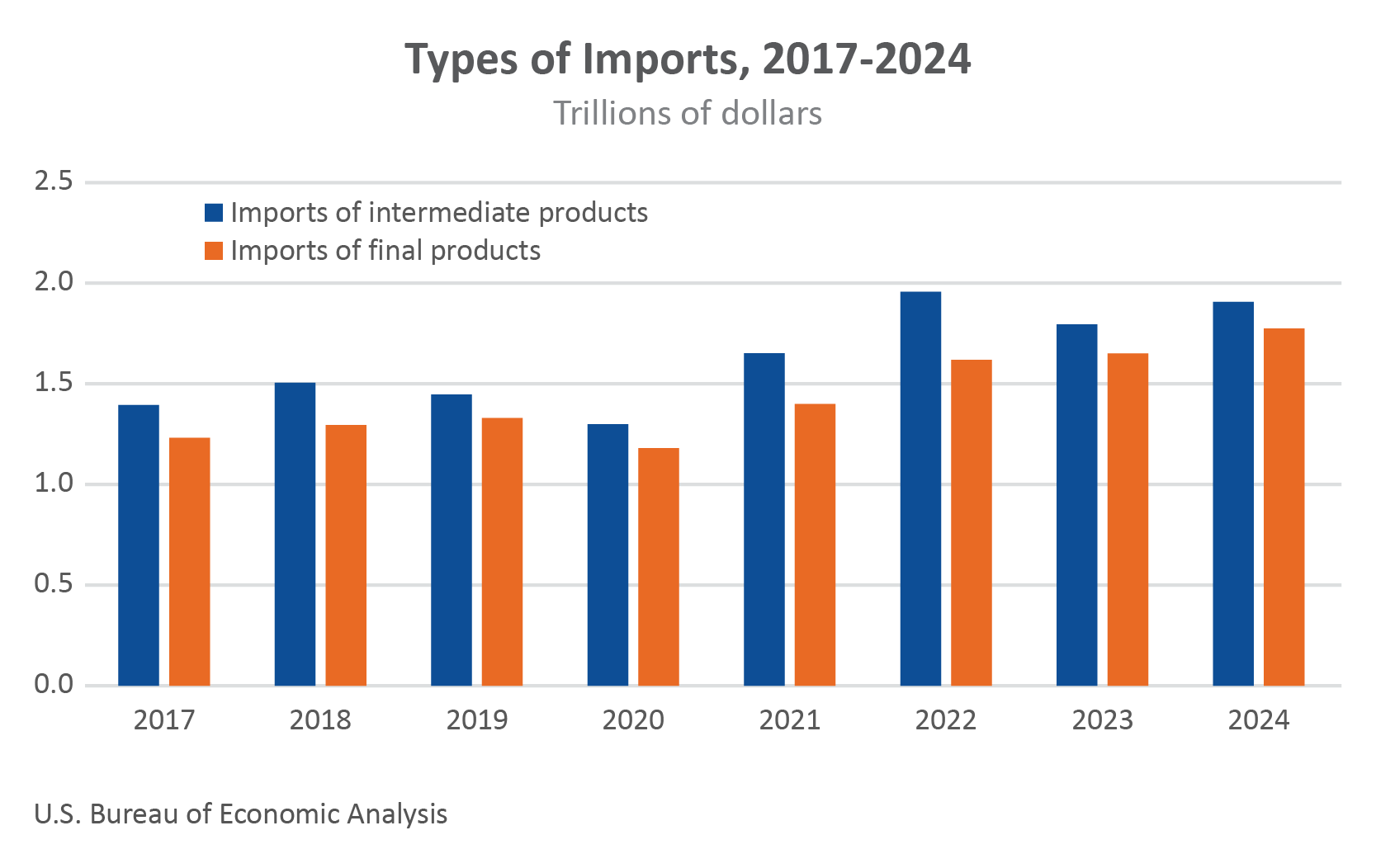
The U.S. Bureau of Economic Analysis in May released new and expanded statistics on the role of global value chains in the U.S. economy. “This release marks an expansion of global value chain statistics (also called trade in value added) to include each of the major components of GDP: consumer spending, investment, government spending, and exports,” the BEA explained. “The statistics, for example, provide information on consumer purchases of domestically produced items versus imported items. Previously, these statistics were available just for U.S. exports.” The new approach also includes a global value chain analyzer with interactive data.
In London in late May Cushman & Wakefield released analysis of 135 global logistics markets in its Waypoint 2026 report. Among other findings, the report indicates that “the proportion experiencing tenant favorable conditions is expected to fall from 52% in 2026 to 33% by 2029 as vacancy tightens and supply remains constrained.” The most abrupt shift is expected to occur in the Americas, said a Cushman & Wakefield release: “This transition is driving more decisive action from occupiers, particularly in major U.S. logistics hubs such as California’s Inland Empire, Atlanta and Indianapolis where supply and demand are coming back into alignment,” the firm said. “Nearshoring and manufacturing investment continue to support demand in Mexico, notably in markets such as Monterrey and Tijuana, reinforcing long term location strategies.”
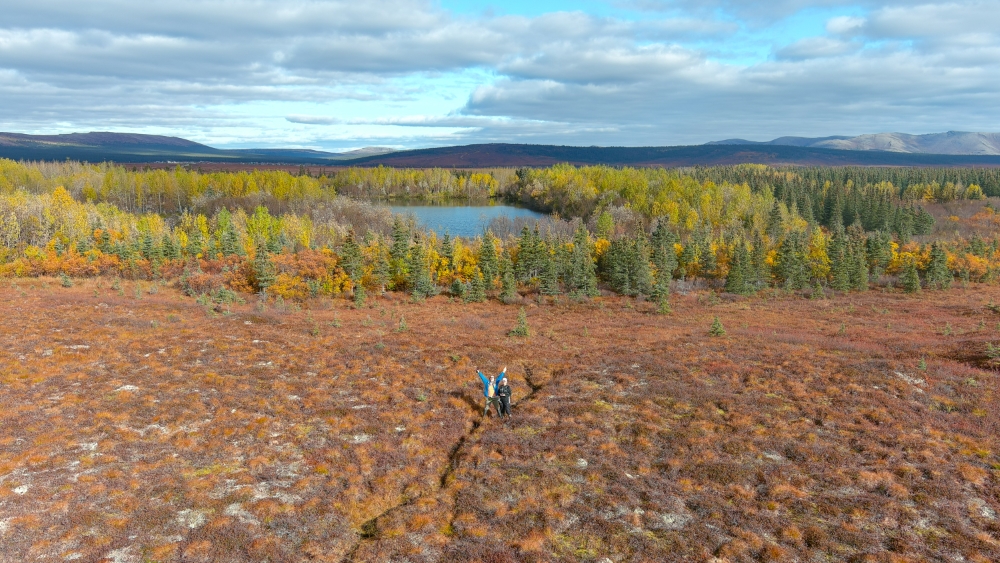
PHOTO OF THE DAY
Researchers from Oak Ridge National Laboratory in 2024 gathered data in the Alaskan tundra “to better understand how climate change affects these delicate ecosystems,” said a release from ORNL. Learn more about the U.S. Department of Energy’s terrestrial ecology work here.