Based on pure hype, you might think the top sector represented among the 5,000 fastest-growing companies in the United States would be the Artificial Intelligence & Data category. But no: It’s the hype industry itself.
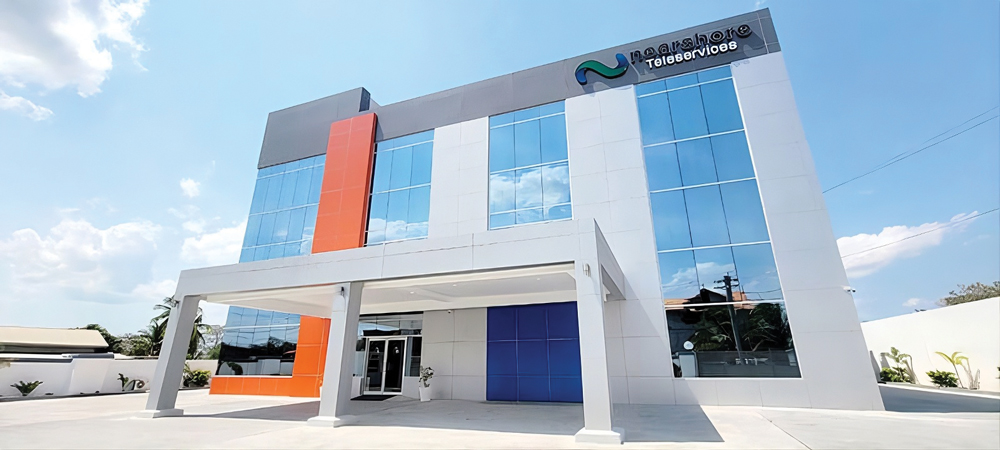
In an expanded online edition of his analysis of contact centers and business process outsourcing (BPO), Site Selection Group CEO King R. White writes, “What has always been true is that the industry moves — and the geography of where it moves reflects deeper economic and operational forces that site selectors ignore at their own peril.”
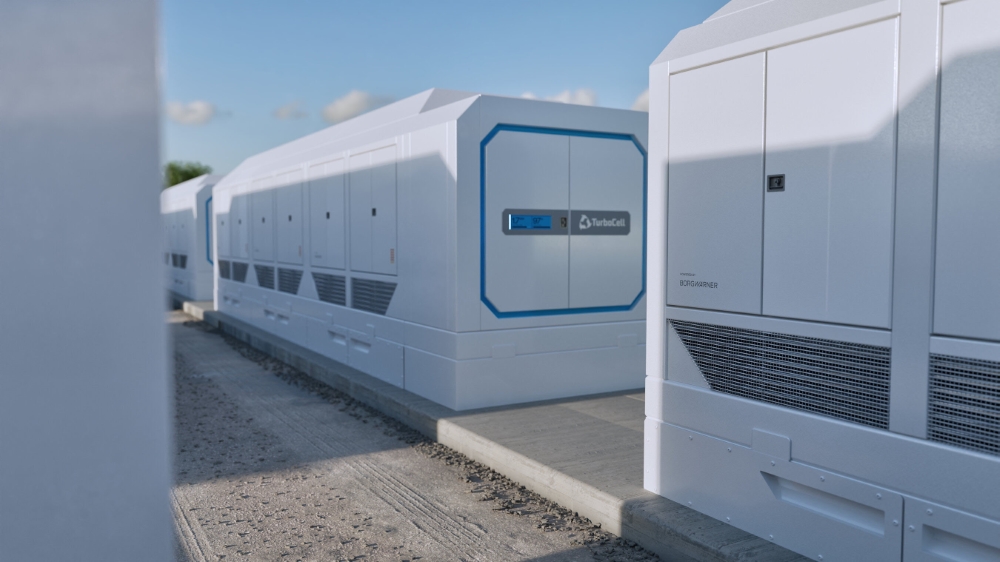
BorgWarner expects production of turbine generator systems for data centers to begin in Hendersonville, North Carolina, in 2027, with an initial 2 GW of capacity installed. The company, which also has a plant in Arden in Buncombe County, has announced multiple expansions in Hendersonville over the past year.
Rendering courtesy of BorgWarner
North Carolina Governor Josh Stein and the Governor’s Recovery Office for Western North Carolina (GROW NC) in September unveiled the Western North Carolina Economic Recovery Plan, a long-term framework to rebuild and grow the region’s economy and manufacturing as western North Carolina marked two years since Hurricane Helene. Documents show Henderson County has welcomed nearly $293 million and around 780 new jobs connected to new business announcements and expansions since October 2024, as well as a 3.6% increase in visitor spending in 2025. Buncombe County has welcomed $388 million in new investments and more than 720 new jobs since Helene.
“For two years, western North Carolinians have not taken a day off on rebuilding,” Stein said on Monday. “As we mark this milestone and celebrate the people who are powering the region’s recovery, real work remains. The state will stay steadfast in our support, and Congress needs to take up my $10 billion request to appropriate new funding and power the next leg of recovery.”
Read Ron Starner’s award-winning September 2025 account of how the region responded in “Helene’s Heroes.”
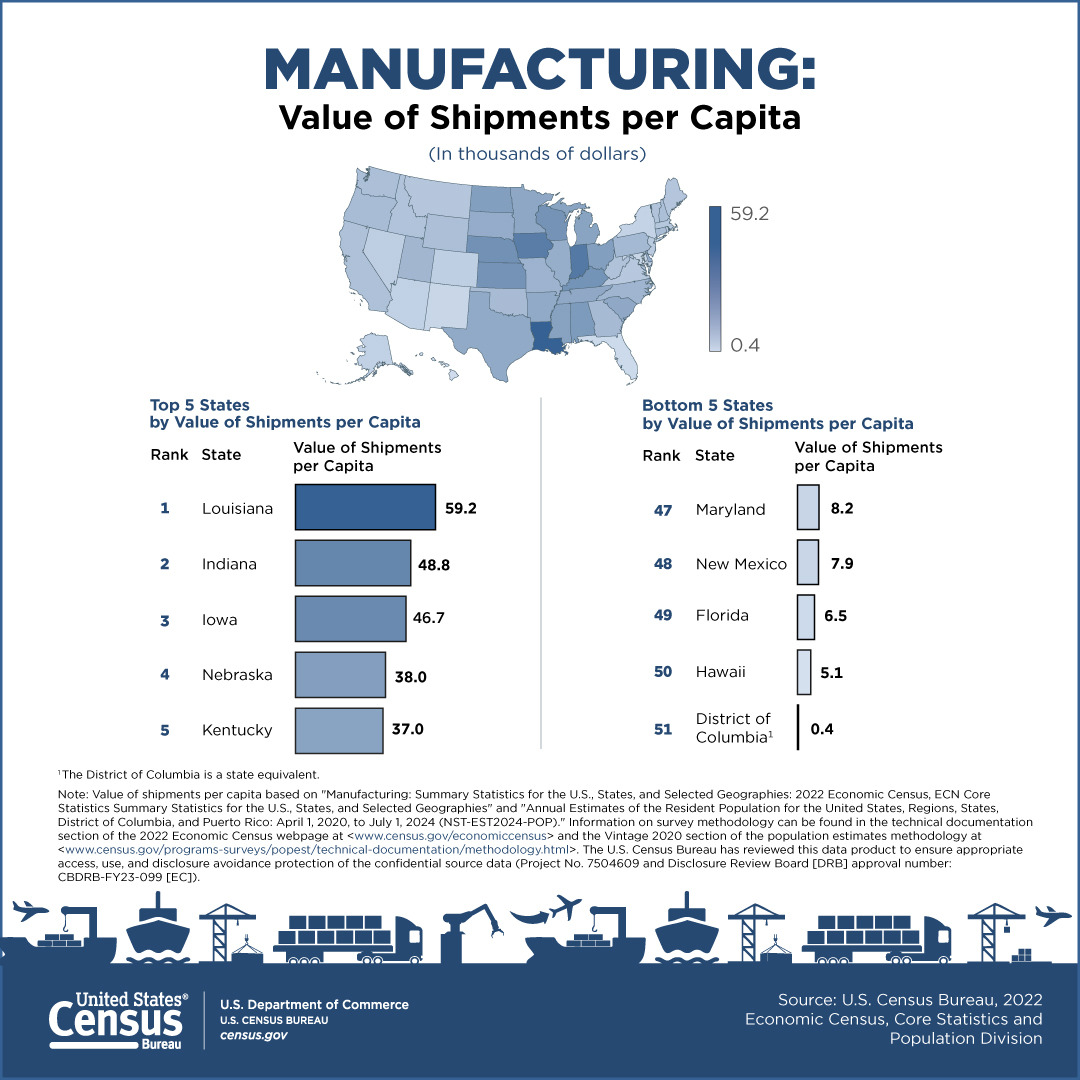
Tomorrow, October 2, is Manufacturing Day. “Observed annually on the first Friday in October, Manufacturing Day celebrates the benefits and potential of modern manufacturing while encouraging greater interest in manufacturing careers,” says the U.S. Census Bureau, which maintains a Manufacturing Week homepage featuring valuable manufacturing statistics, data products and resources.
In support of Manufacturing Day, America Makes, the National Additive Manufacturing Innovation Institute, based in Youngstown, Ohio, is launching a nationwide series of hands-on “3D Printing for Drones” experiences designed to introduce high school students to the intersection of 3D printing, also referred to as additive manufacturing (AM), engineering and drone technology.
“Building upon the success of a recent summer camp hosted at Missouri University of Science and Technology, and held in collaboration with Innovate Learning, America Makes is expanding the concept to engage students across the country through immersive Design + Build + Fly activities,” the organization announced this week. The half-day Manufacturing Day experiences will be held in five states: Ohio, Pennsylvania, Texas, Alabama, and California.
“Whether you’re just beginning your exploration of the additive manufacturing industry, interested in advancing your skills, or looking to make a transition into the manufacturing industry, please visit https://www.americamakes.us/amnation/tools/ to learn more,” the organization says. “To run your own ‘3D Printing for Drones’ activity, available in multiple time length options, you can access the free curriculum by clicking HERE.”
PHOTO OF THE DAY
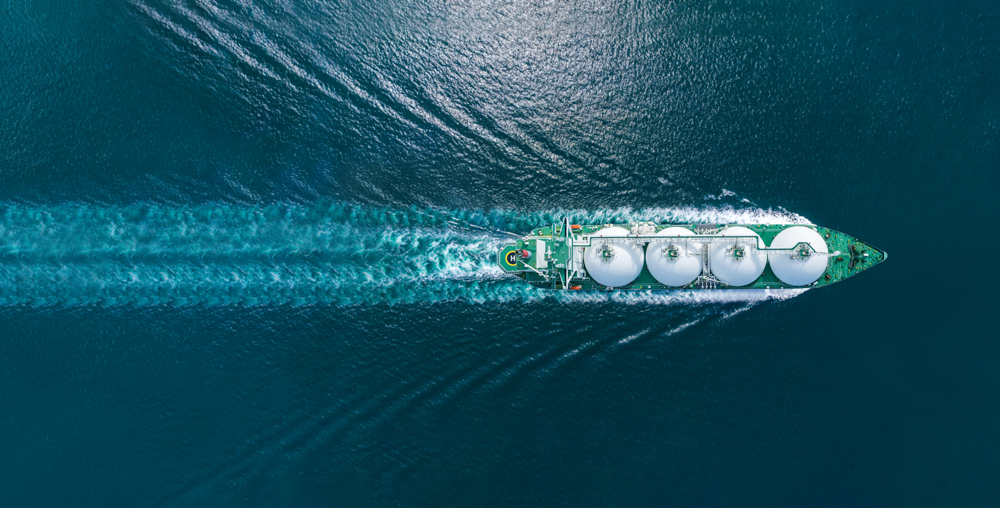
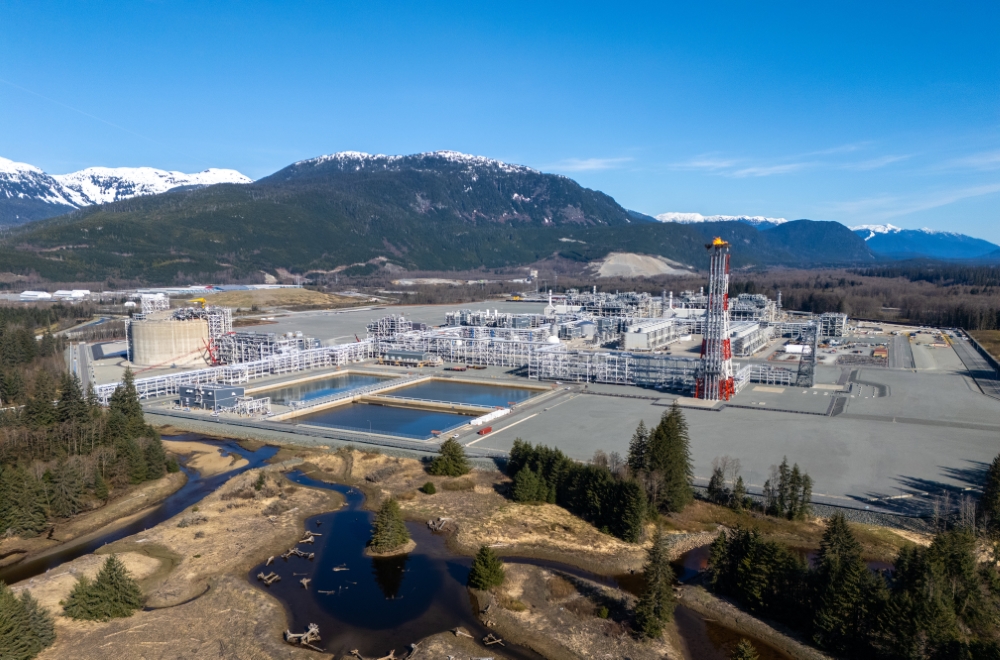
LNG Canada Phase 2 builds on the current Phase 1 footprint and infrastructure in Kitimat, British Columbia, that were designed and engineered from the outset to support the first large-scale, four-train LNG export facility in Canada.
April 2026 photo courtesy of LNG Canada
LNG Canada on Monday announced that its Joint Venture Participants Shell, PETRONAS, PetroChina, Mitsubishi Corporation and KOGAS have taken a Final Investment Decision (FID) on the LNG Canada Phase 2 expansion project in Kitimat, British Columbia, in the traditional territory of the Haisla Nation. The decision marks the next step in LNG Canada’s development as a British-Columbia-based Project of National Significance, representing one of the largest private sector investments in Canada, building on LNG Canada’s Phase 1. The facility has a 40-year export license and commenced shipping operations on June 30, 2025.
“LNG Canada Phase 2 is another nation-building investment that demonstrates Canada can build big things when governments, First Nations partners, local communities, skilled trades, contractors and investors work together with shared purpose,” said LNG Canada President and CEO Chris Cooper, President and CEO. “With FID secured, Phase 2 will double LNG Canada’s capacity from 14 to 28 million tonnes a year, putting LNG Canada on a trajectory to become one of the largest LNG facilities in the world and helping move Canada toward becoming one of the world’s top five LNG exporting nations.”
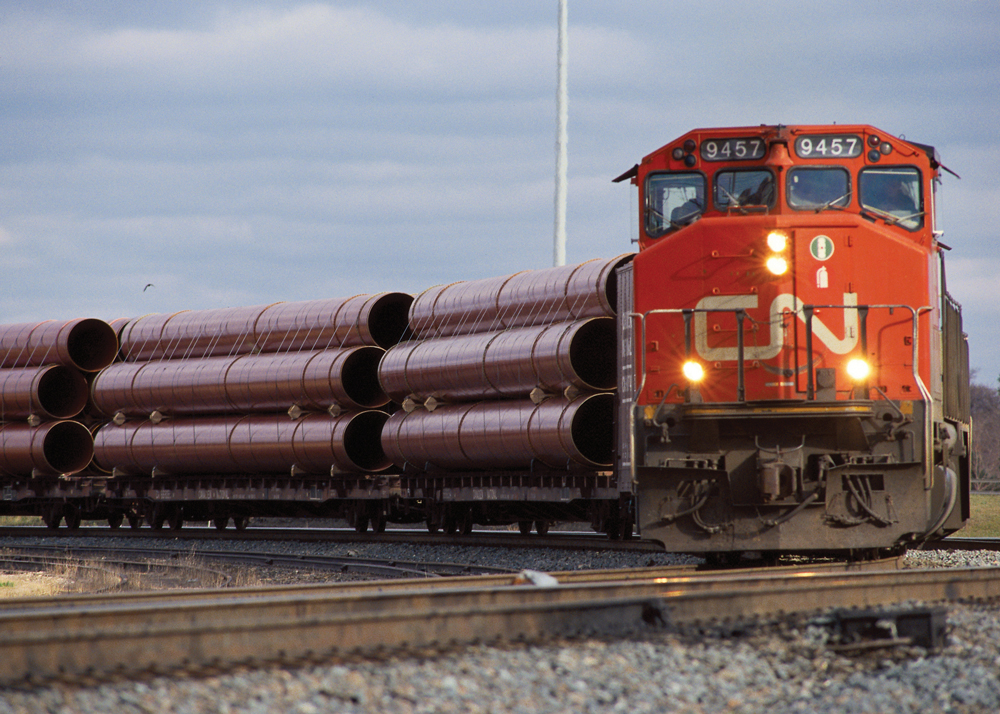
LNG Canada’s initial construction created significant employment opportunities in B.C. and across Canada with more than 50,000 Canadians contributing to the delivery of Phase 1, while the connecting Coastal GasLink (CGL) pipeline employed more than 25,000 Canadians, the company said. “At peak construction, Phase 2 is expected to host up to 4,000 new construction jobs in Kitimat,” LNG Canada stated Monday, “alongside approximately 2,100 jobs required to build new compressor stations along the CGL pipeline.”