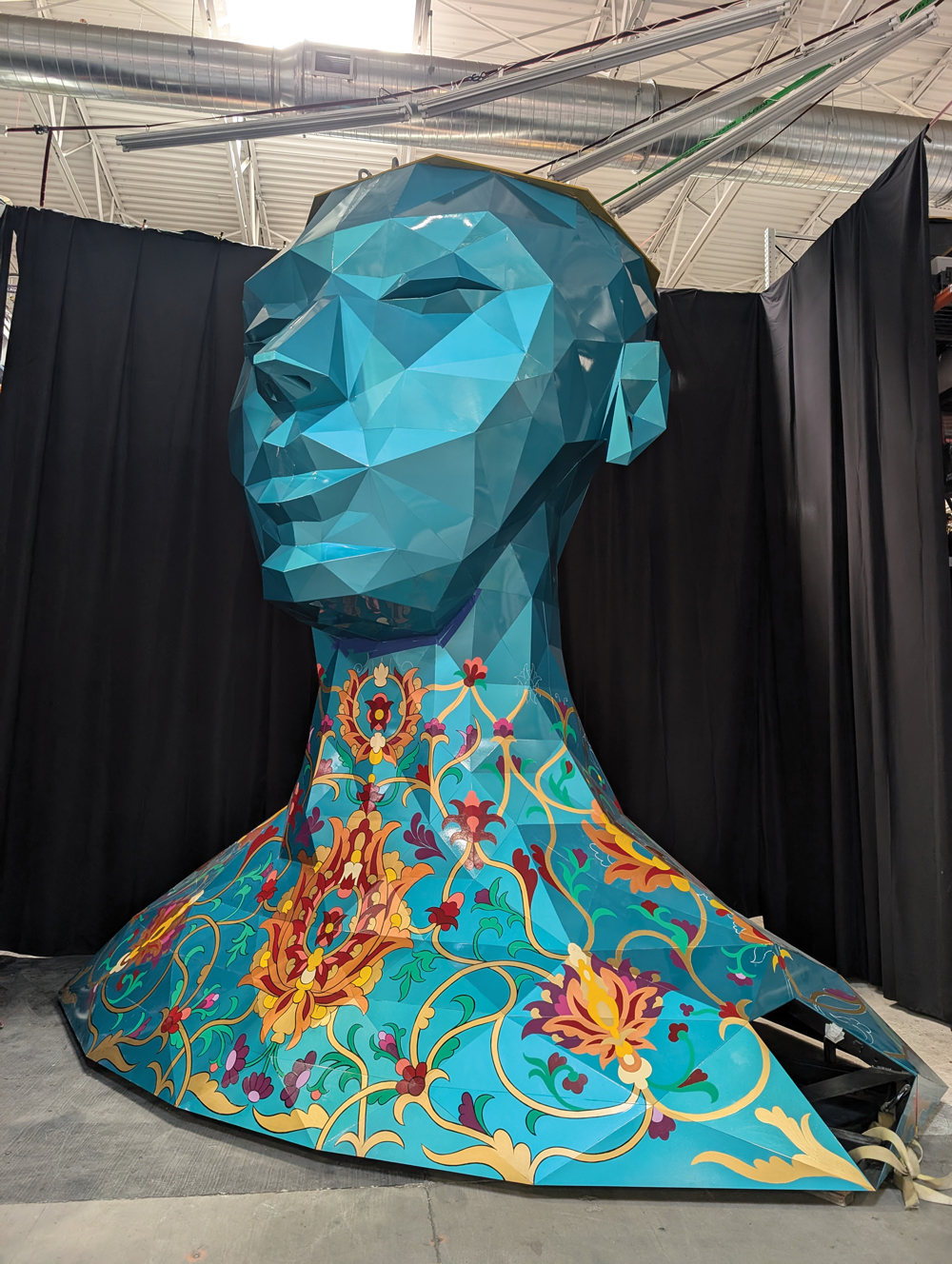
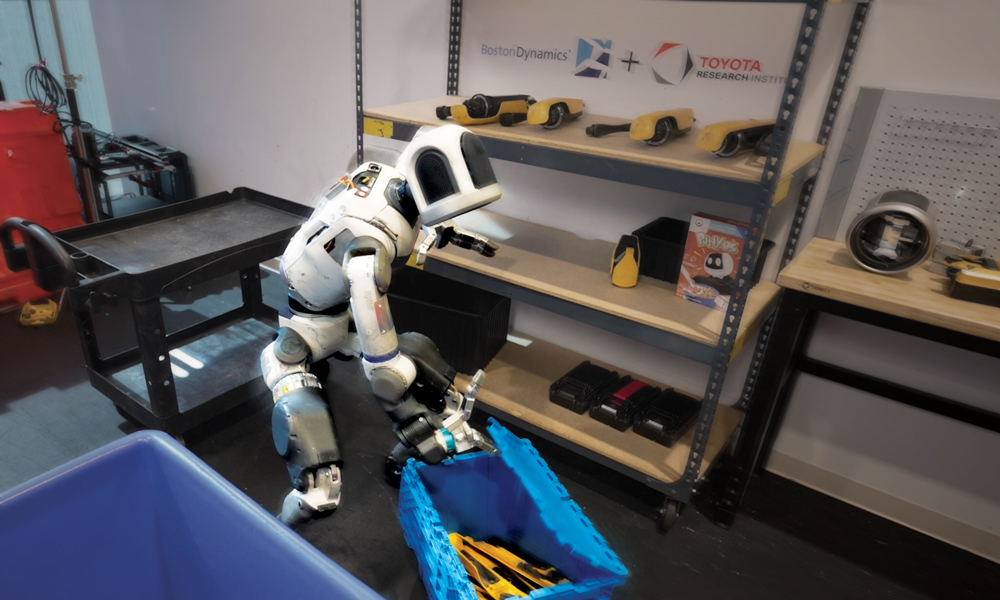
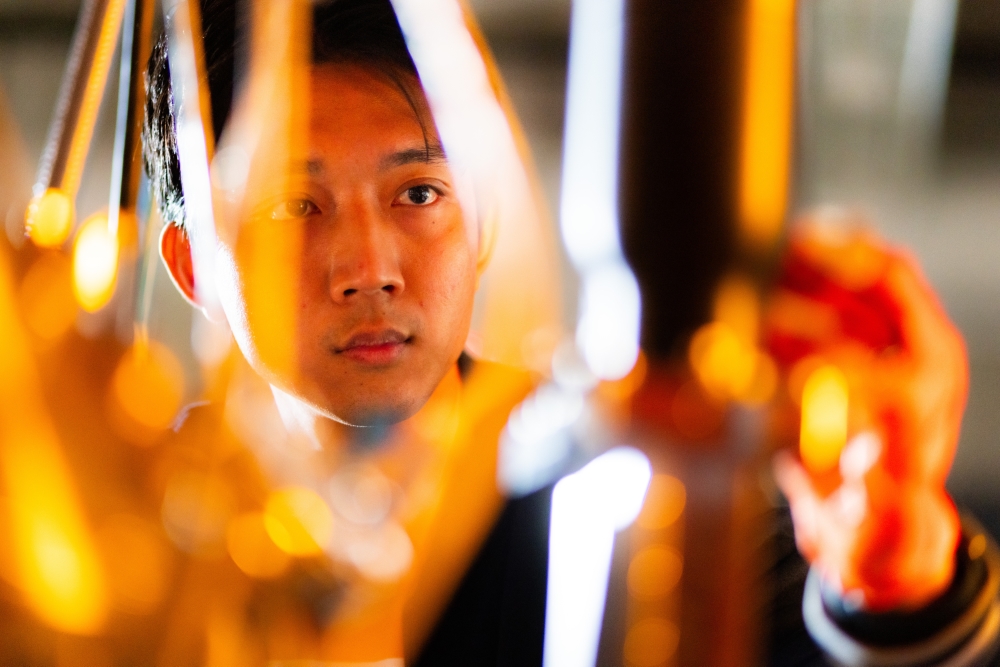
A site in the Reno-Sparks metro area that once supplied a community’s home improvement needs has had a few alterations of its own, as doors open to the world’s largest makerspace, innovation campus and art park under a single roof.
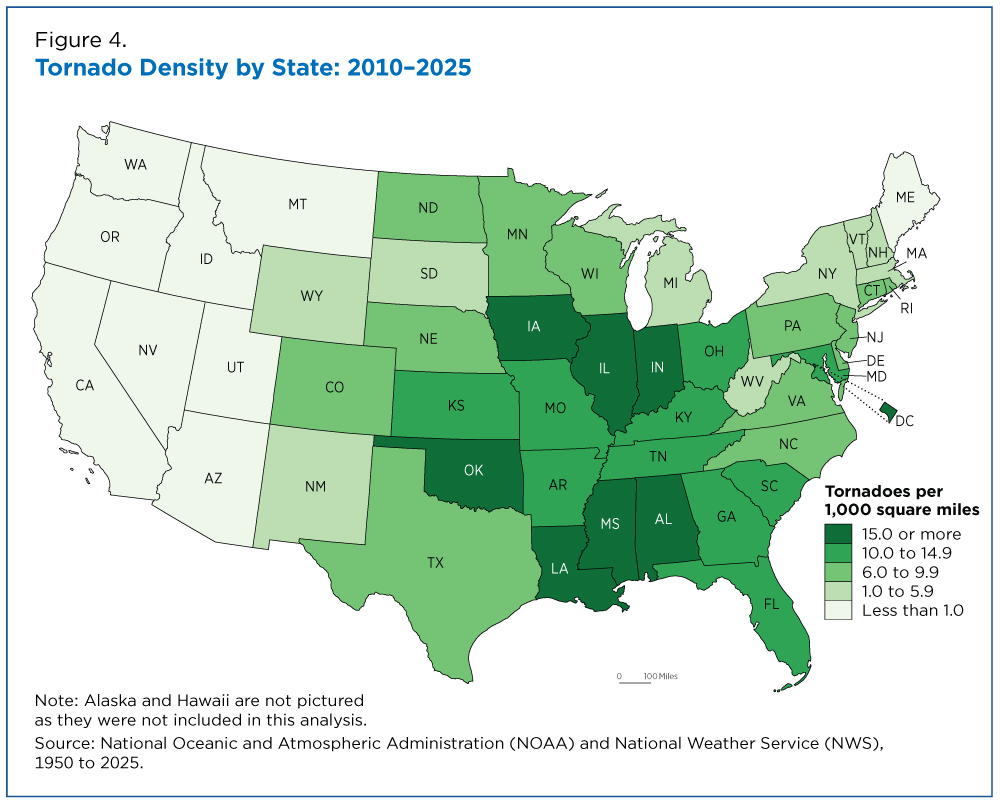
Map courtesy of U.S. Census Bureau, using NWS and NOAA data
If frequency of catastrophic weather events is on your company’s site selection matrix, you’ll want to incorporate data released this month by the U.S. Census Bureau. Using National Weather Service and National Oceanic and Atmospheric Administration sources, the Bureau’s Community Resilience Estimates (CRE), built with American Community Survey data and small area modeling techniques, can help “identify populations that may have difficulty with disaster recovery.”
The Bureau’s release notes that tornado activity is not only shifting eastward, but “also breaking out of the traditional late-spring-into-summer season, now stretching into winter and early spring.”
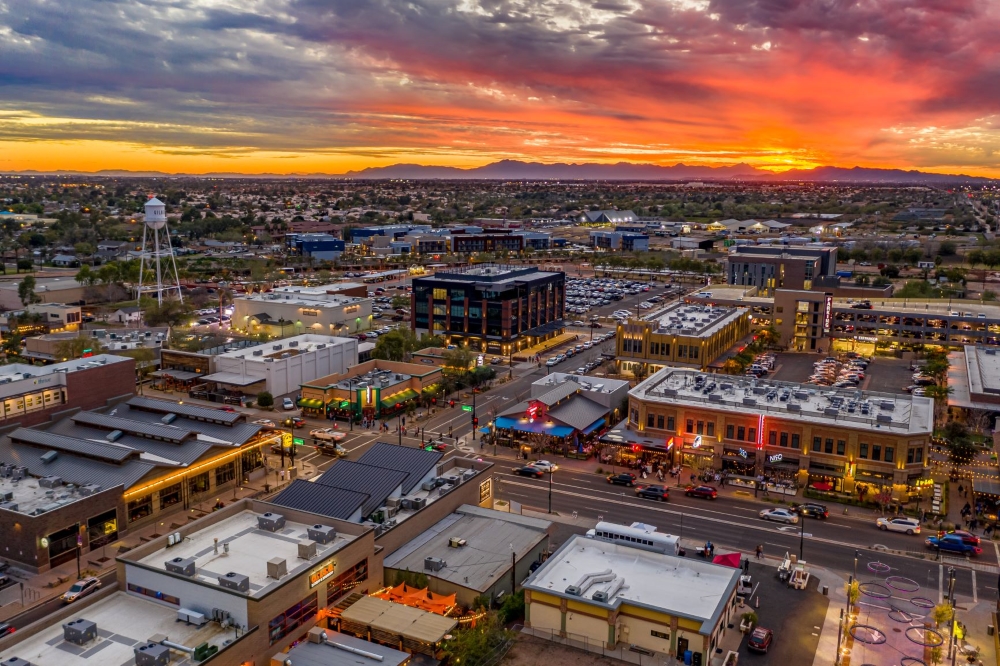
Gilbert, Arizona, is one of the nation’s top-performing mid-sized cities, recently ranked first by CoWorking Cafe for its exceptional economic growth across 11 indicators, including GDP, job creation, housing and infrastructure investment. With 52% of residents holding a bachelor’s degree or higher, Gilbert offers a highly skilled workforce that attracts companies seeking long-term talent and stability.
Strategic planning and collaborative development have fueled major projects such as The Ranch, a 300-acre mixed-use district delivering 3 million square feet of industrial space, and ongoing revitalization in Northwest Gilbert and the Heritage District. The $1 billion Rivulon development further highlights the town’s momentum, home to Deloitte, Morgan Stanley and other industry leaders.
As part of the Greater Phoenix region, a hub for advanced technologies, Gilbert supports growing sectors including aerospace and defense, healthcare, life sciences, business services and manufacturing. With strong infrastructure, educated talent and forward-thinking leadership, Gilbert is a premier destination for business growth.
Tennessee’s 11 public universities and special purpose institutes, 34 independent colleges and universities, 13 community colleges and 22 Tennessee Colleges of Applied Technology (TCAT) harbor a strong legacy of innovation.
Institutions such as Tennessee Tech University, Oak Ridge National Laboratory (ORNL) and Arnold Air Force Base have provided the R&D lift and the runway to a new aviation and aerospace era — not to mention a leaf blower revolution.
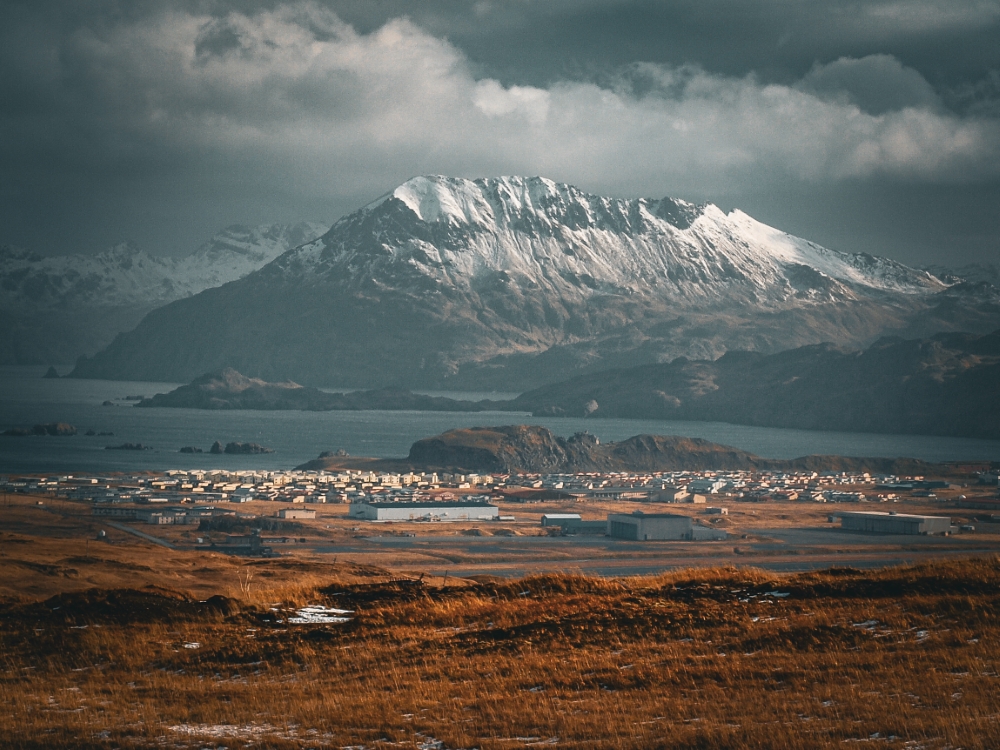
Adak, Alaska, is located in the Aleutian Islands.
Photo by James B. Williams Photography: Getty Images
The U.S. Government Accountability Office (GAO) this month issued a new report that will have economic development organizations sitting up and taking notice. “Economic Development Administration: Better Coordination with Regional Commissions and Performance Management Needed” examined the more than $12 billion in U.S. Economic Development Administration (EDA) grants awarded during fiscal years 2016 through 2024 by five regional commissions: the Appalachian Regional Commission, Delta Regional Authority, Denali Commission, Northern Border Regional Commission and Southeast Crescent Regional Commission. GAO recommends “that the Denali Commission establish guidance and procedures for collecting and validating performance information from grantees over time across its grants. GAO also recommends that EDA resume procedures for validating grantee-reported performance data and implement a framework for coordinating with federal regional commissions. Denali and EDA agreed with the recommendations.”
Introduced by Congress in 1998, the Denali Commission is an independent federal agency designed to provide critical utilities, infrastructure and economic support throughout Alaska. Among its tools is a project database. In April, the Commission in partnership with the U.S. Department of War and the U.S. Department of the Navy entered into a new interagency agreement to advance critical infrastructure development in Adak. The partnership will implement the Department of War’s Arctic Infrastructure Program, investing up to $115 million secured by Alaska’s federal delegation, said a release from the Denali Commission. “Adak’s strategic location in the Aleutian Islands makes it uniquely positioned to support Arctic and North Pacific operations,” the release stated. “Investments under the program are designed to ensure critical infrastructure can support both defense missions and the broader needs of the region.”
Adak was the subject of an extensive investigative report published in July by the Anchorage Daily News in partnership with ProPublica’s Local Reporting Network that found that another federal program through the FCC is paying more than $340,000 a year to provide internet access to hundreds of buildings that are mostly unoccupied. “Once home to thousands of sailors and their families, the island emptied after the base closed in 1997,” the report reads. “While the state estimated the population to be 77 last year, residents themselves put it at closer to two dozen.”
PHOTO OF THE DAY
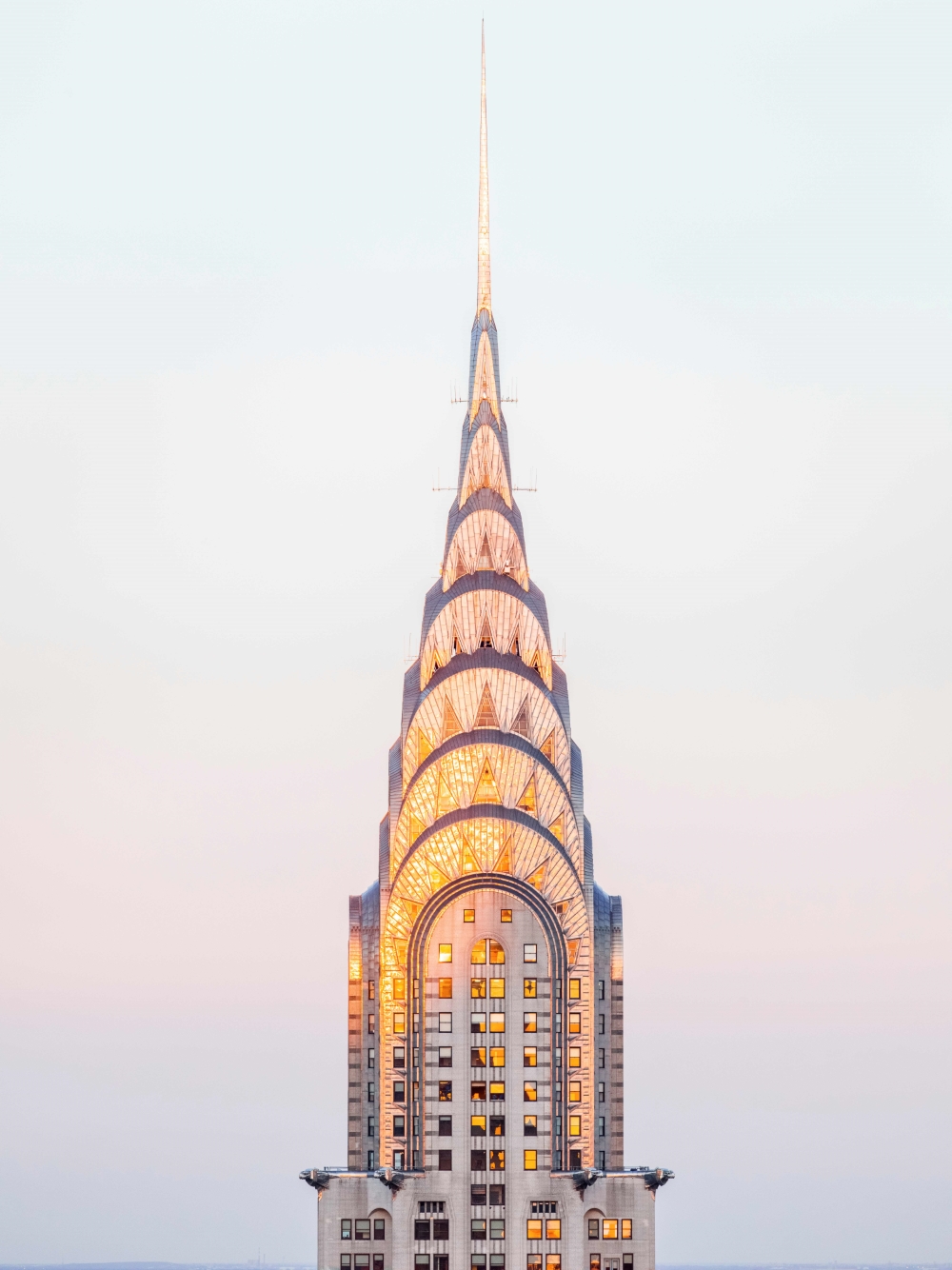
Photo by C. Taylor Crothers courtesy of Tishman Speyer
On October 7, Tishman Speyer and The Cooper Union for the Advancement of Science and Art announced they had finalized a ground lease agreement for the iconic Chrysler Building in New York City whereby Tishman Speyer, as the holder of a 150-year ground lease that includes an investment of $235 million and ground lease payments to Cooper Union, will restore the landmark 77-story Grand Central office tower.
“The Cooper Union — a distinguished, private college founded by inventor, industrialist and philanthropist Peter Cooper in 1859 — has owned the land on which the Chrysler Building was built since it was granted to the institution by Cooper’s children in 1902,” a release explained. “The land is intended to serve as a permanent source of financial support for the school’s mission. The long-term ground lease to Tishman Speyer comes as the college is in the midst of a bold plan to restore full-tuition scholarships for all undergraduates.”
Using 100% equity to finance the ground lease and redevelopment plan, Tishman Speyer said it will undertake an extensive building improvement and hospitality program that will “breathe new life” into the 1.3 million-sq.-ft. tower with the goal of repositioning the building as “Manhattan’s most distinctive new boutique office building.”
At 1,046 feet, the tower designed by William Van Allen was the world’s tallest when it opened in 1930. The Chrysler Corporation was headquartered in the building for more than two decades. The building’s distinctive exterior in more recent years has been featured in such films as “Avengers,” “Spiderman,” “Men in Black 3,” “Sorcerer’s Apprentice” and “The Wiz.”