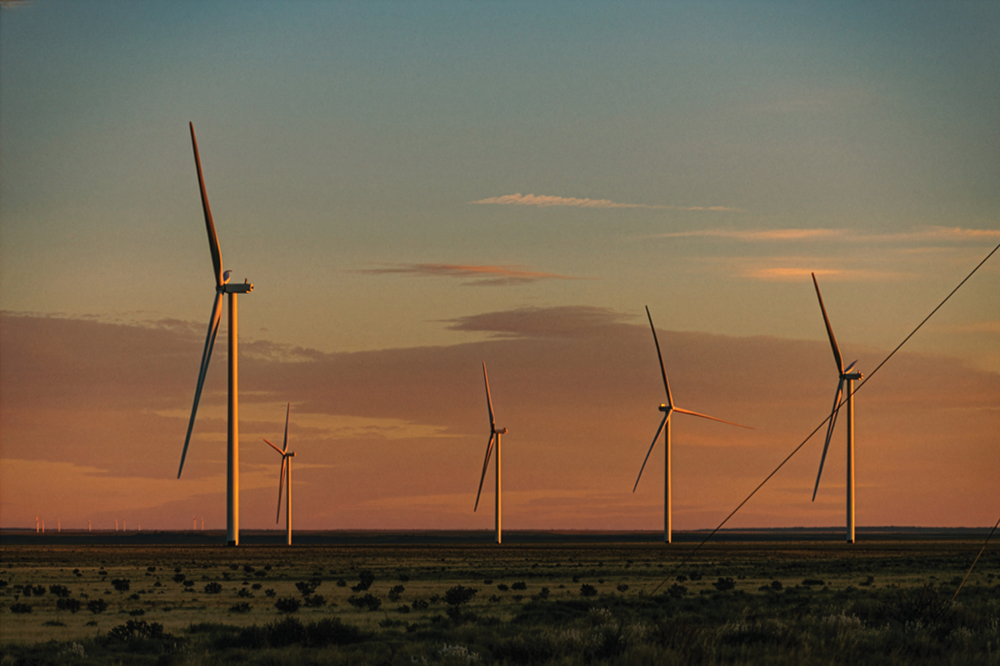
Utilities balance growth and supply when meeting large-load power needs.
The electric grid in the United States needs more of everything — more capacity to keep up with rising power needs, more skilled workers and infrastructure and better planning. Just how significant is this pressing urge to deliver power more efficiently and reliably?
Let’s put it this way — according to a National Electric Transmission Congestion Study published by the U.S. Department of Energy in July 2026, most transmission congestion costs are concentrated in just 5% of annual hours. This was especially true during times with significant day-ahead to real-time market price variance, high net load, cold weather and high intermittent generation. The DOE report points to interregional and cross-interconnection transmission links as the answer to congestion relief and increasing adequate power supply.
For the third consecutive year, Site Selection asked utility economic development leaders how they are handling the opportunities and challenges of meeting massive power provision demand.
Power provision continues to vie with workforce as the most pressing issue for industrial companies nationwide, driven by data centers and other major industrial projects. How is your utility’s economic development team working with operations and external stakeholders to address these concerns? What are the biggest obstacles and the biggest opportunities involved in meeting this challenge?
Alabama Power: Alabama Power continuously evaluates what size loads we can serve across our system. From a utility perspective, Alabama Power routinely meets with a cross-functional team comprising members in Economic Development, Resource Planning, Sales, Transmission, Regulatory and others to discuss the current state of economic development activity and upcoming opportunities. Alabama Power takes an all-of-the-above approach to generation: hydropower, natural gas, nuclear, solar, coal and wind. The job requires a diverse mix of options. Alabama Power’s generating fleet has remained among the top 5% most reliable in the country for the past decade, according to industry data filed with the Federal Energy Regulatory Commission. The company plans its balanced energy mix through an Integrated Resource Plan — a rolling, data-driven process that looks about 20 years ahead and evaluates different future conditions to make the best decisions for customers. No new generating resource moves forward without a separate filing and public review at the Alabama Public Service Commission.
Ameren Corporation: Ameren’s economic development and operations teams are working in close coordination to proactively plan for large-load growth — particularly from data centers and advanced manufacturing — by aligning site selection, transmission planning, generation strategy and regulatory processes early in the development cycle. This includes strengthened collaboration across internal teams and with developers, state agencies and local partners to improve transparency, accelerate timelines and ensure projects are aligned with available infrastructure and long-term system capacity. Efforts such as enhanced large load tariff frameworks, queue management processes and proactive site readiness initiatives are helping reduce uncertainty and prioritize viable projects. The biggest challenges remain the pace and scale of demand growth, interconnection timelines, regulatory constraints and ensuring resource adequacy while maintaining affordability for existing customers. At the same time, this environment presents a significant opportunity to drive industrial growth, support emerging sectors like AI and advanced manufacturing and position the region as a competitive hub for large-scale investment.
“The biggest challenges remain the pace and scale of demand growth, interconnection timelines, regulatory constraints and ensuring resource adequacy while maintaining affordability for existing customers.”
— Ameren
Arizona Public Service: APS’s customer base, which for decades leaned heavily residential, is now more diversified than ever. A robust increase in commercial and industrial customers in our service territory — including new chip manufacturing and expanding data center operations — is leading to incredible economic growth and triggering a historic wave of demand for electricity in our state. To help power Arizona’s remarkable growth, APS is making necessary investments to serve our customers with reliable, affordable energy. Over the next several years, APS customers will benefit from careful planning that ensures reliability and maintains affordability. Our balanced and diverse energy portfolio includes a clean, carbon-free energy from Palo Verde Generating Station — one of the largest nuclear plants and producers of clean energy in the country; renewable resources, including solar energy paired with battery energy storage; and energy efficiency and demand management programs that help customers reduce energy use, especially during times of peak demand on the system
ComEd: Since many companies continue to have a “power first strategy,” ComEd is increasingly the first stakeholder many development partners contact when considering northern Illinois, which is why we play a key role in working with the state and regional partners on recruitment efforts. The biggest challenge remains meeting customers’ accelerated timelines for service. Working with our parent company Exelon, ComEd helps customers engineer project plans to account for supply chain issues that have impacted delivery times for major equipment such as transformers, circuit breakers and switchgear control buildings. To mitigate this, ComEd collects long lead material deposits very early in the engineering process to secure manufacturing production slots from our vendor/supplier network. To help the situation further, we are nearing completion of a corporate effort to reduce lead times by having detailed engineering plans for new standard 138-kV and 345-kV customer substations. We are purchasing long lead materials for these substations. Combining the ready-made plans and layouts with stocked equipment means new substations can be deployed more quickly with minor site-specific enhancements.
Given the increased number and scale of large power requests, ComEd was one of the first utilities to implement a new cluster study process in 2024 to comprehensively analyze the impact large power requests have on the transmission and distribution systems and to identify necessary reinforcements and expansions to ensure the continued reliability of the system. That process continued and evolved in 2025. We secured approval of a series of revisions to our tariffs to help address power affordability and cost shift concerns from policy makers and regulators stemming from large load projects. These changes are intended to reduce speculative projects by implementing increased application deposits that are scaled and based on requested load amounts, revenue guarantees through transmission security agreements (TSAs) and increased upfront engineering and material deposits for on property facilities such as new onsite substations. Our first set of signed TSAs ensure large projects pay for the use of our transmission system assets by securing over $2 billion in revenue that protects existing customers from projects that don’t fully materialize.
Cleco Power: We continue to see bottlenecks on both the generation and the transmission side of the business. Generation assets have become extremely expensive and very long-term deployment options. In transmission, build-out has also become much more expensive, facing longer lead times in regional system, operations, reviews and approval.
Consumers Energy: Consumers Energy is committed to supporting Michigan’s growth by delivering the energy required for data centers and other large-load customers while maintaining reliable and affordable service for existing residential and business customers. Consumers Energy is advancing a comprehensive strategy focused on energy supply, customer protections and grid reliability. Central to this effort is a robust energy supply designed to support both current demand and future growth. The company’s next Integrated Resource Plan (IRP), a 20-year roadmap to be filed later this year, outlines how it will deliver long-term affordability and reliability. The proposed plan includes more than 13 gigawatts of expanded renewable and clean energy resources, in addition to two new natural gas plants totaling 1.5 gigawatts. These plants will be built on existing industrial sites, minimizing land impacts while leveraging current infrastructure to provide fast, on-demand power.
Consumers Energy is also protecting existing customers through a large load tariff that ensures data centers and other large businesses pay the full cost of their energy needs. Approved by the Michigan Public Service Commission (MPSC) in November 2025, this tariff includes some of the strongest regulatory protections in the country, requiring large-load customers to cover generation, distribution and infrastructure costs. Each new agreement must be reviewed to confirm compliance, ensuring these projects do not increase costs for other customers.
Grid reliability remains a core priority. Through its Reliability Action Plan — approved by the MPSC in March 2026 and originally launched in 2023 — Consumers Energy is making targeted investments to reduce outages and strengthen the electric system. These investments include advanced technology, undergrounding power lines and enhanced vegetation management. Despite more severe weather conditions in 2025, the company achieved improved reliability outcomes, with outage events increasing nearly 20% but customers experiencing 130,000 fewer outages due to grid hardening and automation. Improved weather forecasting and proactive planning also generated $15 million in savings by reducing outage duration and overall impact.
Additionally, infrastructure developed to serve new large-load customers can enhance reliability in surrounding areas. Upgrades such as new poles, lines and equipment benefit both the incoming projects and existing communities, reinforcing the broader grid.
Cooperative Energy: At the recommendation of the economic development department, Cooperative Energy’s Board of Directors recently approved a Large Load Study Process. This workflow and application process will allow alignment of industry inquiry and needs with Cooperative Energy’s and our Members’ resources.
Delta Utilities: In 2025, Delta Utilities’ expansion was driven by substantial investments in infrastructure and technology. These capital investments include repairs, replacements, upgrades and system expansions to support future economic development. Collaboration is vital to our achievement. Internally, our economic development team works in tandem with operations and engineering to evaluate capacity, forecast future demand and ensure infrastructure projects align with industrial growth. Externally, we partner with state and local economic agencies, community leaders, contractors and technology firms to promote Louisiana as an attractive destination for business investment.
A prominent challenge we face is meeting rapidly growing energy demand while ensuring our infrastructure remains safe and reliable. Large industrial projects necessitate thoughtful long-term planning, substantial investment and cooperative engagement among a diverse array of stakeholders. Nonetheless, this landscape also offers significant opportunities for growth and development. Delta Utilities’ cloud-based platform provides a modern and scalable foundation that sets us apart from traditional utilities. By unifying customer service, engineering, GIS, finance, operations and field services within a single cloud system, we can enhance our efficiency, respond promptly to customer needs and support expansion as our service area grows. In conjunction with our ongoing infrastructure investments and strong collaborative partnerships, this technology positions Delta Utilities to effectively promote industrial development, create job opportunities, attract investments and ultimately strengthen Louisiana’s economic competitiveness for the future.
Dominion Energy: Dominion Energy is developing resources across distribution, transmission and generation to ensure we meet the critical energy needs of our customers on a timely basis, while also taking active steps to safeguard all of our customers. Our mission continues to be providing reliable, affordable and increasingly clean energy to power our customers every day. Dominion Energy has a long record of operating its generation, transmission and distribution systems reliably and affordably. Our customers have uninterrupted power 99.98% of the time, excluding major storms. Our Integrated Resource Plan, the document that outlines potential portfolios to meet customers’ long-term energy needs, highlights an “all of the above” approach that includes significant investment in new generation resources, an expanded and improved transmission and distribution grid and continued focus on energy efficiency programs. Our Economic Development team assists with site selection, infrastructure design and establishes critical business relationships to help companies expand, relocate and bring their business to our service territory. We always ask partners and site selectors to come to us early and often so we can work together to build a creative energy solution for all.
Duke Energy: Duke Energy serves more than 8.6 million retail electric customers and plays a central role in supporting growth across our service territories. Demand from data centers and large industrial projects is accelerating, and our approach starts with careful planning and coordination across teams.
Our economic development, operations and planning teams work together from the earliest stages of a project to align customer needs with system capability. We also engage closely with regulators, state and local leaders and our customers to ensure projects move forward in a way that maintains reliability and keeps energy affordable for all. We continue to plan for this growth through our integrated resource planning process, while advancing the largest infrastructure build in our company’s history. That includes adding generation, strengthening the grid and improving how we connect large-load customers to the system. The biggest challenge is timing — aligning new generation and grid investments with rapidly increasing demand while protecting existing customers. The biggest opportunity is the ability to support transformative economic growth in our regions by delivering reliable, cost-effective energy at scale.
El Paso Electric: Power availability has shifted from a back-end engineering consideration to a front-end site selection constraint. That’s fundamentally changing how utilities approach economic development. From an organizational standpoint, economic development is now much more tightly integrated with transmission planning, generation strategy and load forecasting than in the past. Cross-functional teams are working in parallel with operations to identify high-capacity corridors, evaluate interconnection timelines early and align generation portfolios with the specific needs of emerging industries like data centers and their supply chains — whether that’s 24/7 redundancy, low-carbon options or scalable capacity.
Externally, utility economic development teams are also engaging earlier and more intentionally with regulators, local governments and community stakeholders. One of the biggest shifts has been the need to proactively address concerns around cost allocation, reliability for existing customers and resource impacts before a project is ever announced. Utilities are increasingly serving as both educator and advocate in these discussions by helping stakeholders understand tradeoffs while ensuring projects remain viable.
The biggest obstacles reflect persistent challenges. There continues to be an infrastructure timing mismatch: Generation and transmission often take longer to deliver than some large-load customers and developers expect. Supply chain constraints, while improving, still impact critical components like transformers and generation equipment. Siting and permitting challenges persist, as community opposition pushes generation farther from load centers and transmission corridors become more complex to develop. Finally, concerns around water use, rate recovery amid system hardening and aging infrastructure replacement, and broader environmental impacts remain front and center in public and political scrutiny.
However, the opportunities are just as significant. Strategic load growth can improve system utilization and support long-term rate stability when structured correctly. Accelerated demand is also driving grid modernization, resource diversification and innovation across both generation and delivery systems. From an economic development perspective, this environment is positioning utilities to play a more central role — not just in responding to projects, but in shaping them. That includes earlier engagement in site readiness, closer coordination with communities and a more active role in communicating how infrastructure investment supports long-term regional competitiveness.
Entergy: Across our four-state service territory, Entergy’s economic development team works daily with generation, transmission, distribution, regulatory and customer account teams to align infrastructure planning with prospective customer timelines. By engaging early with state and local economic development organizations, regulators, educational institutions and other key partners, we help ensure that power capacity, workforce pipelines and site readiness are advancing together.
Entergy’s Fair Share Plus framework tackles the challenge of serving fast‑growing data center demand while protecting existing customers. Large users fund the full incremental cost of service and contribute to systemwide reliability and resilience upgrades. With long‑term contracts, strong safeguards and Commission oversight, growth pays for growth, enabling major infrastructure investment and delivering projected long‑term customer benefits.
Across our service territory, Entergy partners with educational institutions, workforce boards and industry organizations to build talent pipelines aligned with emerging industries. At Entergy, our economic development strategy centers on ensuring growth benefits everyone. By aligning infrastructure investment, workforce development, customer protections and community partnerships, we help advance economic growth, reliability and affordability together.
Evergy: Evergy has positioned itself as a national leader among electric utilities by developing one of the first formal, external “Path to Power” processes designed specifically for large industrial users. Recognizing the increasing complexity and urgency of large-scale projects, the Evergy Economic Development team invested several months to design a strategic, transparent and customer-focused process that guides clients seamlessly from initial inquiry to reliable service delivery.
FirstEnergy: As large-load demand continues to accelerate, particularly from data centers and advanced manufacturing facilities, our economic development team works closely with operations, transmission planning, engineering and external stakeholders to proactively identify solutions that support growth while maintaining system reliability.
A key component of this effort is early engagement. We regularly collaborate with state, regional and local economic development organizations to educate site selectors and prospective customers on electric infrastructure capabilities, timelines and requirements. Internally, we have implemented a rigorous large-load evaluation process to assess transmission impacts and ensure new customers can be connected safely and reliably. We also utilize electric service agreements that provide certainty for both the customer and utility by aligning long-term infrastructure investments with committed load growth.
On the infrastructure side, FirstEnergy Transmission is investing in grid modernization and expansion through joint ventures, including Grid Growth Venture with Transource Energy (jointly owned by American Electric Power and Evergy). The Grid Growth Project will construct approximately 220 miles of new extra-high-voltage transmission infrastructure extending from the Indiana-Ohio state line in Darke County to Guernsey County, Ohio. Our role increasingly extends beyond providing electric service. We serve as a strategic partner during the site selection process, helping prospects understand infrastructure availability, development timelines and potential expansion opportunities. This collaboration helps reduce risk, improve project certainty and accelerate informed investment decisions.
The biggest obstacle remains the availability of critical electrical equipment and supply chain constraints, which can impact project timelines. At the same time, this challenge presents a significant economic development opportunity, as manufacturers of transformers, switchgear and other grid infrastructure components seek locations to expand production closer to growing demand centers. Additionally, balancing increasing energy needs with community, regulatory and political expectations requires ongoing stakeholder engagement and transparent planning.
FPL PoweringFlorida: As interest from data centers and other large load customers continues to grow, PoweringFlorida works closely with site consultants, companies, community and regional economic development organizations, and FPL colleagues to provide prospects with early guidance on infrastructure availability, service timelines and energy requirements. Engaging early in the site selection process allows PoweringFlorida to identify infrastructure needs, evaluate potential solutions and help communities understand what is required to successfully support energy-intensive projects.
Underpinning this work is FPL’s large load rate framework, which requires large energy users to fund 100% of the cost of new power generation required to serve their project. The forward-looking rate structure enables FPL to meet its obligation to serve while keeping bills as low as possible for Florida families and businesses and establishes clear expectations for large energy users on infrastructure investments, timelines and costs from day one.
Georgia Power: Rather than reacting to growth, the company is utilizing its demand forecasting model and constructive regulatory environment to proactively build generation capacity, strengthen transmission infrastructure and modernize the grid to accommodate future demand.
In 2025, Georgia Power worked with the Georgia Public Service Commission to secure at least 6,000 MW of new generation and finalize a 10-year plan to identify the transmission improvements needed to maintain a strong and reliable system to move energy from new and existing power plants to customers across the state. The plan includes new resources across more than 1,000 miles of transmission lines, improving the system’s efficiency and resiliency and providing the energy infrastructure needed for a growing state. Additionally, the company has received approval for a variety of economic and innovative solutions, including new grid-enhancing technologies to help meet increasing grid capacity needs and enable further reliable integration of the state’s growing amount of solar generation and Battery Energy Storage Solutions.
While growth in Georgia is strong statewide and one of the most aggressive in the nation, our team works tirelessly to identify high-potential growth corridors and proactively invest in infrastructure in those locations. This forward investment shortens timelines for new projects and gives prospects and site selectors greater confidence during the RFI and site visit processes. Our vertically integrated and state regulated system allows us to take a forward looking and complete approach to reacting, investing and serving the needs over a fragmented system. This benefits all our residential customers by passing on financial benefits of growth while investing in large load since our large load customers are paying for these investments up front and passing on the benefits in the form of reduced rates overall. We are also ensuring our manufacturing customers have the power they need with the needs of data centers as well.
Public perception and narratives around large load growth and the accompanying projects can be seen as a challenge, but our team is also using these narratives as an opportunity to tell a more holistic story of growth in our state and the benefits it brings to communities across Georgia, including fostering partnerships between large load customers and community organizations creating a direct impact in previously underserved communities. Our economic development team hosted numerous forums on understanding the growth in data centers and large load and how we are handling these demands to investors, state partners, local development authorities, national site consultants and other utility partners such as gas and railroads. Our team also more closely aligned with internal power and pricing teams than ever before to ensure communication was streamlined and our processes were changed to address the frenetic pace of power provision demands.
Hoosier Energy: Power provision remains one of the most pressing issues facing industrial development nationwide. Hoosier Energy addresses this challenge through close coordination with operations, transmission planning, power supply and finance teams, as well as external partners including member cooperatives, regional transmission organizations and state and local stakeholders. This integrated approach ensures that project requirements, infrastructure capacity, cost structures and timelines are evaluated holistically from the earliest stages of engagement. This approach ensures new development is aligned with long-term system planning priorities and member-consumer interests.
This coordination is increasingly critical as projects increase in both size and complexity. Recently announced expansions throughout Hoosier Energy’s member territory illustrate the need for reliable, high-capacity infrastructure to support strategically important industries.
A primary challenge is the increasing scale and complexity of large-load projects, combined with compressed timelines and significant infrastructure requirements. Balancing speed to market with long-term reliability, affordability and risk management for existing member-consumers requires earlier alignment and more proactive coordination across stakeholders.
This work is supported by a multi-year capital program focused on strengthening and modernizing the transmission system, improving reliability and accommodating long-term load growth. Investments in generation resources, including natural gas, joint ownership assets and long-term carbon-free energy agreements, support a diversified, all-of-the-above portfolio capable of meeting a broad range of customer performance, cost and sustainability expectations.
Momentum has continued into 2026 with growing demand from digital infrastructure and advanced manufacturing. This includes large-scale data center development activity, reflecting increased infrastructure investment that requires significant power capacity and long-term utility coordination.
Kentucky’s Touchstone Energy Cooperatives: Our cooperatives recognized the opportunities on the horizon several years prior and initiated new generation projects that will add over a gigawatt of power for our native system growth prior to any data center activity. As we begin working with hyperscale data center projects through our new data center tariff, we are in a position to work symbiotically on solutions to add substantially more generation to our fleet to power these new opportunities that benefit our members throughout our service territories.
Photo courtesy of Cleco Power
LG&E and KU Energy LLC: LG&E and KU are positioning energy infrastructure as a key driver of economic competitiveness, particularly as demand grows from high-load users like data centers. The economic development team works closely with internal operations and external stakeholders — ranging from policymakers to site selectors — to align system capacity, infrastructure planning and regulatory frameworks with project needs. The companies are also actively engaged in shaping policies that balance investment attraction with fair cost allocation, while educating stakeholders on the broader economic benefits of large-scale projects. Through proactive planning, including an Integrated Resource Plan and proposed new generation resources, LG&E and KU are preparing to meet rising demand while maintaining reliability and cost stability.
At the same time, LG&E and KU are enhancing site readiness and accelerating project timelines through targeted investments, programs like the Opportunity Kentucky Fund, and a coordinated Rapid Response team. While challenges remain — such as long infrastructure lead times, supply chain constraints, and permitting complexity — the opportunity is significant. Strategic growth from large-load customers can strengthen system utilization, improve long-term affordability and drive meaningful economic development across Kentucky.
Mississippi Power: Large load industrial and data center project inquiries have been very active in MPC’s territory. To manage this activity and ensure rapid responses to inquiries, MPC took a proactive approach by collaborating over several months with our generation planning and power delivery teams. Our team identified key industrial sites that could service large electrical loads within a competitive timeline. Detailed discussions took place with the local developers of those sites to ensure other adequate infrastructure and resources were available.
MPC developed presentation material to proactively market these sites for specific large load projects. Leads were generated along with marketing to site location consultants and data center companies. The successful location of Compass Data Centers resulted from this effort through lead generation and marketing to their company. Additionally, MPC has developed a process to facilitate the volume of requests. A large load intake form was created specifically for data center projects to have a better understanding of their needs and requirements. This intake form and load study request form were a collaborative effort of the Large Load team made up of the generation planning, power delivery, rates and finance teams within Mississippi Power.
We have prioritized building an openly supportive communication network between local, state and our own team to ensure that all potential projects throughout the development pipeline are supported. By holding frequent meetings and maintaining regular communication with state and local economic developers [about] the availability of resources, [we] build their confidence in their own recruitment process for all size potential projects. Our team has met internally with generation planning and power delivery teams frequently over the past three years to ensure that we have enough resources to continue to be a catalyst for economic development growth in the communities.
National Grid: What differentiates National Grid is not just the ability to respond, but the ability to anticipate and shape demand by integrating market intelligence into transmission planning, developing sites and infrastructure ahead of need, and acting as a connector across policy, infrastructure and investment. For example, the economic development team has informed the state’s regulatory Large Load Proceeding, Proactive Planning and Coordinated Grid Planning Process. The team works closely with operations, engineering, customer teams, external affairs, NYISO and regulatory partners so that site seekers can get coordinated answers on capacity, upgrade needs, timing and cost as part of the decision-making process. That cross-functional model is increasingly important because large-load prospects are often coming directly to the utility, with “speed to power” now a primary competitive factor in site selection. The utility industry is experiencing rapidly increasing demand for large-scale power, infrastructure lead times and supply chain constraints, and complexity of interconnection and system planning. Yet the opportunity is equally significant. New York is entering a period in which utility planning, state policy and industrial demand are aligning in ways that could materially improve the state’s competitive position.
The stakes are high because the loads are unprecedented. National Grid’s own pipeline includes data center and advance manufacturing opportunities exceeding 3GW. They are grid-shaping projects capable of influencing transmission planning, capital strategy and the competitive position of entire regions. As a company, National Grid is already making significant investments the Upstate NY grid. For example, the Upstate Upgrade involves more than 70 projects planned through 2030 that will transform the transmission grid to meet growing demand for electricity while generating thousands of new jobs and more than $1 billion in economic growth across the region. And in June 2026, National Grid and NYPA announced the completion and energization of Smart Path Connect, a transformative 100-mile transmission project that will provide approximately $438 million in annual benefits to New Yorkers, including monthly savings on electric bills for households and businesses.
Nebraska Public Power District: The most significant opportunity in addressing today’s power‑provision challenges is helping external stakeholders understand the complexity of the electric grid and the scale of investment required to support modern industrial growth. The utility industry is one of the most capital‑intensive sectors in the nation, and meeting new load, especially from data centers and large industrial projects, requires years of planning, permitting and procurement.
Our economic development team works closely with operations and community partners to communicate this reality. We have incorporated updates on our planned generation and transmission projects into our outreach so stakeholders can see the long‑lead nature of ordering major equipment, securing rights‑of‑way and constructing transmission lines to serve new load. Many understandably take for granted that power is always available when they flip a switch. But for companies whose No. 1 input is reliable, cost‑effective power, it is critical to understand the multi‑year planning and investment process behind it. By strengthening transparency and education, we can build alignment, manage expectations and better support economic growth.
North Carolina’s Electric Cooperatives: We began utilizing DataBricks in 2025 as an AI-enabled platform to better connect economic development intelligence (CRM data), site readiness activities (site databases), load forecasting and infrastructure planning across the organization. We are already realizing benefits through improved coordination, earlier visibility into emerging large-load opportunities and more proactive planning (e.g. equipment procurement) with internal teams and external stakeholders. The biggest challenge continues to be the pace and scale of demand growth relative to generation, transmission and workforce timelines. At the same time, the opportunity is substantial: Better data integration and cross-functional planning are helping us position our system and our member communities to respond more strategically, reliably and competitively to major industrial growth opportunities.
The two new members will help PowerSouth and its members by adding diversity and leveraging economies of scale. With growing electric demand in Alabama and Florida, the addition of BWEMC and TEC will support more efficient use of power resources as new generation is built to keep pace with demand. Greater efficiency helps hold down costs for end-use consumers. The expansion represents an ongoing commitment to unity.
PECO: PECO’s Economic Development team has taken a proactive approach to educating customers, elected officials, economic development organizations, chambers of commerce, developers and community stakeholders about the rapid growth in large-load projects, including data centers, advanced manufacturing and other energy-intensive industries.
Our team has delivered more than 25 presentations to county and municipal governments, redevelopment authorities, chambers of commerce, economic development organizations, commercial developers and business leaders focused on understanding large-load growth and its impact on the electric grid and customer affordability. The goal of these discussions is not to advocate for or oppose data center projects, but rather to provide fact-based information about what PECO is experiencing and how we are responding. Our presentation addresses the unprecedented scale of new electric load requests, ranging from 50 MW to hundreds of megawatts; impact of large-load growth on generation, transmission and distribution infrastructure; the PJM planning and interconnection process used to evaluate system impacts and maintain reliability; PECO cost-allocation principles designed to ensure that customers pay their fair share of infrastructure investments; increasing challenges associated with obtaining critical grid equipment, including large power transformers, breakers, switchgear, cables and control systems, many of which now have lead times measured in years rather than months; and customer affordability considerations and the mechanisms PECO uses to balance economic growth with protection of existing customers.
The biggest challenge facing PECO today is not whether customers can ultimately be served, but how quickly service can be delivered. Long equipment lead times, transmission constraints, permitting requirements, workforce availability and the sheer volume of large-load requests are creating planning and execution challenges across the industry. At the same time, these projects present significant opportunities. New investment in data centers, advanced manufacturing, life sciences, logistics and other energy-intensive industries can drive job creation, expand local tax bases, increase utilization of existing utility infrastructure and strengthen regional economic competitiveness. By working closely with operations, planning, transmission organizations, regulators, elected officials and the business community, PECO is helping stakeholders better understand both the opportunities and challenges associated with this historic period of electric load growth while ensuring the continued reliability, resilience and affordability of the electric grid for all customers.
PowerSouth Energy Cooperative: With the overall impact of data centers on the energy market, PowerSouth has continued to prioritize its mission of providing reliable, affordable service by investing in future generation assets. In 2025, the cooperative received positive support from state and federal officials during the initial planning stages of a new unit at the Lowman Energy Center, in Leroy, Alabama. A peaking unit, LEC 3 will be capable of quickly producing large amounts of power, especially during periods of peak demand. In addition to PowerSouth’s existing generation assets, LEC 3 will expand the cooperative’s ability to meet growing electric demand beyond 2030.
Building on an 84-year foundation of unity and trust, PowerSouth and its members voted on November 21, 2025, to welcome new distribution members, Black Warrior EMC (BWEMC) and Tombigbee EC (TEC). Long term, the two new members will help PowerSouth and its members by adding diversity and leveraging economies of scale. With growing electric demand in Alabama and Florida, the addition of BWEMC and TEC will support more efficient use of power resources as new generation is built to keep pace with demand. Greater efficiency helps hold down costs for end-use consumers. The expansion represents an ongoing commitment to unity.
PPL Electric Utilities: Power availability has become one of the defining factors in site selection, on par with workforce, particularly with the rapid growth of data centers, advanced manufacturing and other high-load users. At PPL, we are addressing this challenge through tight integration between our economic development, engineering and transmission planning teams, as well as proactive engagement with external stakeholders.
Our economic development team serves as the front door for large-load customers, but we operate as a fully integrated unit with operations from day one. This includes early-stage coordination with transmission and distribution planning to assess capacity, identify constraints and define realistic timelines before sites are advanced. We also lead proactive site readiness efforts, including the ongoing evaluation of industrial sites across Pennsylvania and development of the PPL Powered database, which highlights locations with strong infrastructure potential. In parallel, we conduct upfront feasibility and scenario planning, so customers can evaluate multiple service options — such as distribution versus transmission service, phased delivery approaches and interim solutions. Our rapid response process further supports this work by providing high-level scope, schedule and cost estimates within 10 business days, enabling faster and more informed decision making. Our team works closely with PJM and regional transmission stakeholders to align large-load interconnection requirements with broader grid planning, while also partnering with state and local economic development organizations to coordinate infrastructure, incentives and permitting timelines.
This integrated approach allows us to move beyond reactive service requests and instead co-develop solutions with customers that align load growth with infrastructure planning. The industry is facing several structural challenges including extended lead times for major equipment, transmission and substation capacity constraints, longer interconnection study and permitting timelines and increasingly uncertain load profiles. These dynamics require utilities and customers to engage earlier and with greater specificity than in the past.
Photo courtesy of Dominion Energy
Salt River Project: The rapid increase in large load customers over the past few years has created several growth opportunities, as many projects require large amounts of power at the transmission level within SRP’s system. One of these opportunities was the implementation of a clustered load impact study process. Large load projects requiring transmission-level service are now evaluated using a cluster study approach rather than the traditional serial study process. Through the Large Load Integration Process, SRP assesses multiple large-load projects simultaneously to understand their collective impact on the transmission system, rather than studying each project individually in sequence. This shift helps address the surge of large projects through defined milestones, ensuring that we continue to maintain our robust reliability standards and infrastructure costs are not shifted to other SRP customers.
We are also seeing significant demand increases at the distribution system level. This is due in a large part to the increased density of new manufacturing operations across the service territory. SRP is working to address these increased load demands by having the Economic Development and Distribution Planning teams work together and meet with city economic development departments within the service territory on a regular basis. The goal of these meetings is to understand where cities envision future commercial and industrial growth to occur and to gather the latest information on major developments in key employment corridors. This information is then incorporated into Distribution Planning’s annual planning process. Through this process, SRP is now better able to gather intelligence on key growth areas and sites that could impact future system growth, better informing long-term infrastructure investments.
Supply chain delays such as the long lead time to purchase electrical equipment for projects, especially transformers, continue to be one of the biggest obstacles for utilities nationally. Where feasible, SRP works to proactively procure equipment it anticipates will be needed to support future growth. One of the biggest opportunities tied to this load growth is the current and future economic activity in the Greater Phoenix area, which is emerging as a key hub for the semiconductor and advanced manufacturing industry. This growth is expected to continue bringing numerous high-quality jobs to the region and enhance overall quality of life across the Valley.
Santee Electric Cooperative, Inc.: We are still capable of handling “normal” manufacturing projects. Hyperscale data centers are not targets for us, although we will entertain smaller data center prospects with adequate ramp-up periods. Generation and transmission remain constrained in the southeastern U.S. and our state is no exception to that. Working collaboratively with prospects upfront has been working okay for us, again in terms of normal manufacturing loads.
South Carolina Power Team: South Carolina’s Electric Cooperatives remain focused on providing reliable and affordable power for all our members. While our system is experiencing unprecedented growth through industrial investments, commercial opportunities and a rapidly growing population, our commitment to serving existing members remains a top priority. We have demonstrated flexibility and creativity in addressing complex power challenges and will always strive to identify suitable solutions for both current and prospective members.
Like many utility partners across the country, we continue to face challenges related to generation and transmission capacity, as well as supply chain constraints. While these capacity constraints present challenges, they have not changed our commitment to South Carolina’s future. We continue to invest in industrial product development through our Site Readiness Fund and in workforce development through our Trades Campaign, ensuring our communities are well-positioned for future growth as additional capacity comes online.
We remain committed to preparing our communities for the next generation of economic development opportunities and to being a trusted partner for companies looking to invest in South Carolina. We are modernizing our infrastructure and positioning ourselves to remain a critical partner in South Carolina’s continued growth and success for years to come.
Southeast Gas: Southeast Gas is committed to strengthening and expanding our infrastructure to deliver safe, reliable and cost-effective natural gas that meets the evolving needs of current and future customers. As demand accelerates across the region, we are focused on addressing one of today’s most pressing challenges — capacity availability — by proactively investing in the infrastructure and supply arrangements needed to ensure energy is there when and where our customers need it.
Tennessee Valley Authority: The Tennessee Valley region is growing rapidly, increasing demand for electricity. As our region continues to grow and we work with our partners to attract new businesses, we’re going to need generation from all sources. To prepare, TVA must build new generation to meet future forecasted energy demand in the 2030s.
TVA is preparing for rapidly rising industrial and regional power needs by adding more than 6,200 MW of new generation, strengthening grid resiliency and extending the life of our diverse existing fleet. We’re simultaneously advancing next‑generation nuclear technologies, expanding energy‑efficiency programs and investing heavily in transmission and infrastructure upgrades. These actions ensure the Tennessee Valley can support major economic growth with reliable, affordable and resilient energy for decades to come.