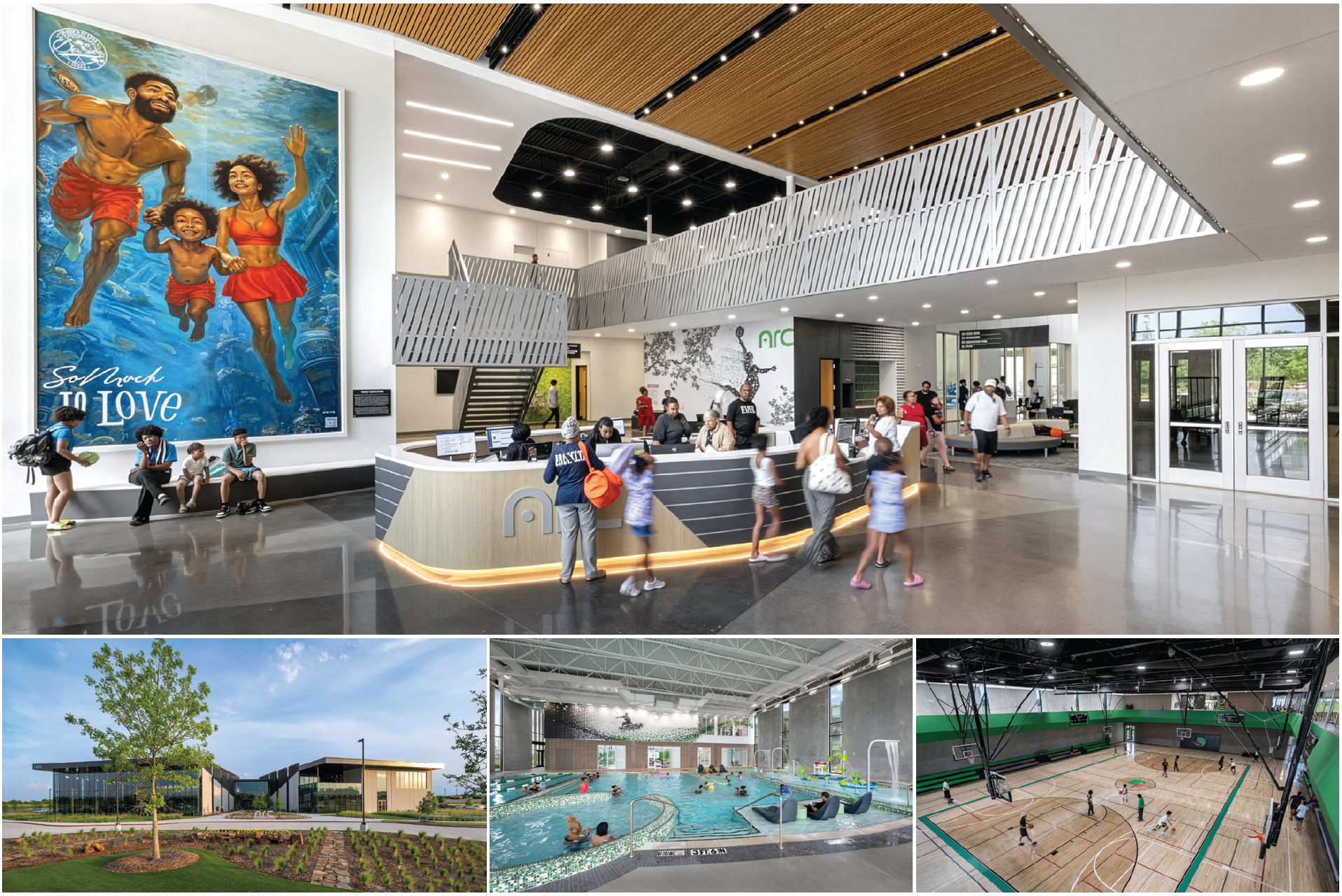
Communities engage in an amenities arms race for talent.
Medium-sized cities with affordability, outdoor amenities and high quality of life are winning the race for talent attraction in the post-pandemic economy, according to a firm that tracks the movement and growth of knowledge workers.
In its most recent Talent Attraction Scorecard, Moscow, Idaho-based Lightcast reports that “remote work has benefitted medium-large metros in particular, allowing workers to relocate for urban amenities even if they do not have local jobs. Remote work has also helped create new hubs for tech workers and creative knowledge-sector workers, such as Bend, Oregon, the No. 20 large metro for talent attraction, and Bozeman, Montana, the No. 8 mid-sized metro, where workers relocated for the combination of professional connections and access to nature.”
Josh Wright, executive vice president of growth at Lightcast, says, “When you look at big hubs for remote work like Boulder, Colorado, people want some land and want to get away from the big city. Investment follows people now, and increasingly quality of life is the factor persuading people to move. This is a boon for rural communities with affordable land and houses.”
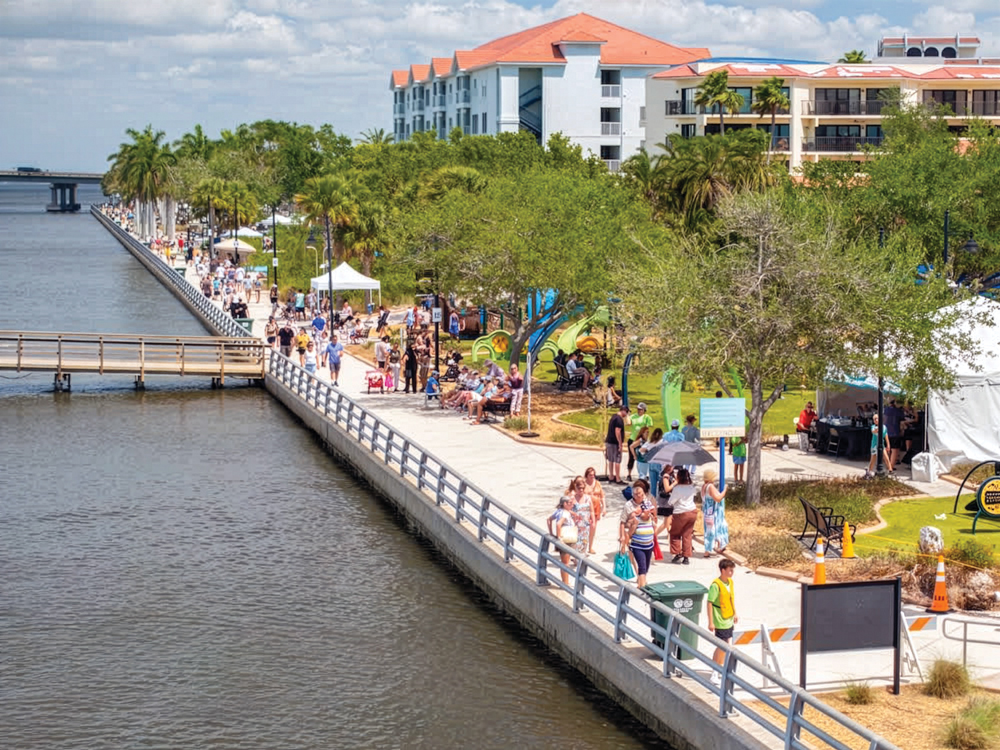
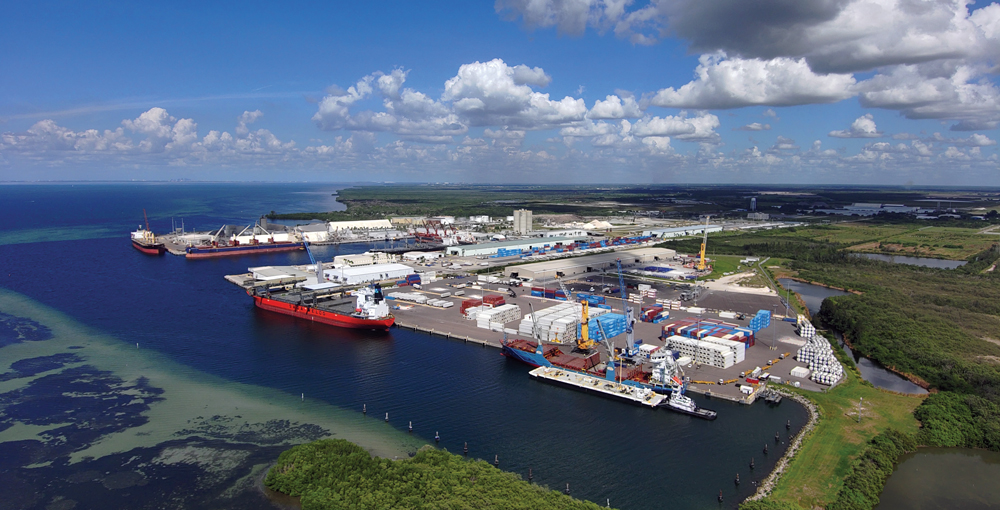
Florida ranks No. 1 in talent attraction, per Lightcast. For Manatee County in Southwest Florida, quality of life is one of the main drawing cards.
All photos courtesy of Bradenton Area EDC
This is bolstered by recent findings from the Weldon Cooper Center for Public Service at the University of Virginia. The fastest-growing areas of the Midwest for 25-to-44-year-olds are counties that have affordable housing, access to outdoor amenities, and a high density of manufacturing jobs, the Cooper Center finds.
Could it be that talent migration was the leading indicator all along? Wright says yes.
“A metro area with a high share of remote workers is correlated with prime-age in-migration, attracting the population that drives long-term regional competitiveness,” he says. “We see a correlation between quality of life and good rankings in our annual Talent Attraction Scorecard.”
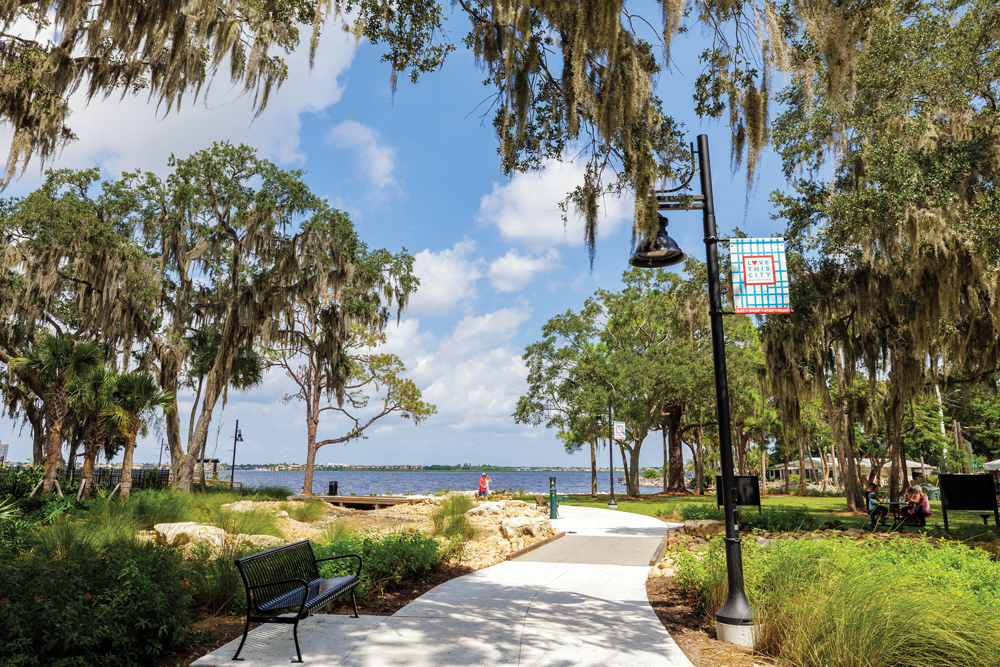
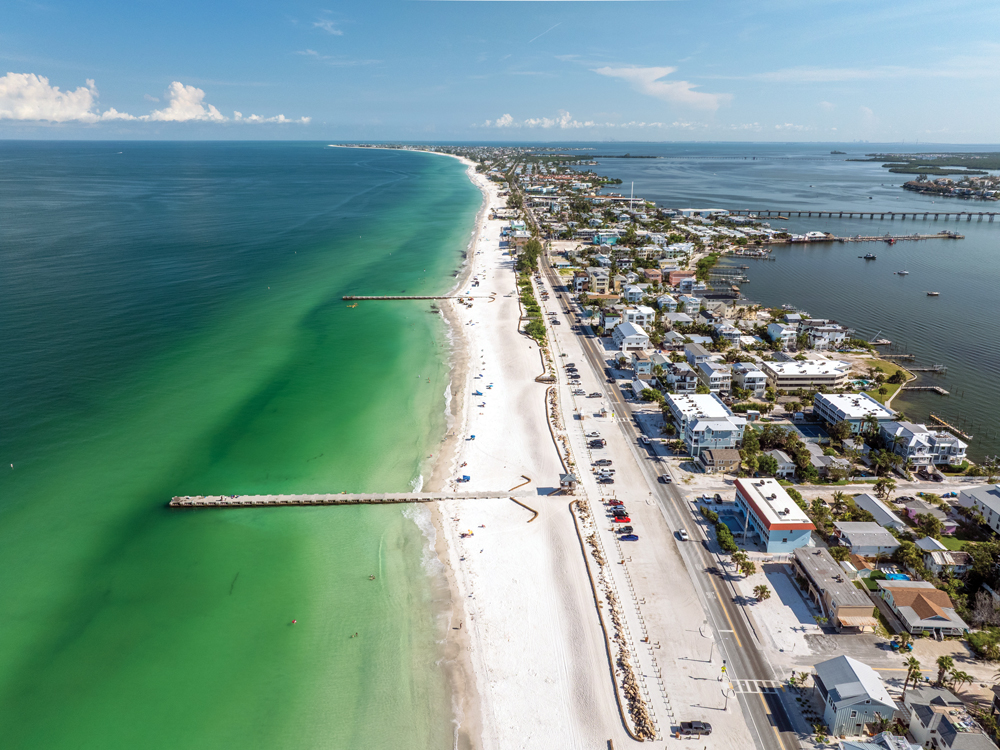
Florida, for example, has ranked No. 1 in talent attraction for the last two years, and quality of life plays a significant role in the Sunshine State’s attractiveness, says Wright. He adds that places out west like Boise and Bend are booming largely because they attract younger workers seeking an outdoor lifestyle and a safe place to raise kids.
“College towns, with their diversity of amenities, sporting activities and thriving downtowns, are hugely popular now because they’re seen as offering a high quality of life,” says Wright. “Having strong anchor institutions like schools and hospitals is a major contributor. The key is to make sure that as your city grows, it is able to maintain this appeal. As site selector Courtney Dunbar says, you have to take your growth and invest it. You need to tax the right way so that you can invest in the infrastructure you need to manage growth and benefit from it.”
Key Question: Will People Move Here?
Wright cites places that are doing just that: Topeka and Wichita, Kansas; Northwest Arkansas; and Rapid City, South Dakota. “Rapid City is a great place to be,” he says. “Yes, they have Mount Rushmore and the Black Hills, but they also have a lot of job opportunities. So do Idaho and Montana. Quality of life, affordability and outdoor amenities — these are the factors that drive talent attraction.”
Kornelia Kostka, research director at Global Location Strategies (GLS) in Greenville, South Carolina, agrees. When I asked her how GLS evaluates quality of life during a site search, she said, “Our approach focuses on factors that can directly influence a company’s ability to attract, recruit, relocate and retain talent over the long term. Rather than relying on a single quality-of-life score, we evaluate a broad set of measurable indicators that together describe how attractive and sustainable a community is for today’s workforce.”
Kostka says those factors include:
- Affordability and economic accessibility
- Health and environmental quality
- Mobility and commuting
- Housing availability
- K-12 education
- Safety
- Family support including childcare
- Community amenities, including cultural, entertainment and recreational opportunities
“Rather than asking, ‘Is this a nice place to live?’ we ask a more practical question: Will people be willing and able to build a career and a life here?” says Kostka. “The answer depends on whether housing is attainable, schools are strong, healthcare is accessible, commutes are manageable, childcare is available and the overall community supports long-term workforce stability. Collectively, these measures serve as leading indicators of a community’s ability to sustain a strong talent pipeline.”
“Today, it is all about your workforce strategy. You have to treat talent attraction and quality of life as inseparable.”
— Jennifer Rohen, Principal, CLA St. Louis
Kostka says the most successful locations score well in multiple metrics. “Markets like Greenville, Charlotte, Carmel/Fishers [Indiana], and the Dallas-Fort Worth metro area tend to combine several favorable characteristics rather than excelling in just one,” she adds. “They typically offer relatively affordable housing compared to peer markets, strong schools, growing labor markets, good healthcare access and robust economic opportunities. It’s the balance across many dimensions, rather than any single standout metric, that allows these communities to score well over time.”
Kostka notes, however, that high scores in quality of life cannot make up for deficiencies in other areas. “A location may offer an outstanding lifestyle but lack the workforce, supplier ecosystem or infrastructure needed for a specific operation,” she says. “Likewise, an excellent manufacturing location may not rank among the nation’s highest-rated places to live yet still be the optimal choice because of its labor pool, industrial ecosystem and operating costs. The best location ultimately depends on the business function and the company’s strategic priorities. Increasingly, however, quality of life serves as a direct indicator of a community’s ability to attract, develop and retain the talent that drives long-term business success.”
For HQ Projects, QOL is the Driver
King White, CEO of the Dallas-based Site Selection Group, says that the importance of quality of life (QOL) as a site selection factor depends on the type of project. “The QOL component is definitely most relevant for headquarters projects,” he says. “I would estimate that half of the mid-to-large-size HQ projects we work on are after a QOL change. They are either coming from high-cost areas where the QOL may be nice but not affordable, or they may be located in secondary markets that lack the QOL, which impacts C-suite executive recruiting ability and the ability to source IT talent or other specialty technical roles.” Generally, he says, clients tend to focus on these criteria:
- Flight accessibility (number of destinations and flights and cost of flights)
- Weather: “Sunbelt characteristics”
- Personal income taxes
- Housing quality and cost
- Affordability: “Clients are willing to pay more if coming from a secondary market”
- Sports — pro and college teams
“We don’t hear much about health or wellness issues,” White says. “I also think restaurants are always a talking point. The ‘food scene’ has become something they look at but don’t score. Headquarters projects, which are very active, are more focused on these issues than other project types.”
Jennifer Rohen, principal at CLA St. Louis, says, “In CLA’s Business Incentives Consulting practice, site selection frameworks include qualitative scoring that accounts for livability factors alongside financial incentives. Quality of life is just one of many factors. What we look for is talent attractiveness. Can you get experienced professionals there? We also evaluate housing affordability, family amenities, quality of local schools, and rankings for both public K-12 education and higher education.”
She says QOL varies in importance depending on project type. “In professional services, we are seeing talent becoming the primary location driver,” Rohen says. “Employees have more choices than ever before. Today, it is all about your workforce strategy. You have to treat talent attraction and quality of life as inseparable. The things that were true five years ago are still true today.”