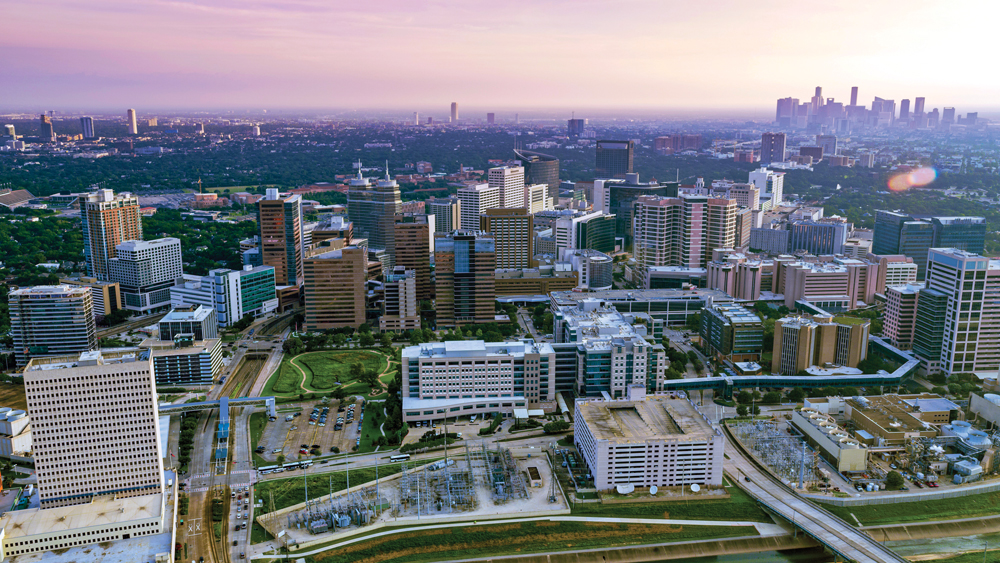
The Lone Star State’s medical and bioscience sectors see record-breaking investment.
Texas is no stranger when it comes to innovation in the life sciences and biotechnology. The biopharmaceutical industry in the state had a $95 billion economic output in 2024, with a footprint of nearly 130,000 individuals working across over 9,000 establishments in the biosciences in 2023. Texas bioscience companies also raised $8.7 billion in venture capital investment from 2019 to 2023 (fifth in the country) and NIH funding to Texas institutions was $1.8 billion in 2023, a percentage increase of 34% since 2019. Texas also has 16 Tier One research universities, and Texas schools spend more than $8.3 billion in total annual R&D expenditures. The state has over 2,600 biotech R&D firms, ranking second in the U.S for number of completed clinical trials (more than 24,000).
Rural Texas health care systems are also set to see a lift in investment thanks to $1.4 billion in federal dollars recently being awarded to rural hospitals throughout the state over the next five years, which will equal $281 million annually for the Texas Health and Human Services Commission. Announced in December 2025, the funding from the federal Rural Health Transformation Program will be used to invest in consumer-facing technology, deploying AI and telehealth services to bridge service gaps, recruit and retain rural health care workers, improve cybersecurity defenses to protect patient data and upgrade hospital and clinic equipment.
Houston Wins Big
One juggernaut project in the state exemplifying Texas’ strengths in life sciences-based manufacturing, R&D and operations is coming from Eli Lilly & Company. In September 2025, the American pharmaceutical company announced its intention to spend a hefty $6.5 billion in establishing an active pharmaceutical ingredient (API) manufacturing facility in Harris County, home to the Houston metro and over 5 million residents. The 1-million-sq.-ft. facility is expected to generate 600 new jobs and will be built on 236 acres in Generation Park, a Houston-based business park encompassing 4,300 acres.
“With this new chemical synthesis facility, we are expanding our vital advanced pharmaceutical capabilities in the U.S. and setting a new global benchmark for innovation and technical leadership in our industry,” said Edgardo Hernandez, executive vice president and president of Lilly Manufacturing Operations. “Additionally, we are committed to sustainability, being a responsible steward of natural resources and strengthening the communities where our employees live and work.”
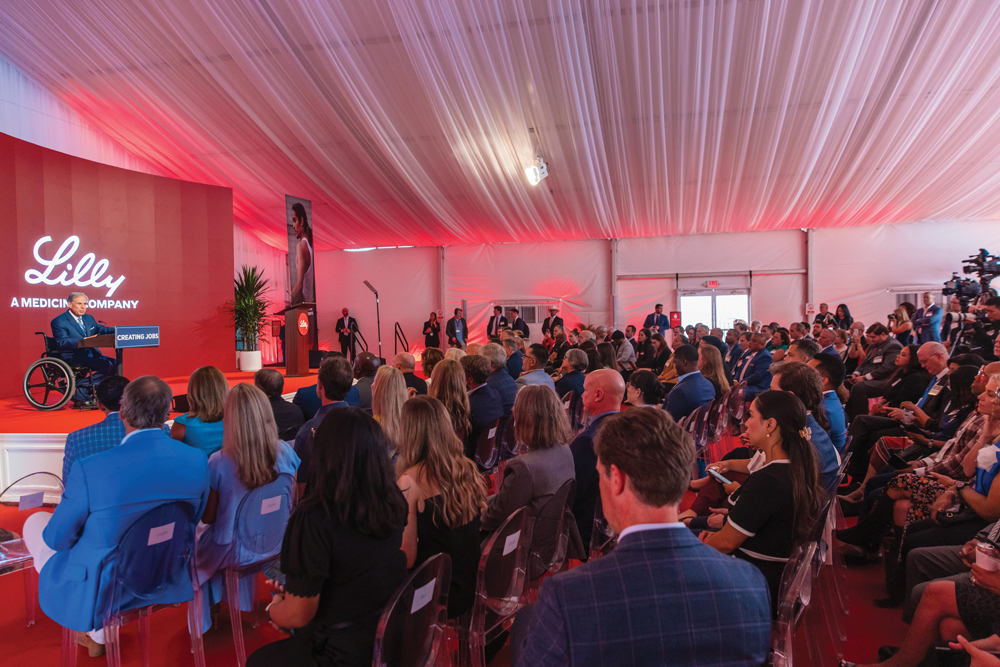
Indianapolis-based Eli Lilly & Company announced a record-breaking $6.5 billion investment in a Harris County pharmaceutical manufacturing site in Harris County, Texas, in late 2025.
Photo Courtesy of Eli Lilly & Company
The new site will manufacture small molecule synthetic medicines in the treatment areas of cardiometabolic health, oncology, immunology and neuroscience. It will also be a key producer of the company’s first oral, small molecule GLP-1 receptor agonist, orforglipron, for which Eli Lilly received FDA approval on April 1, 2026. The weight loss medication is the only GLP-1 that can be taken at any time of day without food or water restrictions and is Eli Lilly’s second FDA-approved medication to treat obesity.
Eli Lilly received a Texas Enterprise Fund grant of $5.5 million, and the Houston area project was approved under the Texas Jobs, Energy, Technology and Innovation (JETI) program. This is the second of four new pharmaceutical manufacturing projects in the U.S. announced by the company in the past couple years. Since 2020, Eli Lilly & Company has invested over $50 billion in expanding its domestic medicine production.
Science, Medicine and Biotech in Sugar Land
Southwest of Houston is the city of Sugar Land, which 20 biotech companies call home. The city’s strengthening life sciences and biotech sectors are boosted by proximity to Texas Medical Center, which has the world’s highest density of clinical facilities for patient care, biomedical sciences and translational research.
“Sugar Land’s location, just about 20 miles southwest of downtown Houston and the Texas Medical Center, is a major strategic advantage,” says Sugar Land’s Assistant Director of Economic Development and Tourism Alba Penate-Johnson. “It allows companies to leverage one of the largest and most advanced medical ecosystems in the world while operating in a more cost-effective, business-friendly environment. The Texas Medical Center anchors a global concentration of hospitals, research institutions and clinical trials, which creates a strong pipeline for talent, innovation and partnerships. For life sciences companies in Sugar Land, that proximity means easier access to research collaborations, commercialization pathways and a highly skilled workforce. At the same time, Sugar Land offers the space to scale, whether that’s for lab, manufacturing or office uses, making it an ideal location for companies moving from research into production and growth phases.”
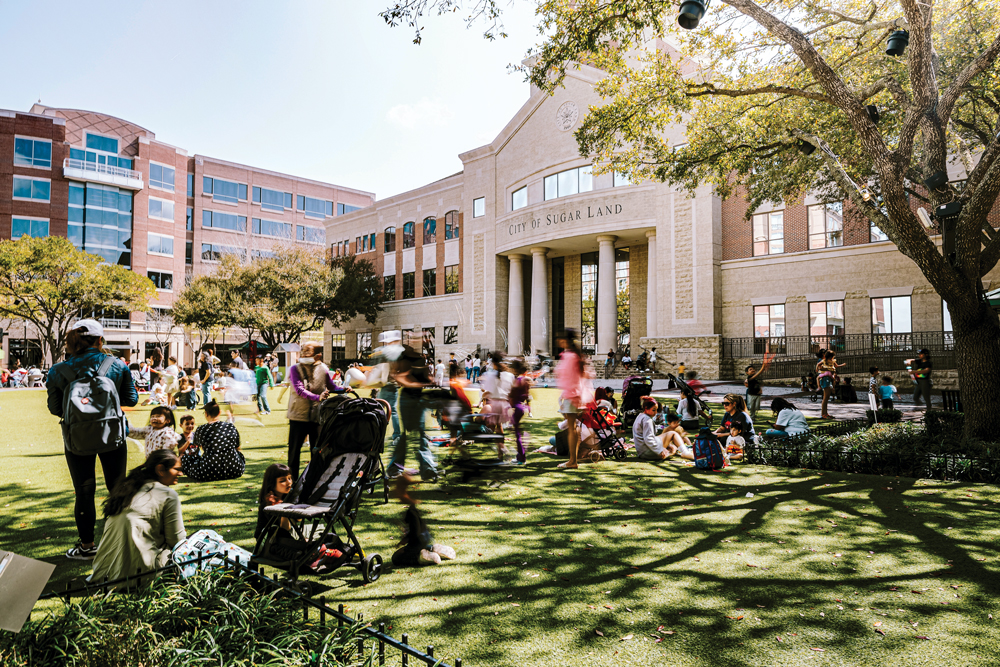
Growing biotech and life science cluster Sugar Land offers a great quality of life for residents and workers.
Photo courtesy of City of Sugar Land Economic Development
Several medical companies have chosen Sugar Land, including Neutra Corp subsidiary VIVIS, British biotech company Abbexa, Bluebonnet Nutrition, surgical instrument organization Ternio Group, clinical-stage biopharmaceutical company Tvardi Therapeutics, and NanoInnovations, which develops nanosensors for health care-related monitoring and diagnostics. These entities benefit from the area’s highly educated skilled workforce, affordable costs and a pro-business culture.
The city of Sugar Land is also securing business through a targeted, performance-based approach to incentives. Penate-Johnson mentions the Sugar Land Starts Innovation Fund, which is designed to attract high-growth companies in sectors like life sciences, advanced manufacturing and technology.
“The program provides performance-based grants tied to job creation and long-term investment, helping companies scale while activating existing office space,” she says. “We’ve also successfully supported existing companies. For instance, the city recently awarded a $1 million performance-based incentive to Hope Biosciences to support its expansion, helping retain high-quality jobs, advance cutting-edge therapies and strengthen our life sciences ecosystem. What makes our approach effective is that incentives are strategic and flexible. We’ve adjusted thresholds to better align with the needs of emerging biotech firms, making it easier for innovative companies to grow and relocate here.”
In 2024, the biopharmaceutical
industry in Texas had an
economic output of $95 billion.
Two international airports in Houston, George Bush Intercontinental Airport to the north and William P. Hobby Airport in downtown, grant Sugar Land and its businesses accessibility to many markets. The city also ranks highly in safety (No. 10 on Forbes’ 2023 Safest Cities in the U.S. with a population over 100,000), good schools and a stack of amenities including parks, trails, recreational facilities and dining and entertainment options. The Smart Financial Centre performance venue hosts national music tours, comedy shows, theater and several family and cultural events. Sugar Land’s Constellation Field can seat up to 7,500 baseball fans. Plus, there is plenty to do in the 32-acre downtown area, the Sugar Land Town Square, for those visiting or making the city their home.
“Sugar Land offers a high quality of life that is a major competitive advantage for business attraction and talent retention,” says Penate-Johnson. “We’re a master-planned community known for top-rated schools, safe neighborhoods and a highly educated population — over 60% of residents hold a bachelor’s degree or higher. For companies, that translates into a place where employees want to live, not just work, which is increasingly critical in attracting top talent.”
A Conversation with Hope Biosciences CEO Donna Chang
Can you give a brief overview of the research you do and services you provide? Are there any future services or work you would like to discuss?
DONNA CHANG: Hope Biosciences, headquartered in Sugar Land, Texas, is a leading cGMP compliant biopharmaceutical research and manufacturing company delivering safe, effective and affordable stem cell solutions for degenerative and chronic conditions. Hope Bio is the only clinical-grade facility in the nation offering private banking services for both adults and newborns from around the world.
Hope Bio uses proprietary technology to culture and expand mesenchymal stem cells, a type of adult stem cell found in many tissues in the body and in the placenta of newborns, to unprecedented volume and levels of viability. To date, Hope Bio’s cells have been put to work in nearly 50 FDA-authorized protocols for conditions and diseases currently considered “incurable” and affecting substantial portions of the American population, including two U.S. Department of Defense-supported clinical trials.
Research using Hope Bio’s investigational therapeutics continues today at independent clinical research organizations, in hospitals and at academic institutions. Research making news most recently includes work in Parkinson’s disease, multiple sclerosis and brain injury, among others.
Why was the Sugar Land area chosen to locate your company, and has it given any kind of advantage to Hope Biosciences’ operations and growth?
CHANG: Use of Hope Biosciences’ technology continues to grow significantly, but it all started here; within the last year, we made Sugar Land our permanent home when we purchased our building. The city has supported us at every stage, and their continued commitment reinforces our deeply held belief that Sugar Land is the ideal place to grow a company like ours. We value the city’s fiscal support, business-friendly laws and proximity to Texas Medical Center in Houston, the largest medical complex in the world. There are multiple international and regional airports within an hour’s drive, making it easy for patients to reach us.
We appreciate what the wider community offers to attract top team members — Sugar Land is a wonderful, accessible place to raise a family, with schools, arts and culture, sports complexes, entertainment and much more all readily available. We see vibrant expansion in the world of cell and gene therapy, and Sugar Land has all the elements to attract more companies pursuing innovative work. Hope Bio’s progress is only the beginning for this industry in this community.
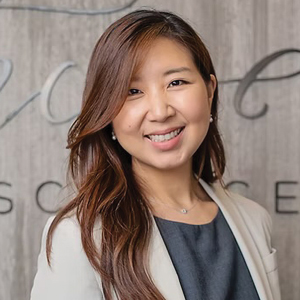
“The city has supported us at every stage, and their continued commitment reinforces our deeply held belief that Sugar Land is the ideal place to grow a company like ours.”
— Donna Chang, CEO, Hope Biosciences
How has the company evolved in the last 10 years? Where do you see Hope Biosciences in five years, and how does it plan to evolve in response to industry changes?
CHANG: Hope Biosciences celebrates our 10th anniversary this year. Every growth stage — including technological developments and the research we pursue to both serve people and continue to drive advancement — is directly motivated by community and industry need. We are a “patient first” organization that works daily in the space where biotechnology meets real people, with real health care needs. We remain grateful to Sugar Land for supporting us from the beginning and are excited to discover what the next five years bring. — Kelly Barraza