What is moving people to go outside?
About 60% of people in the U.S. participate in outdoor recreation, according to the 2026 Outdoor Participation Report from the Outdoor Industry Association (OIA). The popularity of outdoor recreation is helped by the fact that it comprises high value and often low-cost activities, according to OIA’s Director of Research Kelly Davis.
“Americans are outside for a variety of reasons, but one underlying trend is the search for authenticity,” writes Davis in an email exchange. “Hiking a trail, spending a night outdoors, catching your first trout on a fly line are authentic experiences that no screen, no simulator, no social media influencer can replicate for you. Americans are looking for happiness outdoors and they don’t have a lot of cash — and sometimes a hike or a bike ride do the trick and that will continue to engage Americans who are already outdoors, and maybe even bring a few more into the fold.”
The Outdoor Economy
From a business perspective, outdoor recreation is lucrative. In 2025, the outdoor recreation industry in the U.S. supported more than five million jobs, contributed 2.4% of the country’s GDP and produced $1.3 trillion in economic output, according to the U.S. Bureau of Economic Analysis.
Corporate headquarters also often place and design their offices so that people can connect to nature. One historic example showcasing this approach is Nike, which acquired the first 75-acre parcel north of its offices in Beaverton, Oregon, for $5.5 million in 1984 in an all-cash transaction. The global headquarters eventually became what it is today — a vast expanse comprising over 400 acres with an integrated network of more than 75 buildings, running trails, sporting fields, an 11-lane pool and 30-ft.-high rock-climbing wall. It takes at least 15 minutes to walk from one end of the campus to the other. At the center of the Nike HQ site, initially designed in the 1980s to mimic the design of a college quad as opposed to a corporate office park, is manmade “Lake Nike.” Buildings are named after famous athletes affiliated with the company, including Oregon long-distance runner Steve Prefontaine, tennis icon Serena Williams and Michael Jordan (whose $2.5 million partnership with Nike in 1984 created the Air Jordan brand, worth billions today).
In the south-central U.S., Walmart’s Bentonville headquarters in Arkansas taps into the nearby Ozarks, and the company’s campus redesign in 2025 was guided by a nature-focused philosophy. Sporting goods retailer Bass Pro Shops has its HQ in Springfield, Missouri, next to the Johnny Morris Wonders of Wildlife Museum & Aquarium, started by and named after the company’s founder. The museum features wildlife galleries, historic artifacts and exhibits centered around nature and outdoor culture.
“More people are joining the fun in the great outdoors,” writes Davis. “In the United States, people care about where they play outside, whether that activity includes camping, fishing, climbing or a number of other things.”
According to OIA’s 2025 industry report, road running (52.3 million participants) was the second most popular outdoor activity in the U.S., followed by freshwater fishing in third with 42.6 million recorded participants. What are the traditional barriers to outdoor activities? Transportation, safety, cost and lack of information on how to engage in recreation, says Davis. Another obstruction to playing outdoors is having “nobody to go with,” she adds.
Take a Hike
Hiking has risen in popularity each year since 2012, gaining about 15 million new hikers from 2012 to 2019. This growth accelerated in 2020 with the COVID-19 pandemic. Between 2019 and 2025, another 13.9 million Americans took up hiking.
“Our new hikers who have joined since the pandemic have stayed and continued hiking — some hiking significantly more often as the years progress,” writes Davis, who goes on to explain that the ease and healthiness of hiking, and its accessibility and community-based components, makes the activity the most popular hobby people pursue outside. In 2025, 63.5 million people were recorded as participating in hikes, according to research commissioned by the OIA and data provided by the Physical Activity Council.
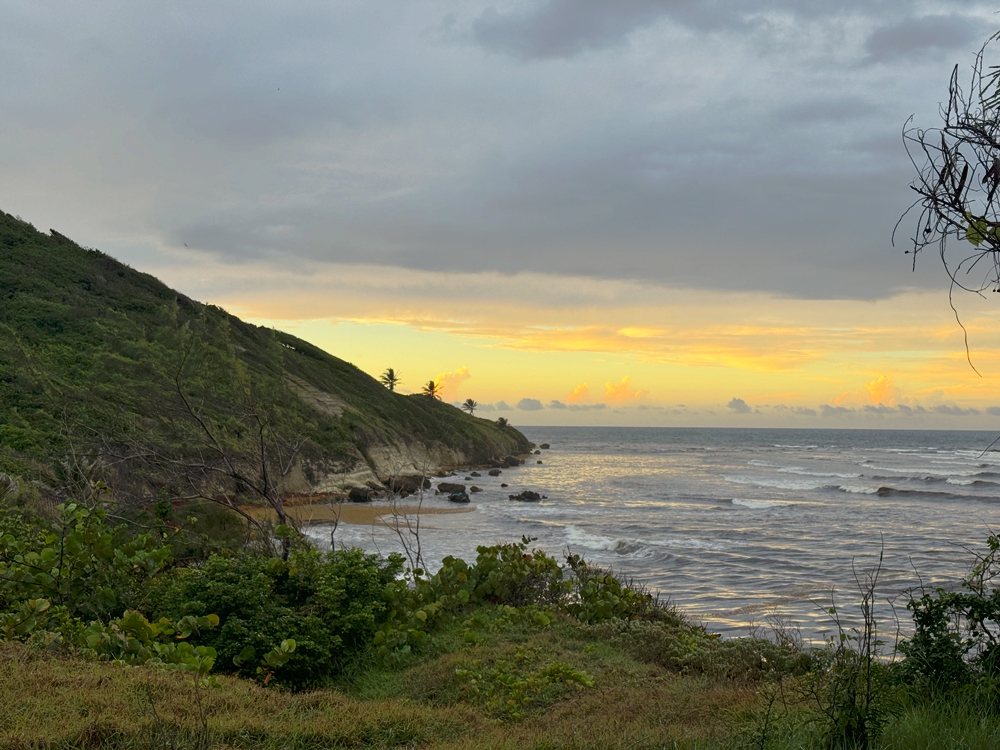
Hiking is global in scope. In TIME’s list of 100 Most Influential Companies of 2026, hiking guide app AllTrails was recognized as helping recreationists plan hikes and find information for over 500,000 trails all over the planet. The company had 95 million users in March 2026, up from 10 million in 2019. The AllTrails app proved useful for an over 10-mile jaunt I hiked in Barbados in late July — an all-day adventure that meant stunning coastal views, jungle and rural town exploration and a pensive traipse through a sugar cane field.
Years Past and Years to Come
In terms of average annual growth (AAG) measured from 2020 to 2025, trail running was the top outdoor activity recorded by OIA’s data with an AAG of 7.8%. Climbing for sport and bouldering (7.1%), horseback riding (5.9%) and rafting (5%) were other top growing activities recorded for that period. Target shooting by rifle or handgun, RV camping and backpacking overnight all saw losses in participation growth over the past five years.
There are also findings that suggest people may be approaching outdoor hobbies less frequently despite higher overall participation. The same OIA report indicating 2025 saw record levels of participation in outdoor activities also saw a more casual approach to going out — despite more outdoor recreation participants recorded in 2025, the average person makes about five fewer outings per year than what was recorded in 2019.
Still, seniors and children are holding down the camp. The 65-and-older age group in the U.S. added 800,000 outdoor recreation participants last year and has grown by 12.1 million in the last decade. Hiking, birding, wildlife viewing and freshwater fishing are the top outdoor activities in this age group. Among children ages 6 to 12, participation in outdoor recreation grew by 5% to 22.6 million in the U.S. Two-thirds of households with children report outdoor recreation participation.
Davis remains optimistic that current outdoor recreation enthusiasts might participate more in years to come, speculating that it “would have significant impacts on outdoor market bottom lines, Americans’ health, and policy issues that impact public lands and green spaces right in our communities. People protect what they care about, especially when it is close to home and affects their children.”
This summer, the America the Beautiful Act (HR 9250) was up for Congressional vote after its introduction last year. The legislation maintains and expands the National Parks and Public Land Legacy Restoration Fund created by the Great American Outdoors Act signed into law in 2020. The America the Beautiful Act would earmark $1.9 billion for U.S. national parks, public lands and Bureau of Indian Education facilities over the next five years.
Some of the over 180 organizations endorsing the bill include the Grand Canyon Conservancy, GU Energy Labs, Booz Allen Hamilton, REI Co-Op and Pew Charitable Trust.