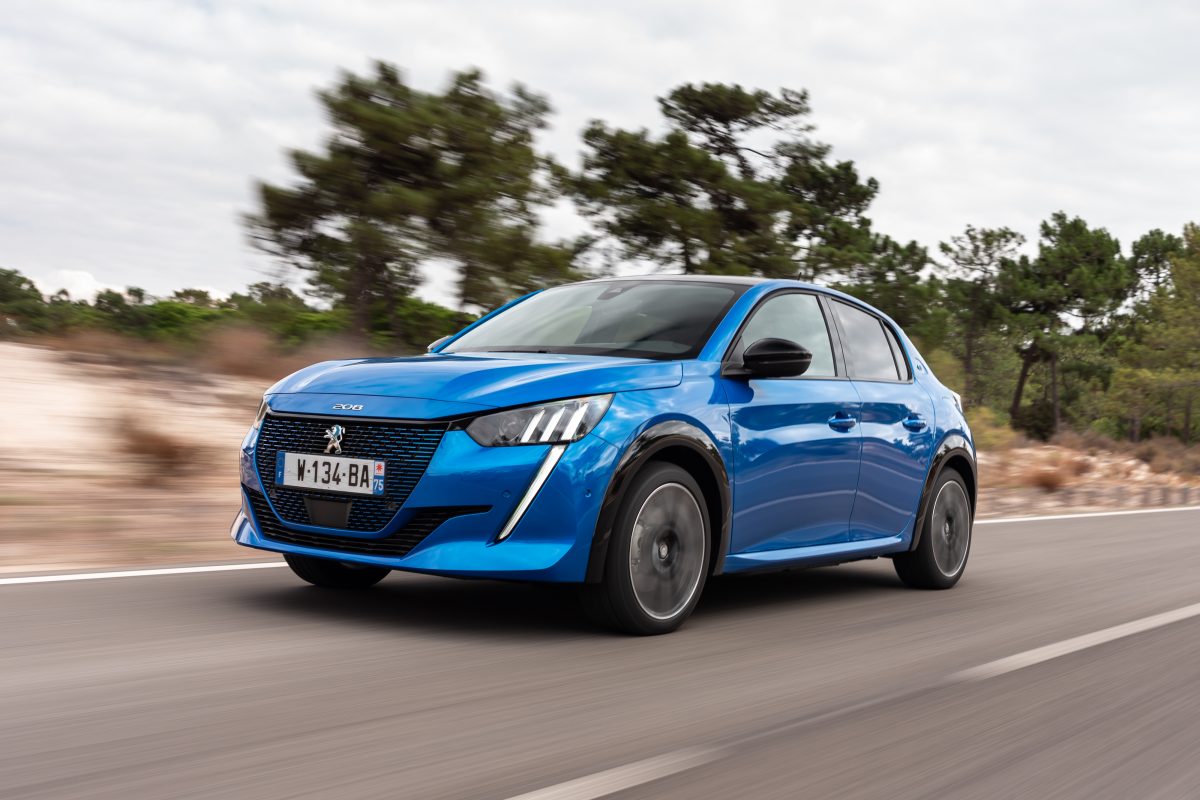
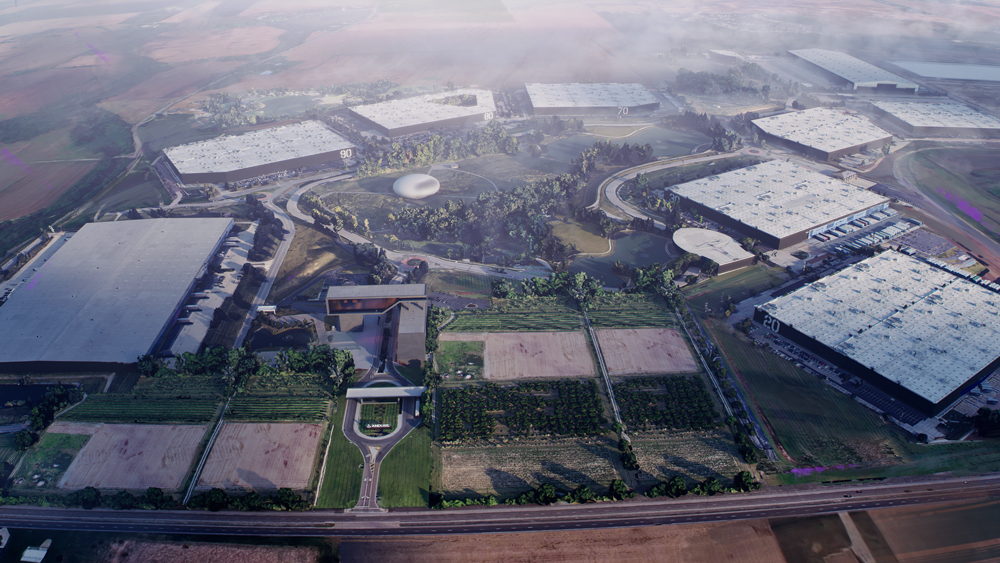
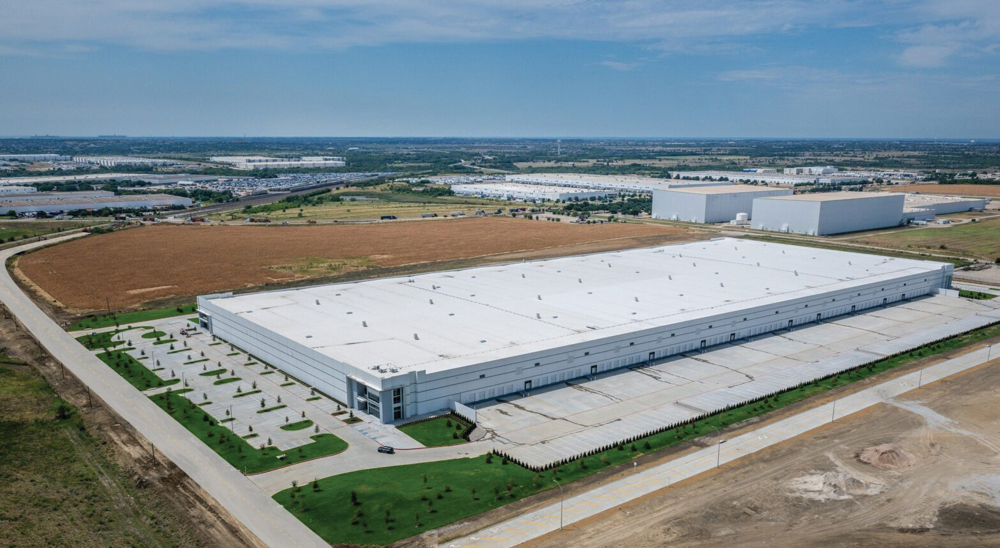
Stellantis is investing over $1.1 billion for the production of three new Peugeot models of hybrid cars in a town 300 miles southeast of Paris near the Swiss border. Washington-based Janicki Industries falls for Great Falls. Urban Outfitters invests at its Navy Yard HQ in Philadelphia as well as a new site in Falls Township for its apparel rental brand Nuuly.
Who’s atop the Heritage Foundation’s 2026 Index of Economic Freedom? Celltrion expands South Korean biopharmaceutical operations. TikTok will build a second Finnish data center. National Oilwell Varco increases manufacturing capacity in Brazil. Mercedes- Benz grows in the Czech Republic. Roche opens a new Swiss research facility.
The Great Lakes region sees depth in investments and economy. And in a Great Lakes extra, “Preserving the Priceless,” we pay a visit to the National Museum of the Great Lakes in Toledo.
Defense manufacturing investments reshape America’s industrial base. (For more, see the recent Site Selection Online Insider, “Resourcing Our Army at the Speed of Capitalism,” contributed by Assistant Secretary of the Army [Financial Management & Comptroller] Marc E. Andersen.)
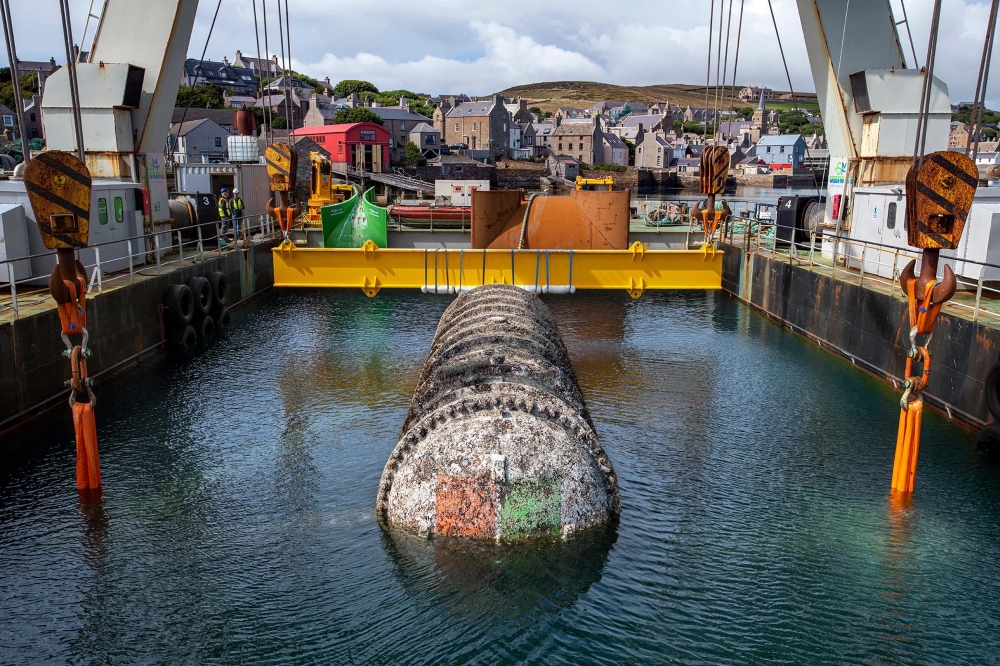
Microsoft’s Project Natick team retrieved its Northern Isles data center from the sea floor off Scotland’s Orkney Islands in 2020 and towed it to a dock in Stromness.
Photo by Jonathan Banks courtesy of Microsoft
Recent reports have highlighted the underwater data center infrastructure in China at projects such as the Hainan Commercial Project near Lingshui, Hainan Province and the $226 million Shanghai Lin-gang Facility six miles off the coast of Shanghai. The concept was explored years ago by Microsoft via Project Natick, the subsea data center pilot program in Scotland that Site Selection explored in 2018 in “Data Centers Straining the Grid? Alternatives Lurk Underwater.”
The submerged data center was retrieved in 2020. Among the conclusions reached from the evidence was the finding that underwater data center servers are eight times more reliable than those on land. Even more intriguing in this era of hyperscale facilities was the finding that the submerged unit ran reliably on 100% solar, wind and experimental green energy technologies.
“We have been able to run really well on what most land-based data centers consider an unreliable grid,” said Spencer Fowers, a principal member of technical staff for Microsoft’s Special Projects research group, in a September 2020 Microsoft release. “We are hopeful that we can look at our findings and say maybe we don’t need to have quite as much infrastructure focused on power and reliability.”
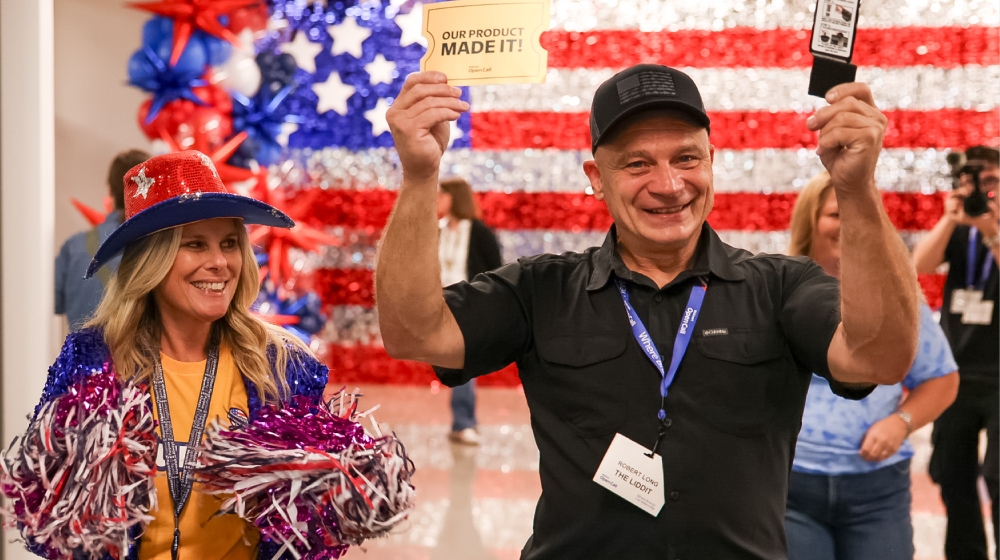
Indiana butcher and inventor Robert Long, creator of The Liddit to hold your crockpot lid, was one of more than 100 Golden Ticket winners at Walmart’s 2025 Open Call event in Bentonville, Arkansas.
Photo courtesy of Walmart
Walmart’s annual Open Call event takes place October 6-7, 2026 in its hometown of Bentonville, Arkansas. But first comes the Road to Open Call, a series of events from April 9 through June 23 in eight cities that give entrepreneurs the opportunity to pitch their American-made, shelf-ready products at sessions in Los Angeles, New Orleans, Dallas, Orlando, Baltimore, Indianapolis, Salt Lake City and Atlanta in order to potentially advance to the big show in Arkansas.
In a release prior to last Thursday’s event in Indianapolis, Indy Chamber Chief Talent & Marketing Officer Blaine Zimmerman said of the tour stop, “Small businesses are a driving force behind the Indy region’s economy, and opportunities like Road to Open Call help connect local entrepreneurs to pathways for growth that might otherwise seem out of reach.”
Walmart has committed to spend $350 billion on products made, grown or assembled in U.S. by 2030, helping to support more than 750,000 U.S. jobs. “As of the end of last year, Walmart increased cumulative U.S. spend by $176 billion toward its $350 billion goal, and about two-thirds of Walmart U.S. product spend was on goods suppliers reported were sourced domestically,” the retailer says.
At last year’s 12th annual Open Call, over 100 entrepreneurs received “Golden Tickets,” including, for the first time, companies that presented technologies to boost U.S. manufacturing efficiency.
PHOTO OF THE DAY
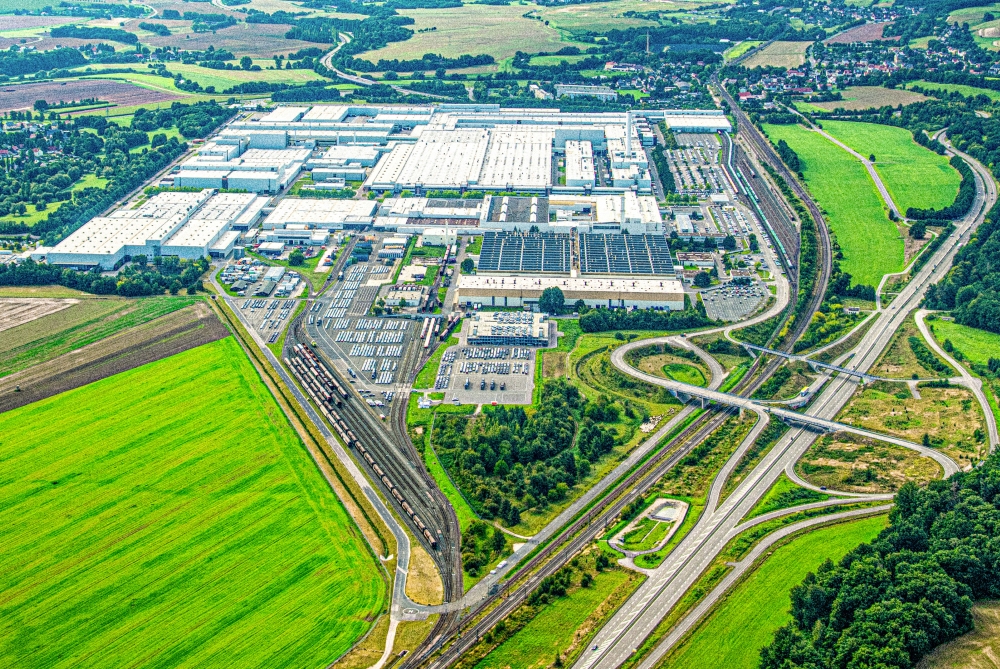
Photo courtesy of Volkswagen AG
Volkswagen Group’s largest and most efficient electric vehicle plant in Europe is located in Zwickau, Saxony, Germany. “Since the start of 2022, six electric models have been produced in Zwickau by three Group brands,” the company says. “As the world’s first volume manufacturer ever, Volkswagen successfully converted an entire plant from combustion engine-based to electric mobility in just 26 months.”
The conversion took an investment of more than €1.2 billion and was completed in 2022. In January of this year VW announced that the site would take on the role of central competence center for the circular economy. Volkswagen plans to invest a total of up to €90 million at the site over the next few years. The Free State of Saxony is funding the overall project with up to €10.7 million. “In addition to its central function, Zwickau will initially start with the systematic disassembly of vehicles to recover valuable raw materials and reuse components,” VW announced. “A gradual increase in capacity to 15,000 vehicles per year is planned by 2030.”