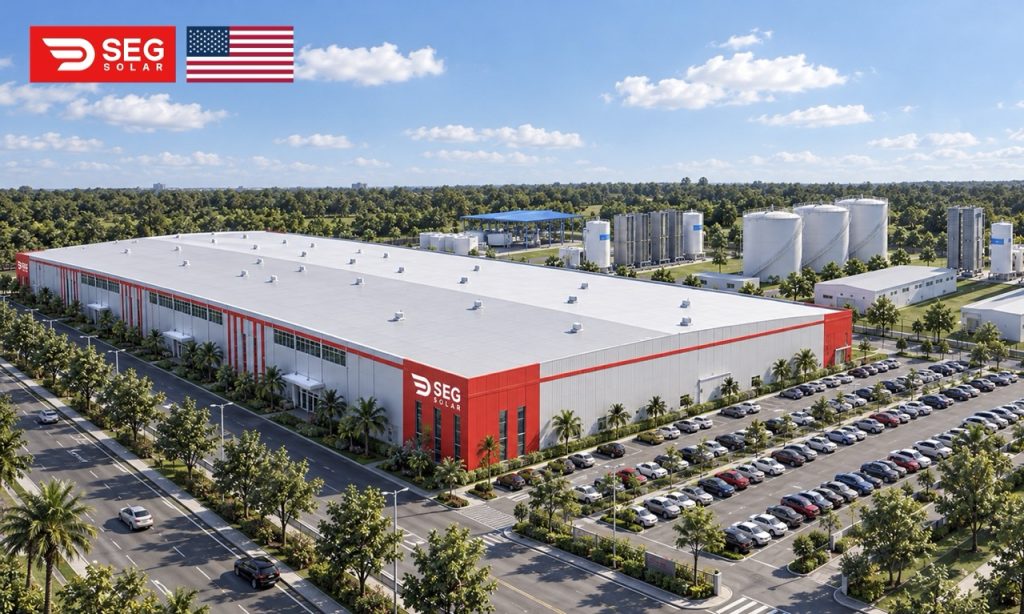
Houston-based SEG Solar’s Tomball Industrial Campus will move to become one of the only U.S. manufacturing operations where heterojunction (HJT) solar cells, modules and key components are produced under one roof. Celebrating 50 years of making motorcycles in Brazil, Honda recently announced an over $583 million investment to expand production capacity in Manaus, scaling to manufacture 2.3 million motorcycles per year by 2029. Pfizer will invest $650 million to construct a new Manufacturing Technology Center at R&D campus in Groton, Connecticut.
“The race to commercialize fusion has stopped being a physics problem and become a real estate story,” writes Hyphen Strategies Founder and Principal Consultant Devin Hillsdon-Smith in an exclusive contribution to Site Selection. “The winning sites look surprisingly familiar, and the window to compete is now.”
Then, in “Japanese Fusion Firm Selects Tennessee,” read Ron Starner’s online-only report featuring his conversation with the president of Kyoto Fusioneering America about the company’s choice of Oak Ridge for a $47 million HQ and testing site.
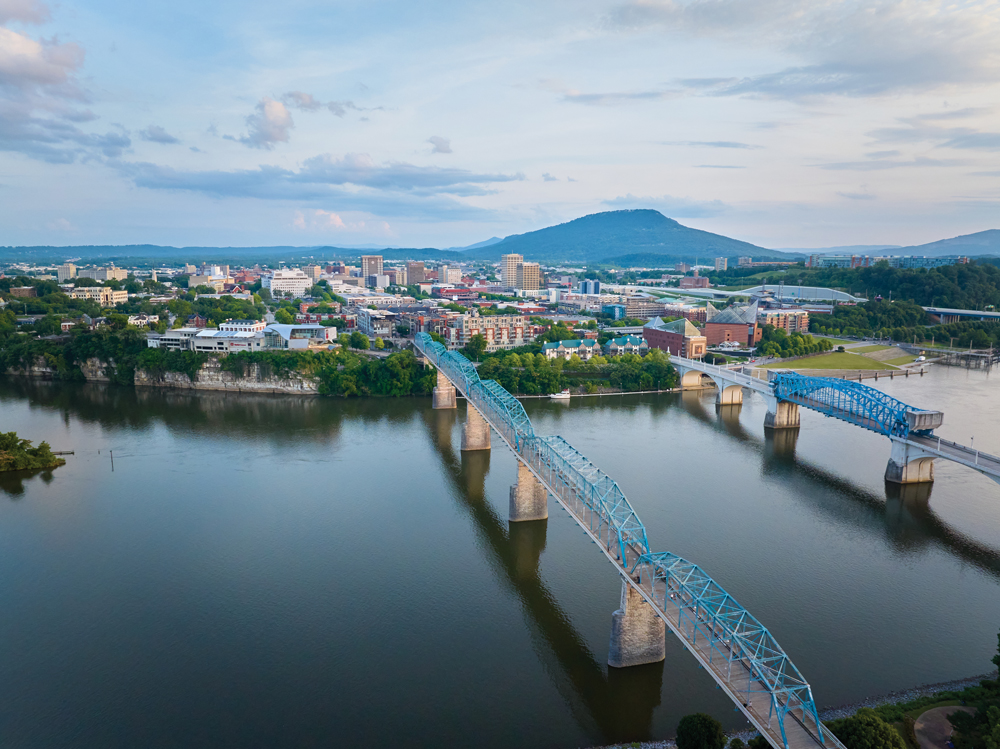
In another exclusive, Tim Bartik and Katie Bolter from the W.E. Upjohn Institute for Employment Research share research from Chattanooga that shows how workforce development can strengthen the connection between business incentives and opportunity for local residents.
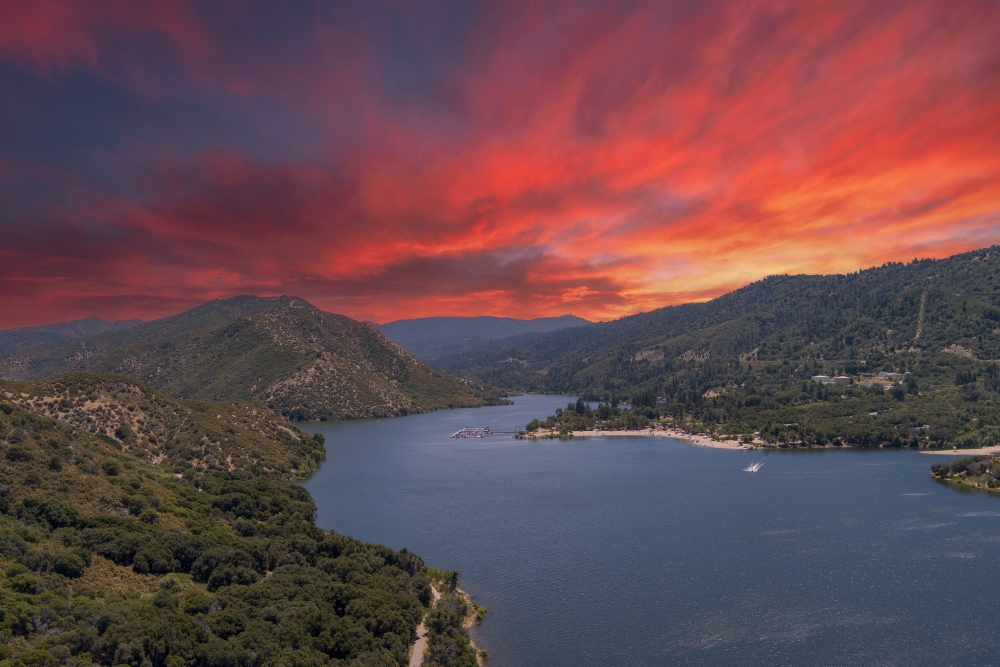
Silverwood Lake in Hesperia, California
June 2026 photo by Marcus Jones: Getty Images
Site Selection readers familiar with the publication’s annual Sustainability Rankings know the depth and breadth of data from rankings partner Measurabl, the San Diego-based company that created what it calls “the world’s most widely adopted sustainability data management platform for real estate”: over 1,000 organizations across 97 countries, representing more than $6 trillion in assets under management and more than 28 billion sq. ft. of real estate tracked. The organization earlier this year partnered with USGBC California to launch the California Building Performance Pulse, a dashboard that combines energy, carbon and water usage insights and tracks more than 1.3 billion sq. ft. of floor space across six years of utility reporting for buildings in California, the state ranked No. 1 in Site Selection’s July 2026 Sustainability Rankings.
The tool allows sorting by a number of different parameters, including energy use intensity (EUI) by city. Overall, across all real estate types, Victorville, Hesperia and Bakersfield have the lowest EUI. The cities, known for their logistics industry footprint, also score well across carbon and water usage metrics, and are part of the High Desert region showcased in this just-published Investment Profile about San Bernardino County.
A flurry of announcements early this year from AbbVie, DMG Mori, CSL, Hyundai Translead and Mars Snacking confirms that when it comes to advanced manufacturing, Illinois is a juggernaut.
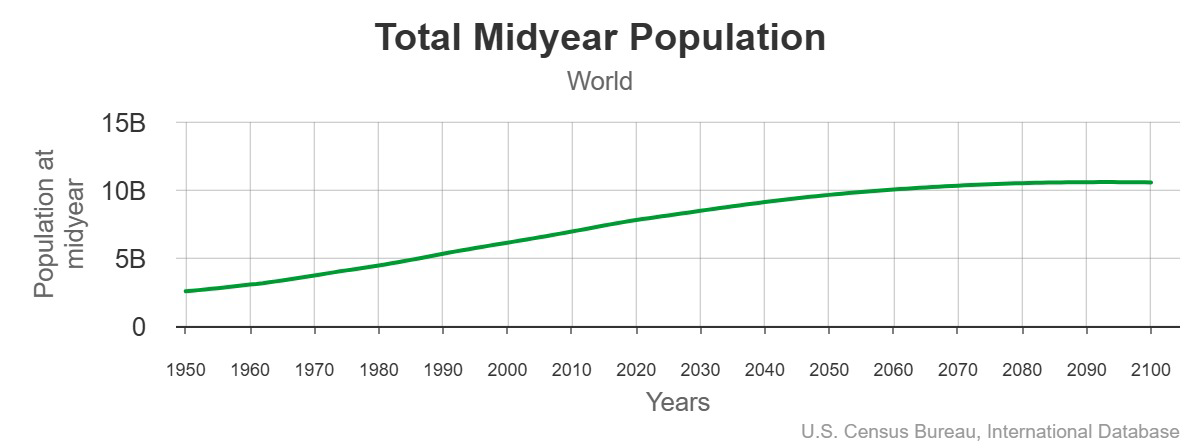
The world’s population stood at 8.2 billion as of mid-year.
An update by the U.S. Census Bureau to the International Database (IDB) includes new population estimates, projections and other demographic data up to the year 2100 for 25 countries and areas, as well as data for 16,638 subnational areas similar to U.S. states, counties and townships around the world, along with enhanced mapping features.
The IDB’s uses include working-age demographic analysis. Looking to map the dependency ratio of Vietnam’s 63 subnational areas? The IDB shows that the lowest ratios of people ages 0-14 and 65 and over to people ages 15-64 are in Bình Dương and Ho Chi Minh.
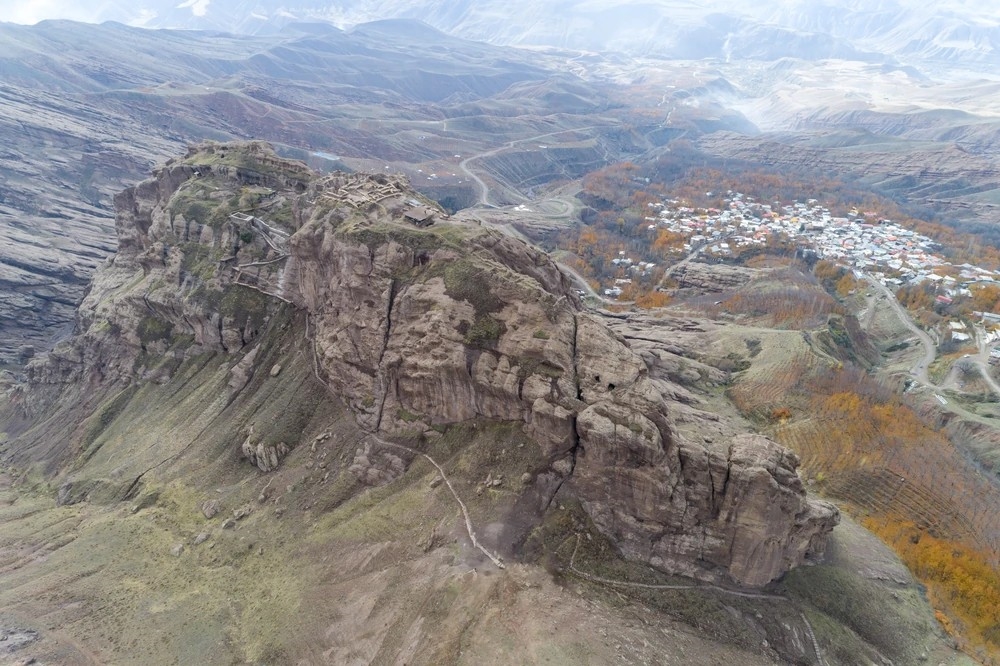
While the Okefenokee Swamp in Georgia got the lion’s share of attention earlier this year among the newly inscribed UNESCO World Heritage sites, there were a couple dozen others, including Alamūt Castle and Related Fortifications, a serial property consisting of Alamūt Castle and six associated fortifications — Lambesar, Navizaršāh, Šams Kelāyeh, Qosṭinlār, Širkūh and Ilān — situated in the Alborz Mountains in Qazvin Province, northern Iran.
“From the late 11th century CE, Alamūt served as the political, military, and intellectual center of the Nezāri Ismaʿilis, an influential Islamic movement whose reach extended across Iran and the wider Islamic world,” the UNESCO inscription states. “This fortified network functioned both as a refuge and as a scholarly and cultural hub, sustaining the Nezāri community until the fall of Alamūt in 1256 and continuing to shape regional religious and intellectual history long thereafter.”